



Finding the right wholesale blank apparel suppliers is one of the first—and most important—hurdles for any custom apparel brand using DTF transfers. This isn't just about getting a good price on t-shirts. It’s about building a partnership that guarantees the fabric, fit, and feel of your final product are always on point.
Get this wrong, and you're in for a world of headaches. Get it right, and your supplier relationship becomes the backbone of your brand's reputation and profitability.
Building a Reliable Apparel Supply Chain
Let's be clear: choosing a supplier is way more than just sourcing cheap blanks. It's the very foundation of your entire production process. A great partner delivers consistency. That means the tees you order today will have the exact same color, cut, and feel as the ones you order six months from now. That kind of reliability is what builds customer trust and keeps your return rate low.
For those of us in the DTF (Direct-to-Film) game, the stakes are even higher. The quality of the blank garment has a massive impact on how your print looks, feels, and holds up over time. A cheap shirt with an uneven weave or a weird chemical coating can cause your transfers to peel, crack, or fade. That's a quick way to damage your brand's credibility.
The Foundation of a Strong Partnership
A solid supplier relationship just makes everything smoother. When you know your blanks will show up on time and exactly as expected, you can stop worrying about inventory and start focusing on what you do best—creating killer designs.
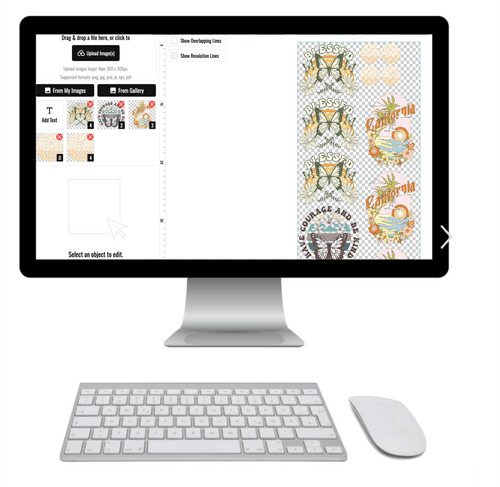
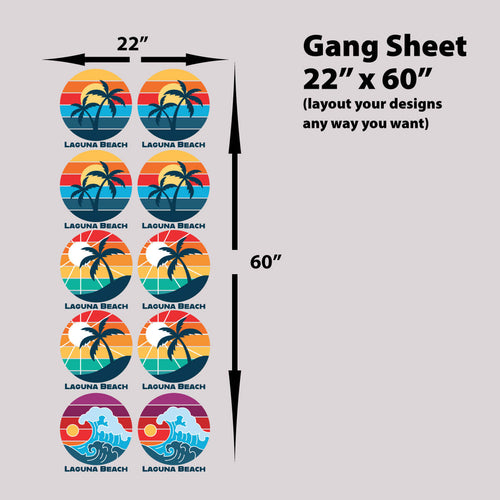
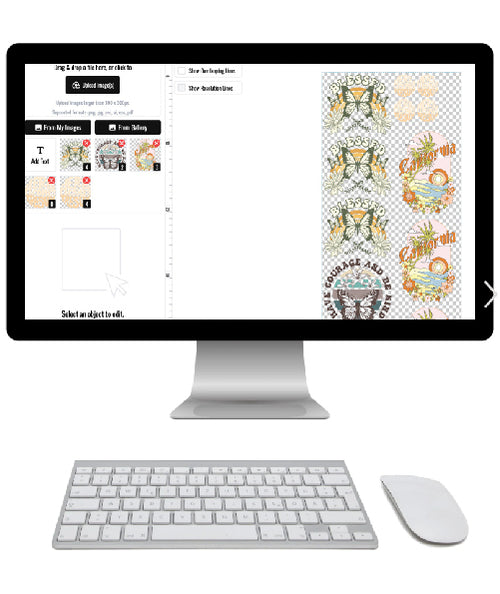
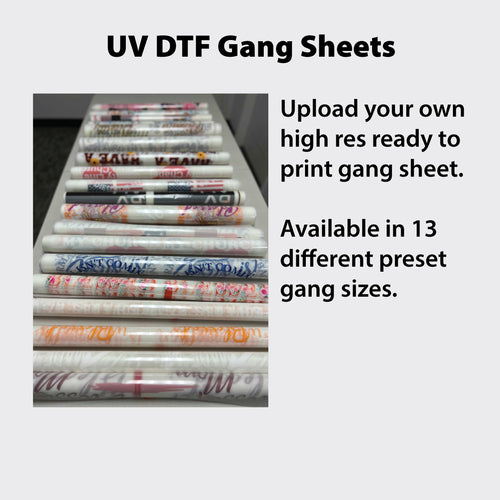
This is where the whole system clicks into place. For example, our Auto-build gang sheet builder is designed to save you time and money by quickly arranging your designs for cost-effectiveness. But that efficiency boost only really works if you have a steady stream of high-quality, DTF-ready apparel waiting to be pressed.
A dependable supplier doesn't just sell you products; they become an extension of your operations. Their reliability allows you to manage inventory better, meet customer deadlines, and scale your business without unexpected production hiccups.
Why It Matters for Growth
Think long-term. Can your supplier grow with you? As your brand takes off, your order volume is going to jump. You need a partner who can handle a small run of 50 pieces just as easily as a bulk order of 5,000. Switching suppliers mid-growth is a massive pain—it’s disruptive, expensive, and can mess with your product consistency.
As you scale, you might even explore more advanced fulfillment models. Looking into Just-In-Time (JIT) inventory strategies can help you build a leaner, more agile supply chain that responds quickly to demand.
Ultimately, it's all about creating a seamless pipeline from sourcing to sale. This journey starts with picking the right supplier and flows into your chosen business model. If you want to explore different ways to structure your operations, you can learn more about the print-on-demand business model, which leans heavily on having bulletproof supplier relationships. Nailing this first decision is the key to building a resilient and profitable apparel business.
Figuring Out What You Really Need in a Blank Garment
Before you even think about searching for "wholesale blank apparel," you need a rock-solid idea of what you’re looking for. Just saying you need "some good t-shirts" is a recipe for wasted time and money. To find the right supplier, you first have to create a detailed blueprint of your perfect blank. It needs to align with your brand, your customers, and especially your DTF printing process.
Taking the time to do this upfront saves you from countless headaches later. Think about it: a premium streetwear brand has totally different needs than a company cranking out shirts for a one-day promotional event. The streetwear brand is probably looking for a heavyweight, 100% ringspun cotton tee with a specific retail fit. The promo company? They'll likely go for a more budget-friendly 50/50 cotton/poly blend with a classic cut. See the difference?
Fabric, Fit, and the Nitty-Gritty Details
The fabric you choose is probably the single most important decision you'll make for your DTF prints. A shirt's material directly impacts how vibrant your prints look, how soft the final product feels, and how well it holds up in the wash.
Fabric Composition and Weight
You’re going to run into three main options when it comes to fabric:
- 100% Cotton: This is the gold standard for DTF transfers for a reason. Natural fibers give the ink a fantastic surface to grab onto, leading to incredibly vibrant and soft prints. If you want a premium feel, look for ringspun cotton—it's way smoother and stronger than the standard stuff. Our unisex premium 100% cotton tee is a perfect example of a blank that delivers high-quality results every time.
- Cotton/Polyester Blends: Often called 50/50 or CVC (Chief Value Cotton), these blends give you the softness of cotton plus the durability and moisture-wicking power of polyester. They work great with DTF, but you have to be more careful with your heat press settings to get it right.
- Tri-Blends: This is a mix of cotton, polyester, and rayon that creates an unbelievably soft, lightweight fabric with a nice drape. While they feel amazing, they can be a bit trickier for DTF and require some real precision during application.
Don't forget about garment weight, which is measured in ounces per square yard. A lightweight tee (around 3-5 oz) is perfect for summer gear, while a heavyweight shirt (6 oz and up) has a more substantial, premium feel that’s great for streetwear or workwear.
Fabric Compatibility for DTF Transfers
Choosing the right fabric is critical for DTF printing. This table breaks down common fabric types to help you decide which blanks are the best fit for your projects, ensuring your prints look great and last long.
| Fabric Type | DTF Suitability | Best For | Considerations |
|---|---|---|---|
| 100% Cotton | Excellent | High-end retail, streetwear, everyday wear | Natural fibers provide a great print surface. Ringspun offers a smoother, premium feel. |
| Cotton/Poly Blends | Very Good | Sportswear, casual apparel, workwear | Offers durability and moisture-wicking. Requires careful heat press settings to avoid scorching. |
| Tri-Blends | Good | Fashion-forward, vintage-style tees | Exceptionally soft and lightweight. Can be more challenging to press due to heat sensitivity. |
| 100% Polyester | Good | Athletic wear, performance apparel | Prints are vibrant, but requires lower heat and pressure to prevent dye migration. |
| Canvas/Denim | Good | Totes, aprons, jackets | Durable and holds prints well, but texture may affect fine details. Test first. |
As you can see, while cotton is often the go-to, other materials work well as long as you know how to handle them. Always test a new fabric type before starting a big production run.
Fit, Construction, and Brand Details
Beyond the fabric itself, you need to nail down the smaller details that give a garment its character. What kind of fit are you after? A modern retail fit is more contoured and form-fitting, while a classic fit is looser and boxier.
Construction details matter, too. Do you want a seamless collar or one with a rib knit? What about the sleeve length or the style of the hem? A huge detail for many brands is the tag. If you plan on relabeling the apparel with your own custom branding, a tear-away tag is an absolute must-have. It just makes the final product look so much more professional.
This visual really drives the point home: defining your needs around quality and consistency from the start is what allows you to grow with a supplier long-term.
By creating a detailed spec sheet before you even start your search, you instantly become a more educated buyer. You'll be able to ask the right questions, weed out the wrong suppliers fast, and negotiate much better terms.
Wholesale blank apparel is the backbone of the booming e-commerce apparel world. Online sales are projected to hit between $883 billion and $975 billion in 2025, which is nearly half of all fashion retail. This massive growth is what fuels the demand for bulk blanks, as brands everywhere use DTF transfers to create custom gear that stands out. In the U.S. alone, households spend an average of $162 a month on apparel, feeding a huge market that depends on quality blanks. You can get more insights on the future of the apparel market here.
Once you have your spec sheet ready, you can approach potential suppliers with clarity and confidence. This preparation doesn't just help you find the right product; it sets the foundation for a strong, lasting partnership.
Finding and Vetting Potential Suppliers
Alright, you’ve got your detailed apparel specs sheet ready to go. Now comes the part where you find the right partner to bring your vision to life. This isn't just about finding someone who sells t-shirts; it’s about building a relationship with a business you can trust to deliver quality and consistency every single time. Think of it as a partnership, not just a transaction.
Where to Start Your Search for Suppliers
The first hurdle is simply knowing where to look. Throwing "wholesale blank apparel suppliers" into Google is a start, but let's get a bit more strategic.
- Online B2B Directories: Platforms like Alibaba or Global Sources are massive hubs connecting you directly with manufacturers. This is great for factory-direct pricing, but be prepared for higher Minimum Order Quantities (MOQs) and longer lead times.
- Major Distributors: Companies like SanMar, S&S Activewear, and AlphaBroder are the heavyweights in the North American market. They stock dozens of brands, ship quickly from regional warehouses, and often have low or no MOQs. For small and growing businesses, this is usually the best place to start.
- Industry Trade Shows: Nothing beats getting your hands on the actual product. Events like Impressions Expo or PRINTING United let you meet suppliers face-to-face, feel the garments, and ask the tough questions. Building those personal connections can be invaluable down the road.
- Online Forums and Social Media Groups: Never underestimate the power of community. Seriously. Facebook groups and Reddit threads dedicated to DTF printing are goldmines for unfiltered feedback. You can ask for recommendations and, more importantly, learn who to avoid.
The Critical Vetting Process
Once you’ve got a shortlist, the real work begins. Vetting is non-negotiable—it's what separates the pros from the businesses that end up with a garage full of unsellable shirts. You're looking for reliability.
Start with the basics. Do they have a professional website? A physical address? Can you actually get a human on the phone? Then, dig into customer reviews on multiple platforms, not just the glowing testimonials on their own site. A couple of bad reviews are normal, but a consistent pattern of complaints about quality, shipping delays, or terrible customer service is a massive red flag.
A supplier’s reputation is built on consistency. A great price means nothing if the garments are out of stock, the colors are inconsistent batch-to-batch, or shipments are constantly delayed. Your vetting process is designed to uncover these potential issues before they impact your business.
Mastering Communication and Negotiation
Solid communication is the bedrock of a good supplier relationship. When you make that first contact, be clear, professional, and use the spec sheet you created. Asking specific questions about fabric composition, sizing tolerances, and color codes shows them you're a serious buyer who knows what they're doing.
This is also when you talk numbers. There are two terms you absolutely need to get comfortable with:
- Minimum Order Quantity (MOQ): This is the smallest order they’ll accept. Some manufacturers might demand 500 pieces per style/color, while distributors might have no MOQ at all.
- Tiered Pricing: Most suppliers will give you a better price the more you buy. For instance, 1-11 shirts might cost $4.00 each, but buying 12-35 could drop the price to $3.50, and 36+ might go down to $3.00.
Nailing down these figures is crucial for managing your costs. It also directly impacts how you plan inventory, especially when you're using our Auto-build gang sheet builder to maximize cost-effectiveness by fitting as many transfers as possible onto one sheet. Knowing your exact cost-per-garment helps you price your final products for profit and makes the whole operation more efficient.
The global apparel market, which runs on wholesale blank apparel suppliers, is expected to hit about $1.84 trillion in 2025. This massive scale just shows how vital these suppliers are to businesses like yours. With e-commerce fashion sales projected to reach nearly $1 trillion in 2025, the demand for reliable suppliers in huge markets like the United States ($365.7 billion) and China ($313.82 billion) is only going to intensify. You can learn more about the global apparel industry's scale to get a feel for the landscape.
Ultimately, you’re not just looking for a vendor. You're looking for a partner who gets your needs—especially the unique demands of DTF printing. A supplier who delivers consistent, high-quality blanks is an asset that will help you scale and build a brand that people love.
How To Properly Sample and Test for Quality
Trusting photos and committing to a bulk order from a new wholesale blank apparel supplier without testing the product first is a classic rookie mistake. It's one of the biggest gambles you can take. A low unit price looks great on paper, but it means absolutely nothing if the garments are junk.
This is exactly why ordering and meticulously testing samples is a non-negotiable part of the process. It's your only real chance to touch, feel, and put the apparel through the wringer before your money is actually on the line.
When those samples land on your doorstep, don't just give them a quick once-over. Treat it like a full-blown inspection. Lay the garments out flat and compare them against the spec sheet. Is the color consistent? Are the seams straight and tight, or are there loose threads everywhere? Critically, does the sizing actually match the supplier's chart? These initial checks tell you a ton about their quality control.
Putting Garments Through a Real-World Gauntlet
A visual check is just the beginning. For any apparel business, and especially for those of us using DTF transfers, the real test is how a blank performs under pressure—literally.
The single most important test is DTF compatibility. This is where you find out if a particular blank will play nice with your entire production setup, from the heat press to your design files. For instance, a quality blank should flawlessly accept transfers you've laid out using our easy-to-use Auto-build gang sheet builder, creating a final product that looks and feels professional.
Quality control isn't just about avoiding defects; it's about guaranteeing consistency. Your customers expect the same great product every single time they order, and that standard starts with a blank you've personally and rigorously tested.
The DTF Compatibility and Durability Checklist
Get your hands dirty with a structured testing process. It's the only way to avoid incredibly costly mistakes later on. Use this checklist for every new blank you're considering from a potential supplier.
- The Press Test: Press one of your standard DTF transfers onto a sample. Pay close attention to how the fabric reacts to the heat. Does it scorch easily? Does the transfer adhere smoothly, or is it bubbling and peeling at the edges? Some fabrics have weird chemical coatings that mess with adhesion, and this is your first and best chance to spot it.
- The Feel Test: After it cools down, how does the print feel? A good transfer on a quality blank should feel soft and flexible, not like a stiff, plasticky shield. Run your fingers over it and give the fabric a slight stretch. The print should move with the garment without cracking.
- The Wash Test: This is the ultimate trial by fire (or, well, water). Wash the sample shirt at least 5-10 times. Use the same settings you'd tell your customers to use—inside out, cold water, tumble dry on low. After every wash, inspect the transfer. Is there any fading, cracking, or peeling? A high-quality blank paired with a durable DTF transfer should look great even after dozens of washes.
The secondhand apparel market is exploding, projected to hit $522.81 billion by 2030, and it's having a ripple effect on our industry. As consumers cycle through clothes faster, brands are using affordable wholesale blanks to drop fresh, custom-printed designs. This trend is also pushing suppliers to offer more sustainable options like organic cotton, which can be fantastic for DTF. You can read more about these impactful secondhand wholesale statistics.
This shift makes your sampling process more critical than ever. You have to ensure these new eco-friendly fabrics hold up to your quality standards. By sticking to this testing protocol, you can confidently pick wholesale blank apparel suppliers who provide garments worthy of your brand.
Placing Your First Order and Managing Logistics
Okay, your samples passed every test with flying colors. Now it’s time for the real deal.
Placing your first bulk order is a big step. This is where the relationship shifts from just vetting a supplier to building a genuine partnership. It’s all about locking in the agreement and getting a grip on the logistics that will keep your print shop running like a well-oiled machine.
Before you fire off that purchase order, take one last, careful look at your supplier’s terms and conditions. Zero in on the payment schedules, their policy for defective goods, and any restocking fees they might have. Getting these details straight from the jump prevents nasty, expensive surprises later.
Navigating the Fine Print
Finalizing the deal means knowing exactly what you’re signing up for. Most established wholesale blank apparel suppliers have their policies laid out clearly, but it’s on you to understand them inside and out.
- Payment Terms: Do they demand full payment upfront, or will they offer terms like Net 30 once you have a track record with them? For any new business, cash flow is king, so this is a critical piece of the puzzle.
- Return and Exchange Policies: What’s the plan if you find flaws in 5% of your shipment? A solid supplier will have a simple process for issuing credit or shipping replacements for damaged or incorrect items.
- Communication Channels: Pin down your primary point of contact. Having a dedicated account rep you can actually call or email makes sorting out any issues way faster.
Clarity here is the bedrock of a stress-free supply chain. It means that when your blank tees land on your doorstep, you can get right to work instead of chasing down customer service.
When you place your first bulk order, you're not just buying products; you are stress-testing your supplier's entire operational process. Their ability to meet deadlines, communicate clearly, and handle issues is just as important as the quality of the garments themselves.
Demystifying Shipping and Lead Times
Logistics can sound intimidating, but it really boils down to a few key things. For any business trying to hit deadlines, the most important number is the lead time—that’s the total time from the moment you place your order to when the boxes arrive. This single factor dictates your entire production schedule.
Always ask your supplier for estimated shipping times and make sure they provide tracking information for every order. Don’t forget about freight costs, either. They can seriously inflate your cost-per-item, so get quotes early and bake them into your pricing.
If you're sourcing internationally, you'll have customs and import duties to deal with. For instance, businesses importing into Canada can use resources like Textiles and Apparel Imports: A Guide to Canadian Border Rules to get a handle on the specific requirements.
Inspecting Your First Large Shipment
The moment that first big order arrives is make-or-break. Don't just sign the delivery slip and shove the boxes in a corner. A thorough inspection right then and there will save you from massive headaches down the line.
Here’s a quick and dirty process for an efficient inspection:
- Count the Boxes: First things first, make sure the number of boxes delivered matches what’s on the shipping documents.
- Conduct a Spot Check: You don’t have to inspect every single garment. Just open a few boxes from different parts of the pallet and pull out a handful of items from each.
- Verify the Details: Check the items you pulled against your purchase order. Are the styles, sizes, and colors correct? Is the count in each box right?
- Look for Defects: Give the garments a quick once-over for any obvious manufacturing flaws—bad stitching, holes, or weird discoloration.
If you find any problems, document everything with photos immediately and contact your supplier. Good partners will want to make it right.
Once your blanks are verified, you're officially ready to scale up production. Now that you've secured a reliable garment source, you can also learn more about where to buy DTF transfers to pair with your high-quality apparel. A solid supply chain for both blanks and prints is the key to building a profitable, growing brand.
Common Questions About Sourcing Blank Apparel
Stepping into the world of wholesale blank apparel suppliers can feel like a lot, especially when you're starting out. Heck, even seasoned brand owners hit snags when they're scaling up or trying out a new line of products.
Let’s cut through the noise. Here are some of the most common questions we see, with real-world answers to help you build a smarter, more dependable supply chain.
What Are the Biggest Mistakes to Avoid When Choosing a Supplier?
The number one mistake, without a doubt, is picking a supplier based only on the lowest price. It's tempting, I get it. But rock-bottom prices almost always come with hidden costs: shoddy quality, wonky sizing, and stock that's never there when you need it. These things can kill your brand's reputation before it even gets off the ground.
Another classic error is skipping the sampling process. A picture on a website can't tell you how a shirt actually fits, what the fabric feels like, or—most critically—how it’s going to hold up to your DTF transfers under the heat press. You have to test it yourself.
Finally, vague communication will sink you. Get super specific about your needs. We're talking fabric composition, garment weight (GSM), exact color codes, and sizing tolerances. Getting everyone on the same page from day one prevents expensive headaches down the road.
How Should I Handle an Order with Inconsistent Quality or Sizing?
First things first: act fast and document everything. The second you notice an issue, grab your phone and take clear, well-lit photos of the defects, the sizing differences, or the color variations. Good documentation is your best friend in these situations.
Then, get in touch with your supplier rep right away. Shoot them a polite but firm email attaching the photos and clearly explaining what’s wrong.
A reputable partner will have a clear policy for handling these situations. Their response—whether it's offering a refund, credit, or replacement—is a true test of their commitment to the partnership.
This is exactly why you need to understand their return and defect policy before placing a big order. Knowing the rules of the game upfront is your best defense against inventory nightmares.
What Is a Good Minimum Order Quantity for a Small Business?
A "good" Minimum Order Quantity (MOQ) can be all over the map. Big manufacturers selling direct from the factory might demand hundreds of pieces per style and color, which just isn't realistic for most startups.
But don't worry, plenty of distributors and wholesalers are built specifically to serve smaller businesses. It’s pretty common to find suppliers with MOQs as low as 12-24 pieces, and some don't have any minimums at all. They usually work on a tiered pricing model, so the more you buy, the lower your price per piece.
When you're starting out, make it a priority to work with wholesale blank apparel suppliers that have low or no MOQs. It lets you manage your cash flow, test out new products without a huge financial risk, and avoid getting stuck with a mountain of unsold inventory. As your brand grows, you'll be in a much better spot to meet higher MOQs and lock in better pricing.
Do Eco-Friendly Certifications Really Matter for Blank Apparel?
Yes, they absolutely do. More and more every year. Today's customers care about where their products come from, and certifications like GOTS (Global Organic Textile Standard) or Oeko-Tex Standard 100 are massive trust signals. They prove that the apparel is free from nasty chemicals and was made in an environmentally and socially responsible way.
Sure, certified blanks might cost a little more, but they give you a serious marketing edge. Highlighting your commitment to sustainability can elevate your brand, attract a loyal following, and set you apart from competitors who are just racing to the bottom on price. When you're vetting suppliers, always ask about their certified and sustainable options. It’s a great way to align your brand with what modern buyers value and sell a product you can be proud of.
Ready to pair your perfectly sourced blanks with the industry's most vibrant and durable DTF transfers? At Lion DTF Transfers, we make it easy. Our Auto-build gang sheet builder helps you maximize every inch for ultimate cost effectiveness, ensuring your designs are ready to press on high-quality apparel.