



When you're on the hunt for the best blank t shirts for printing, the pros will tell you the same thing: it all comes down to 100% combed and ringspun cotton for prints that pop, tri-blends for that super-soft, vintage vibe, and the workhorse 50/50 cotton/poly blends for stuff that needs to last. Go-to models like the Bella+Canvas 3001, Next Level 6210, and Gildan G500 are shop favorites for a reason—they just work, especially with DTF transfers.
Picking Your Canvas: Why The Blank Tee Is Everything

Before you even think about firing up that heat press, get this: the blank tee you choose is responsible for over 90% of your final print's quality. Seriously. Think of your shirt as the foundation of a house. If you build on a shaky foundation, the whole thing will crumble. A killer design on a garbage shirt is just a killer disappointment waiting to happen.
The trifecta of fabric, knit, and weight is what separates a great garment from a bad one. These choices directly affect everything from how vibrant your colors look to how the print feels and, most importantly, how it holds up in the wash.
For instance, the super smooth, tight surface of ringspun cotton is like a freshly paved road for your DTF transfers. The adhesive bonds perfectly, giving you sharp, clean lines. Cheaper, standard cotton? That’s more like a gravel path—it’ll create a rougher, less durable print every time.
Key T-Shirt Fabrics for Printing
The custom T-shirt game is blowing up, hitting $5.16 billion in 2022 and on track to almost double by 2030. In a market this hot, brands like Gildan or Bella+Canvas are at the top because their combed ringspun cotton and tri-blend shirts can handle print after print without falling apart. If you're pressing DTF transfers, which depend on vibrant color and durability, these premium blanks are an absolute must. You can read up on the latest industry analysis to see just how fast this space is growing.
So, let's break down the main fabrics you'll be working with. Understanding these is the first step to getting that perfect print.
-
100% Combed & Ringspun Cotton: This is the undisputed champ for bright, punchy prints and a soft-to-the-touch feel. The cotton is combed to remove all the junk, leaving a perfectly smooth surface that’s a dream for DTF, DTG, and screen printing.
-
Tri-Blends (Cotton/Poly/Rayon): Known for being ridiculously soft with a little bit of stretch, tri-blends give you that cool, slightly faded, heathered look. They’re perfect for creating a vintage feel and are a huge hit with retail and lifestyle brands.
-
50/50 Cotton/Poly Blends: These are the dependable workhorses. You get the softness of cotton mixed with the strength and moisture-wicking power of polyester. They fight off wrinkles and shrinking, making them a solid choice for team uniforms, workwear, and athletic apparel.
Let's pull it all together with a quick cheat sheet. Here are some of the most popular blanks we see our customers using with our DTF transfers and why they work so well.
Quick Guide to Top T-Shirt Blanks for Printing
| T-Shirt Model | Fabric Type | Best For | Key Feature |
|---|---|---|---|
| Bella+Canvas 3001 | 100% Ringspun Cotton | Retail & Fashion | Unbeatable softness and print surface |
| Next Level 6210 | 60/40 Cotton/Poly | Everyday Wear | Great blend of comfort and durability |
| Gildan G500 | 100% Cotton | Bulk Orders & Events | The ultimate budget-friendly workhorse |
| American Apparel 2001W | 100% Ringspun Cotton | Premium Brands | Classic fit with a high-end feel |
| Next Level 6010 | Tri-Blend | Vintage & Lifestyle | Exceptionally soft with a heathered look |
This table gives you a great starting point for matching a blank to your project's needs.
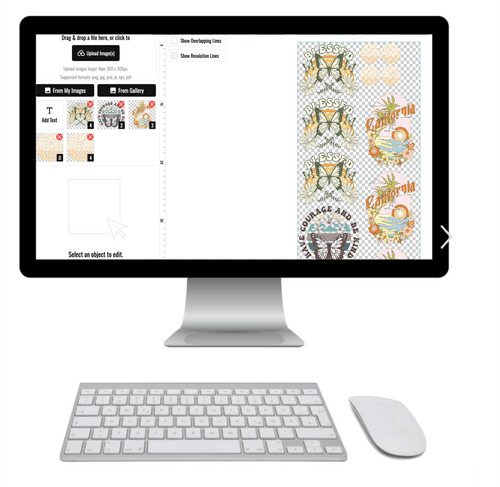
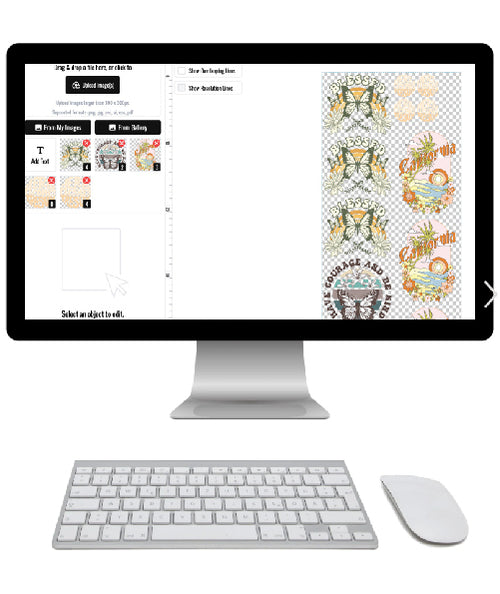
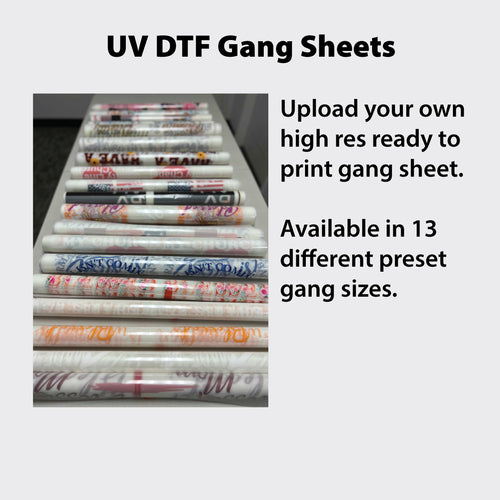
Ultimately, picking the right blank isn't just a creative choice—it's a business one. When you pair a quality shirt with a smart workflow—like using our Auto-build gang sheet builder to cram as many designs as possible onto one transfer sheet—you slash your cost-per-print. This combo of great materials and efficient production is how you build a t-shirt business that lasts.
A Deep Dive Into T-Shirt Fabrics and Blends

Let's get one thing straight: not all fabrics are created equal, especially when you're about to hit them with a 300°F heat press. The material you choose is the single biggest factor that decides whether a shirt becomes a bestseller or a customer return. It dictates everything—how vibrant your colors look, how the shirt feels, and how it holds up after a dozen washes.
Think of it like painting. Cotton is a porous canvas that just drinks up ink, giving you that rich, solid finish. Polyester, on the other hand, is a slick, non-absorbent surface. If you don't use the right transfers, the shirt's dye can actually bleed into your design. Getting this right is how you find the best blank t-shirts for printing and dodge some seriously expensive mistakes.
100% Cotton: The Print-Ready Champion
When it comes to DTF printing, 100% cotton is the undisputed king. Its natural fibers create the perfect surface for ink to grab onto, which means you get incredibly sharp, vibrant designs that really pop. But hold on—not all cotton is the same.
There’s standard cotton, which is a bit rougher. Then there's ringspun cotton. This stuff goes through an extra process that spins and thins the cotton fibers, making the yarn way stronger, softer, and smoother. For DTF, that smooth surface is a total game-changer, ensuring your transfer sticks perfectly for a top-tier finish.
The print-on-demand world is exploding and is on track to hit $102.99 billion by 2034. Smart shops are ditching basic tees and leveling up to premium options like ringspun cotton or garment-dyed blanks. These better garments grip ink so well they can cut down on misprints and waste by up to 18% on big jobs.
Polyester and Blends: The Workhorses
While cotton reigns supreme for pure print quality, don't sleep on polyester and its blends. These guys bring durability, unique feels, and special functions to the table, making them essential for athletic wear or those trendy vintage-style tees.
-
100% Polyester: Famous for being moisture-wicking and tough against wrinkles and shrinking, polyester is the go-to for workout gear. Just remember, it needs special "low-bleed" or "blocker" DTF transfers. This is crucial to stop dye migration, where the fabric's color contaminates your print during pressing.
-
50/50 Cotton/Polyester Blends: These are the reliable workhorses of the apparel world. You get the breathability of cotton and the strength of polyester, all at a great price. A 50/50 blend is a fantastic, versatile choice for tons of different projects.
-
Tri-Blends (Cotton/Polyester/Rayon): Known for being ridiculously soft with a lightweight, drapey feel, tri-blends are a favorite for retail and fashion-forward brands. The mix of three fabrics gives them a subtle heathered look, which makes your prints look cool and a bit vintage right off the press.
Fabric Performance for DTF Printing
To make it even clearer, here’s a quick breakdown of how these fabrics stack up when you're using DTF transfers. This table compares the key things a print shop owner needs to know.
| Fabric Type | Color Vibrancy | Durability | Feel/Comfort | Shrinkage Risk |
|---|---|---|---|---|
| 100% Cotton | Excellent | Good | Soft & Breathable | High |
| 100% Polyester | Good (with blockers) | Excellent | Smooth & Wicking | Low |
| 50/50 Blend | Very Good | Very Good | Balanced | Low-Medium |
| Tri-Blend | Good (Vintage Look) | Very Good | Exceptionally Soft | Low |
Choosing the right fabric is about balancing what your customer wants (comfort, style) with what your printing method needs to produce a high-quality, long-lasting product.
Expert Tip: Always, always do a test press on blends. This lets you dial in the perfect temperature and pressure to get a great print without scorching the synthetic fibers. It's the secret to a flawless final product every time.
Once you know your fabrics, you can start making your entire process more efficient. For instance, after picking your blanks, you can use our Auto-build gang sheet builder to cram multiple designs onto one sheet. This move alone will slash your cost-per-print and seriously boost your profits.
To go even deeper, check out our complete guide to the different types of T-shirt materials.
Decoding T-Shirt Weight and Knit Quality
Ever grab a tee and see a tag that says something like “4.2 oz ringspun cotton”? That’s not just random jargon; it’s the shirt’s whole resume. These details tell you everything about its feel, how long it’ll last, and most importantly for us, how it’s going to take a print.
Nailing your blank t-shirt choice means understanding what weight and knit quality really mean for your shop.
Think of t-shirt weight like this: it's the fabric's density, measured in ounces per square yard. A lower number means a lighter, thinner shirt that drapes more. A higher number gives you a heavier, beefier feel. This one number can totally change who the shirt is for and what it's good for.
For instance, a lightweight shirt is a no-brainer for a summer music festival's merch table. But you wouldn't give that to a construction crew—they need a heavyweight tee that can take a beating.
Lightweight vs. Heavyweight Blanks
So what's the real-world difference when you're stocking up? Let's get into the weight classes you'll see all the time when you're sourcing blanks.
-
Lightweight Shirts (Under 5 oz): These guys, usually in the 4.2 to 4.5 oz range, are all about that soft, breathable feel. They hang just right, making them the go-to for fashion brands, retail shops, and anyone wanting that premium, comfy vibe. The Bella+Canvas 3001 is the poster child for a killer lightweight tee.
-
Midweight Shirts (5.0 to 5.9 oz): This is your versatile workhorse, the sweet spot. Midweight tees give you a solid balance of durability and comfort. They’re not too thick, not too thin, making them perfect for almost anything, from promo events to full-on apparel lines.
-
Heavyweight Shirts (6.0 oz and up): Built like a tank. Heavyweight tees are the champs when it comes to toughness. Their thick, dense fabric is perfect for workwear, streetwear brands going for that structured look, and any time a shirt needs to survive some serious abuse.
Picking a shirt's weight is all about matching the tee to its mission. A heavyweight shirt will feel like a furnace for a summer fitness brand, and a lightweight fashion tee will get shredded on a job site. You've got to line up the weight with what your customer expects.
The Critical Role of Knit Quality
Weight is only half the story. The way the cotton fibers are actually spun and knit together makes a massive difference in your final print. This is where you separate the good shirts from the great ones. You’ll mainly run into two types: standard carded cotton and ringspun cotton.
Standard carded open-end cotton is made with a process that leaves you with shorter, rougher fibers. You get a fabric that’s cheaper, sure, but it has a scratchier surface with stray threads poking out. For printing, that’s a big problem.
On the flip side, ringspun cotton is made by constantly twisting and thinning the cotton strands into a long, fine rope of fiber. The shirt you get is way smoother, softer, and more durable.
Here’s the best way to think about it: printing on standard cotton is like trying to paint on a gravel road. The surface is bumpy and uneven, so your print will never be perfectly sharp or smooth.
Printing on ringspun cotton is like painting on a freshly paved highway. The surface is flawless, which lets your hot-peel DTF transfer grab on for a crisp, clean, and professional finish. For top-tier results, that smooth canvas is non-negotiable.
Once you’re ready to stock your shop with these premium blanks, you can seriously boost your efficiency and profits. Our Auto-build gang sheet builder is built for exactly that, letting you cram multiple designs onto one transfer sheet. This slashes your cost per print and makes every single order more profitable.
How to Match Your Blank to Your Printing Method
Picking a blank T-shirt without thinking about your printing method is like buying tires for your car without knowing if you're driving a race car or a farm tractor. The perfect shirt for one technique can be a total flop for another. You've got to match your garment to your printing tech if you want results that both you and your customers will love.
Getting this right from the start helps you dodge those costly and frustrating mistakes. We're talking about things like dye migration wrecking a polyester print, or a DTG design looking faded and splotchy on the wrong fabric. Every print method has its ideal canvas, and knowing which is which turns your gear into a powerhouse for creating seriously professional apparel.
DTF Printing: The Gold Standard for Versatility
Direct-to-Film (DTF) has become a massive favorite because it's so versatile, but it really sings on certain fabrics. If you're chasing the absolute best results—I'm talking razor-sharp lines, colors that pop right off the shirt, and a soft feel—then 100% ringspun cotton is your champion. Cotton fibers grab onto the transfer's adhesive perfectly, forging a permanent bond that looks and feels top-shelf.
High-cotton blends are also fantastic picks. A good 50/50 or a CVC (Chief Value Cotton) tee gives you some of the perks of polyester, like less shrinkage and a slightly different feel, while still giving your DTF transfers a great surface to stick to.
Pro Tip: While you can press DTF onto polyester and tri-blends, you'll score the most vibrant and toughest prints on 100% cotton and high-cotton blend shirts. These fabrics are the perfect match for the hot-melt adhesive, creating a bond that’s built to last.
To really get the most bang for your buck on DTF projects, you have to nail your workflow. By grouping a bunch of different designs for your cotton or blend tees onto one big sheet, you can slash your costs. Our Auto-build gang sheet builder makes this ridiculously easy, using every last square inch of your transfer film to pump up your profit margin on every single shirt you press.
This flowchart is a handy visual guide for picking a blank based on its weight, knit, and how it feels to the touch.

As you can see, starting with the shirt weight you're after helps you narrow down the options for the knit and feel, pointing you straight to the best blank for what you're trying to create.
Best Blanks for Other Common Print Methods
DTF is a fantastic all-rounder, but other methods are a bit more particular. If your shop is running multiple kinds of printers, here’s the lowdown on how to pick the right blank every single time.
-
Screen Printing: This old-school classic uses thick inks that demand a sturdy canvas. Heavyweight cotton shirts (6 oz+) are the way to go. They keep the ink from overwhelming the fabric and give you awesome opacity for bright colors, especially when you're laying down a white underbase on dark shirts.
-
Sublimation Printing: This one's unique. The ink turns into a gas and literally becomes part of the polyester fibers. Because of this, you have to use 100% light-colored polyester blanks. If you try to sublimate on cotton, you'll just end up with a sad, faded design that vanishes in the first wash.
-
Direct-to-Garment (DTG) Printing: Think of DTG as an inkjet printer for fabric. It shines on 100% combed and ringspun cotton that's been pre-treated. This pre-treatment step creates a smooth, even surface that stops the water-based ink from soaking in too deep, giving you a crisp, colorful print.
Want to dive deeper into how these methods stack up? You can check out our complete guide on modern t-shirt printing techniques. Making the right choice from the get-go saves you time, money, and the headache of having to redo an entire order.
Sourcing Blanks and Boosting Your Profit Margins
Finding that perfect shirt is a great first step, but knowing how to get your hands on it consistently is how you actually build a profitable business. Sourcing your blank apparel isn't just shopping; it's a strategic move that hits your bottom line directly. Get this right, and you can offer killer products without killing your profit margins.
You've really only got two main paths: buying from big wholesale distributors or, in some cases, trying to buy straight from the manufacturers. Each has its own game plan, and you need to figure out which one fits your business size and what you're trying to accomplish.
Wholesale Distributors vs. Direct From Manufacturer
For most print shops out there, especially if you're a small or medium-sized operation, wholesale distributors are your best friend. Think of companies like SanMar, S&S Activewear, and AlphaBroder as the massive warehouses for pretty much every apparel brand you'd want to print on.
The perks of going through a distributor are massive:
- Insane Variety: You get access to a gigantic catalog of brands, styles, and colors, all in one spot. No need to open a dozen different accounts.
- Warp-Speed Shipping: They have warehouses scattered all over the country. That means you can often get your blanks in just one or two business days—a lifesaver when you've got tight deadlines.
- Low Minimums: You don’t have to bet the farm by ordering thousands of one shirt. You can mix and match to get exactly what you need for the jobs you have right now.
Going direct to the manufacturer—like trying to buy straight from Bella+Canvas or Gildan—is a move reserved for the big dogs. While you might get the absolute rock-bottom price per shirt, you're staring down the barrel of insanely high minimum order quantities (MOQs). We're talking thousands of units, per style, per color. For a growing business, that’s just not realistic.
Business Insight: Let's be real. Unless you're moving tens of thousands of a single T-shirt style every month, your best bet is building a solid relationship with a reliable wholesale distributor. It's the perfect mix of price, speed, and flexibility.
Maximizing ROI with Smart Printing
Nailing your sourcing and getting great blanks at a good price is only half the battle for maximizing your Return on Investment (ROI). The other half is all about how efficiently you print those shirts. Your cost-per-print is a huge piece of the puzzle.
This is where your workflow becomes a tool for making money. Any wasted material, like that empty space on a transfer sheet, is literally cash in the trash. The goal is simple: drive your cost-per-design down as low as you can on every single order. For a deeper look at who to buy from, check out our guide on finding the best wholesale blank apparel suppliers to get started.
The Auto-Build Gang Sheet Builder Advantage
To make this whole process ridiculously simple and cheap, we built the Auto-build gang sheet builder. If you're using DTF transfers, this tool is an absolute game-changer.
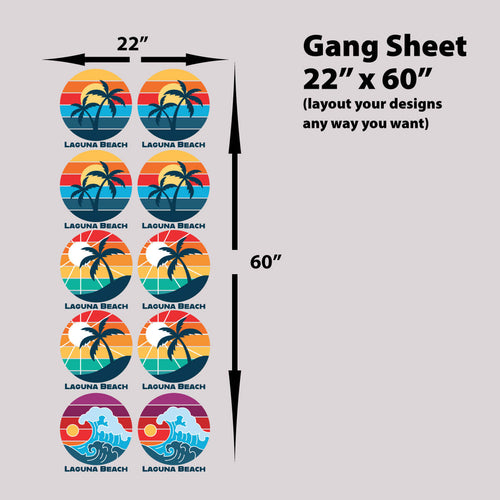
Instead of ordering one design at a time, you can just upload a bunch of different logos and graphics—even if they're for totally different clients. Our builder then automatically and intelligently crams them all onto a single large transfer sheet, cutting out almost all the wasted space.
Think about it. You've got three different orders for small, left-chest logos and two more for full-size back graphics. Instead of placing five separate (and more expensive) orders, you combine them all onto one sheet. That simple move slashes your cost for each individual print.
When you pair smart sourcing—like buying the Bella+Canvas 3001 in bulk from a distributor—with hyper-efficient printing using a gang sheet, you drop your total cost per finished shirt way down. This is how the successful apparel businesses scale. They master both sides of the coin: getting quality materials on the cheap and cranking out finished goods with zero waste.
Pressing and Care Instructions for Lasting Prints

Think you're done when the heat press pops open? Not even close. How you apply that transfer and the care instructions you pass on to your customers are what separates a good print from a great one. This is where you build a rep for gear that actually lasts.
It’s like the final step in a recipe—if you mess up the baking time, the whole dish is a bust. Pressing it right makes sure the transfer’s adhesive gets a death grip on the fabric fibers, creating a print that won't crack or peel, even after tons of washes.
Nailing Your Heat Press Settings
Applying hot-peel DTF transfers is a three-way dance between temperature, pressure, and time. You have to get this trio dialed in for the specific blank you're using. The perfect setting for a 100% cotton tee will absolutely scorch a delicate tri-blend.
Always, and I mean always, pre-press your shirt for 5-7 seconds. This little step zaps out any moisture and smooths out wrinkles, giving you a perfect canvas for your transfer.
-
100% Cotton: Go for a temp between 280°F. Give it firm, even pressure for 10 seconds. You want to melt that adhesive just enough to lock it in for good.
-
50/50 Blends: These guys are a bit more sensitive. Drop your temperature down to 260-270°F and press for 10 seconds. This keeps the polyester from getting scorched while still getting a solid bond.
-
Tri-Blends and Polyester: Tread carefully here. Bring your heat way down to 240-270°F and press for only 7-10 seconds. Use firm pressure, and please, do a test press on a scrap shirt first.
After your first press, peel that film while it's hot. Then, throw a sheet of parchment or Teflon paper over the design and hit it with a final 5-second press. This is the secret sauce—it seals the deal, pushing the ink into the fabric for a softer feel and maximum toughness.
A rookie mistake is going too light on the pressure. You need some serious, even force across the whole design to work that adhesive into the shirt's fibers. If your prints are peeling off, weak pressure is almost always the bad guy.
Customer Care for Prints That Last
Once you've made the perfect shirt, you've got to teach your customers how to keep it looking that way. Giving them clear, simple wash instructions cuts down on complaints and shows you're serious about your quality.
Your care card or tag needs to lay down these simple rules:
- Turn It Inside Out: This is non-negotiable. Washing inside out protects the print from rubbing against other clothes.
- Wash Cold: Always use cold water on a gentle cycle. Hot water is the enemy; it can slowly break down the transfer's adhesive.
- Tumble Dry Low: Dry on the lowest heat setting you've got. Even better? Hang it up to dry. High heat will kill a print.
- No Ironing on the Design: An iron will melt a DTF transfer in a hot second. If you absolutely have to iron the shirt, do it inside out and on low heat.
When you master your press and school your customers on care, every shirt you sell becomes a walking billboard for your shop's quality. And by making your production even smarter with tools like our Auto-build gang sheet builder, you can crank out these killer garments while keeping your costs way down.
Of course! Here is the rewritten section, crafted to sound like a human expert, following your specific style and formatting guidelines.
Your T-Shirt Blank Questions, Answered
Jumping into the world of blank apparel can feel overwhelming. You've got questions, and getting straight answers is the only way to avoid blowing your budget on bad buys and troubleshooting headaches. We get these questions all the time from print shops and creators, so let's clear the air.
What's the Absolute Best T-Shirt for a DTF Beginner?
If you're just getting your feet wet with DTF, go straight for the Bella+Canvas 3001. Trust us on this one. It's made from 100% Airlume combed and ringspun cotton, which gives it a ridiculously smooth surface that's perfect for printing.
That high-quality fabric is super forgiving when you're still dialing in your heat press settings. The transfer adhesive just bonds to it with way less fuss. With its huge color selection and consistent quality, it's the perfect starting point for making custom tees that are vibrant, soft, and built to last.
Why Are My Prints Cracking After a Few Washes?
Print cracking or peeling almost always boils down to one of three culprits: your heat press settings are off, you're using the wrong type of blank, or you're not following the right wash care. First things first, check your press. You need the right temperature (usually around 280°F for cotton) and firm, even pressure.
If you're pressing on a 50/50 blend or a tri-blend, you've got to drop that temperature or you risk scorching the fabric. And always, always tell your customers to wash their shirts inside out in cold water and tumble dry on the lowest heat setting. A hot washer or dryer will wreck a transfer's adhesive over time, causing it to fail.
Can I Use Those Cheap Cotton Shirts from the Craft Store?
Look, you can technically use them, but we'd strongly advise against it if you're trying to sell a professional product. Those cheap shirts are typically made from "carded open-end" cotton, which feels rough and has a bunch of loose, stray fibers.
That uneven surface is bad news for DTF. The transfer can't get a perfect grip, which means your print might look dull and will definitely have a scratchy feel. Investing in quality ringspun cotton blanks is non-negotiable if you want to build a brand people trust and come back to.
How Does the Auto-Build Gang Sheet Builder Help Me?
Our Auto-build gang sheet builder is a straight-up profit machine. Instead of ordering single designs for every job, you can throw a ton of different graphics for multiple clients and projects all onto one sheet.
The builder is smart—it automatically packs all those designs together as tightly as possible, cutting down on wasted space. That process slashes your cost for each individual print. When you pair that efficiency with buying your favorite blank t-shirts in bulk, your cost to produce a finished shirt drops through the floor.
At Lion DTF, we're all about making pro-level printing easy and affordable. Whether you're just starting out or scaling up your operation, our lightning-fast DTF transfers and smart online tools are here to help you win.
Ready to make your workflow more efficient and profitable? Build your first gang sheet with Lion DTF Transfers today!