



You need shirts for an event, a merch drop, a school order, or a rush client job. The art is full color. The garments aren't all the same. Some are cotton, some are blends, and somebody always adds a last-minute size change. That's usually the moment people start asking where to get DTF transfers, and who can deliver them without creating a new production problem.
A few years ago, this kind of order pushed you toward screen printing for volume or vinyl for simplicity. Both still have their place. But DTF transfers changed the buying process because you can order ready-to-press prints from a specialist instead of owning the full print workflow yourself.
Introduction The Modern Way to Source Custom Prints
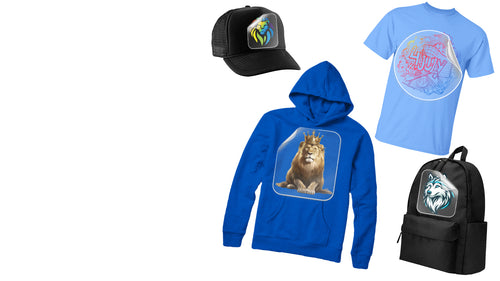
DTF became a practical sourcing option because it works across a wide range of materials, including cotton, polyester blends, nylon, and leather, and suppliers market it as a durable method for professional apparel.
That matters if you're buying for a business, not just a hobby project. You don't want a transfer that looks good on press day and starts failing after a few wash cycles. You also don't want to invest in printers, films, powders, curing equipment, and trial-and-error production just to fill occasional orders.
What makes DTF useful isn't only print quality. It's procurement flexibility. You can buy finished transfers, keep your decorating in-house with a heat press, and skip the complexity of running a print department.
Practical rule: Buy from a supplier whose ordering process fits your workflow, not just one with a low advertised price.
That's the main filter. New buyers usually focus on cost per inch. Experienced shops look at artwork prep, gang sheet tools, turnaround reliability, peel behavior, and whether support can solve a problem before it delays a job.
If you're trying to decide where to get DTF transfers, start with this mindset. Don't shop like you're buying a commodity. Shop like you're choosing a production partner.
Mapping Your Options Where to Find DTF Transfers
A common buying mistake shows up on the first rush order. The artwork is ready, the garments are stacked, and the supplier looked cheap on paper. Then the upload tool rejects the file, support is slow to answer, or the transfer arrives with press settings that do not fit your production pace. Supplier type matters because it affects how work moves through your shop.
Local shops
Local print shops can work well if you need fast pickup, in-person communication, or help solving a problem across the counter instead of by email. That matters for new buyers who are still learning file setup and press technique.
The trade-off is specialization. Many local shops added DTF alongside screen printing, embroidery, or vinyl. Some run it well. Others treat it as an extra service, which can show up in inconsistent file review, limited gang sheet options, vague pressing instructions, or longer reorder times.
Dedicated online DTF specialists
Dedicated online DTF suppliers usually fit businesses better once order volume grows or artwork gets more varied. Their systems are built for upload, gang sheet building, reorders, and shipping, which removes a lot of manual back-and-forth.
That does not mean every online supplier is a good fit. Some are optimized for simple by-size ordering. Others are better for gang sheets, fast reprints, or wholesale-style repeat purchasing. A shop running small custom batches needs something different from a brand reordering the same left-chest and full-back designs every week.
The practical advantage is process control. If the portal is clear, proofs are handled consistently, and repeat jobs are easy to place, your team spends less time chasing order details and more time pressing garments.
Marketplace sellers
Marketplace sellers on platforms like Etsy can make sense for one-off tests, short runs, or niche artwork that needs a more hands-on seller. There are good operators there.
The risk is that marketplace listings often tell you more about the graphic than the production method. You may get very little information about film type, powder feel, artwork standards, press settings, reorder consistency, or what happens if a job arrives wrong. That gap becomes expensive when a customer reorder needs to match the first batch.
DTF Supplier Comparison
| Supplier Type | Pros | Cons |
|---|---|---|
| Local print shops | Easier communication, possible local pickup, relationship-based service | Process may be less standardized, specs may be unclear, capacity can vary |
| Online DTF specialists | Clear ordering systems, fast turnaround, scalable production, shipping convenience | Less face-to-face interaction, quality depends on supplier discipline |
| Marketplace sellers | Flexible for small orders, creative options, easy browsing | Inconsistent workflows, limited technical detail, harder to rely on for repeat business |
Choose the supplier type that matches how you prepare files, build gang sheets, place repeat orders, and handle deadlines. Operational fit usually saves more time and money than a lower per-inch price.
The Supplier Vetting Checklist What to Look For
Most transfer problems don't start on the heat press. They start when a buyer orders from a supplier that hides important details.

Check the production specs
If a supplier doesn't publish pressing guidance, that's a warning sign. You need to know time, temperature, pressure, and peel type before you order, not after the package arrives.
If you run a press all day, this isn't a minor detail. Choose Hot peel. Hot peel can keep jobs moving. Cold peel may still work well, but it changes labor pacing.
Ask how they handle color and consistency
A transfer can look sharp in a social post and still fail in production. What you need is a supplier that can repeat results. That means stable output, consistent whites, clean edges, and solid color handling across repeat orders.
If color accuracy matters to your brand work, this article on DTF suppliers with the most vibrant colors is a useful checkpoint because it pushes buyers to compare consistency, not just marketing photos.
Review the buying experience, not just the print
Here's what to look for before you upload anything:
- Published file requirements: If accepted formats, resolution guidance, and transparency rules are missing, expect friction.
- Proofing process: You need to know whether artwork is auto-routed, manually reviewed, or held for approval.
- Support access: Email-only support can be fine, but rush buyers usually need faster answers.
- Reorder clarity: Good suppliers make repeat jobs easy. Weak suppliers make you rebuild the order from scratch.
A supplier that explains its process clearly usually runs its process clearly.
Test before you commit heavily
For a real business order, don't trust product photos alone. Place a small job first. Press it on the actual garments you use. Wash-test it with your own settings and check edge detail, hand feel, and peel performance.
Price still matters, but it should come after process clarity. Cheap transfers become expensive when you waste blank garments, press time, and labor.
From Design File to Ready-to-Press Film
Artwork prep is where many first-time buyers lose time. The transfer itself may be fine, but the file they submit creates the delay.

A strong supplier makes this part easier. The verified guidance tied to Heat Transfer Warehouse's DTF transfer process points out a problem a lot of buyers recognize immediately. Many suppliers advertise speed and quality, but the friction often comes from artwork preparation and file intake. The better partners simplify that with clear file guidelines, intuitive gang sheet tools, and support for vectorization or design help.
What a print-ready file should do
You don't need to overcomplicate file prep, but you do need to respect it. Clean artwork produces clean transfers. Weak files produce fuzzy edges, rough gradients, and surprises on press day.
Common things to check before upload:
- Transparent background: If the background isn't handled correctly, you can end up printing what you thought was empty space.
- Sharp edges and readable detail: Fine text and thin lines need to be intentional, not accidental leftovers from a low-quality export.
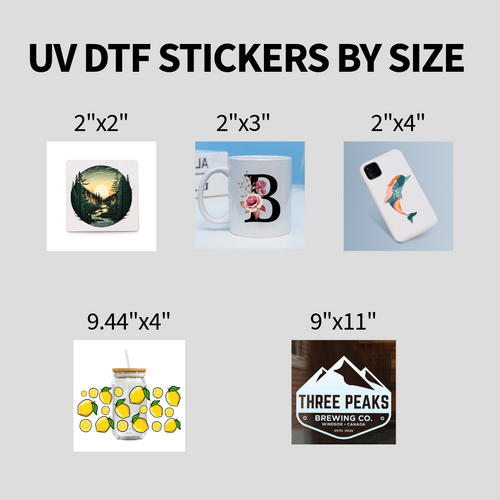
- Correct sizing: Don't guess. Size the art for the garment and placement you need.
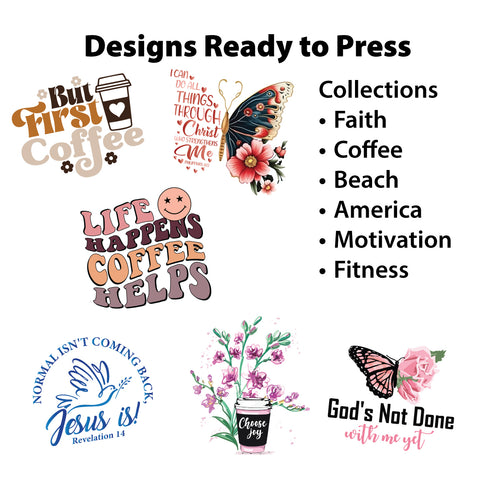
If you want a straightforward overview of the finished product buyers are ordering, this page on DTF ready-to-press transfers helps frame what suppliers expect from submitted artwork.
Why gang sheets matter more than most buyers realize
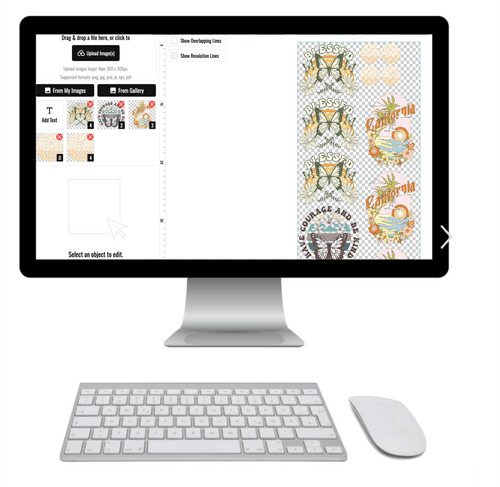
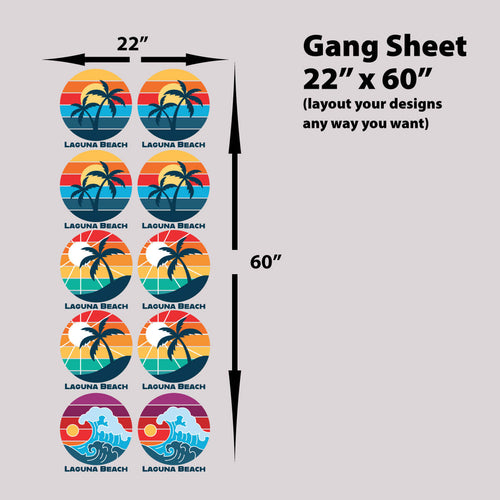
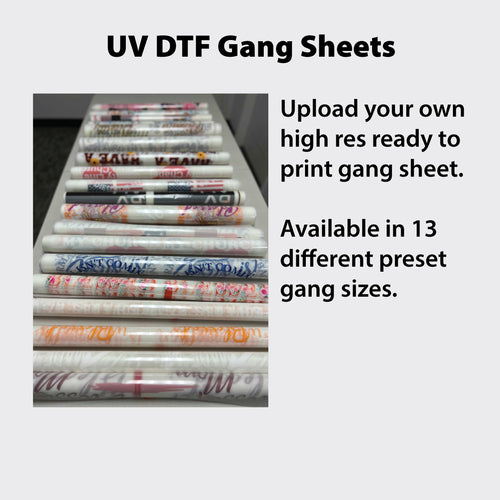
A gang sheet is one larger sheet that combines multiple logos, front prints, sleeve hits, neck labels, or different designs into a single layout. It's one of the simplest ways to control cost and reduce waste.
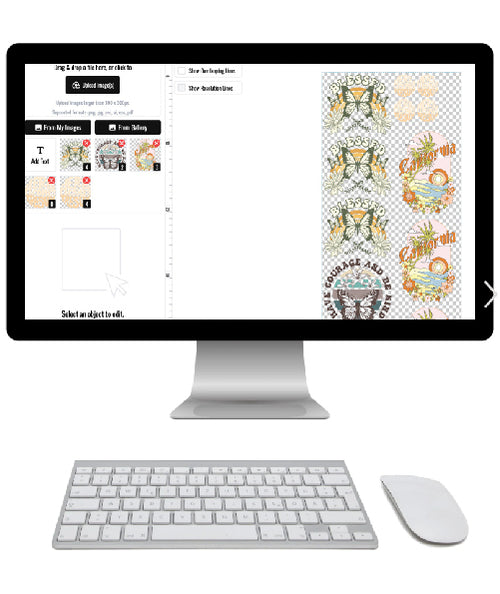
The problem is that manual gang sheet building takes time. You have to arrange elements carefully, avoid spacing mistakes, and use your sheet area well. That's why an Auto-build gang sheet builder matters so much in practice. Instead of dragging art around for half an hour, you upload designs and let the tool build a cost-effective layout fast.
That's not a convenience feature. It's an operational feature.
Buyers save money with gang sheets when the tool is easy enough that they'll actually use it.
For small brands, that means less wasted film. For decorators, it means fewer setup headaches. For busy shops, it means the ordering step stops slowing down production.
A quick demo helps make the workflow clearer:
If a supplier offers an Auto-build gang sheet builder, plus optional design help when your files aren't perfect, that usually tells you they understand what buyers struggle with every day.
Why Smart Businesses Choose Lion DTF Transfers
A supplier earns a spot on your repeat-order list when the job moves through your shop with less friction. That means fewer file corrections, less time spent building orders, and fewer surprises once the film hits the press.
Lion DTF Transfers fits that model. Customers can order custom transfers, upload artwork, build gang sheets online, use an Auto-build gang sheet builder, or hand the layout off through a “We Build a Gang Sheet for You” service with design support. For a small brand, that cuts ordering time. For a shop running multiple client jobs, it helps keep production moving without tying up staff on prep work that does not make money.

Why this supplier model works
A key advantage is operational fit. A low per-inch price does not help much if your team has to fix files, rebuild layouts, chase specs, or guess whether an order will ship in time for the press schedule.
Specialized online DTF suppliers work well because their systems are built around repeatable ordering. Buyers can submit art in the format they already use, choose the ordering path that matches the job, and get ready-to-press transfers without adding another production step in-house. That setup works for apparel brands, contract decorators, promo shops, and creators because it removes labor from the front end of the job.
What matters in daily use
In practice, the best supplier is the one that matches how you work.
- Gang sheet efficiency: Auto-build tools reduce layout time and help buyers use sheet space better.
- Support when files need work: Design help and vectorization save jobs when customer artwork is low quality or poorly prepared.
- Clear ordering paths: Some buyers want to order by size. Others want gang sheets or direct uploads. A good supplier supports those habits instead of forcing one method.
- Fulfillment that matches your schedule: Fast turnaround matters, but clear cutoffs, pickup options, and consistent communication matter just as much.
That is why smart businesses do not choose a supplier on price alone. They choose the one that fits their workflow, reduces preventable labor, and makes reordering easy when volume picks up.
Common Questions About Ordering DTF Transfers
A first order usually goes wrong in predictable places. The art file is not set up the way the supplier expects. The gang sheet takes longer to build than expected. The order cutoff gets missed, and the press sits idle while you wait on film.
That is why these questions matter.
Should I buy locally or online?
Choose the supplier that fits your production routine.
Local suppliers make sense when same-day pickup, in-person problem solving, or quick test runs matter more than tool depth. Online suppliers usually make more sense when you need a cleaner ordering process, better repeatability, and an easier way to place the same type of order again next week. For a shop running steady volume, that consistency usually saves more time than a lower drive time.
What matters more than the lowest price?
How much work the order creates before it ever hits the heat press.
A cheap transfer gets expensive fast if someone on your team has to resize art, rebuild a gang sheet, chase missing specs, or email support just to confirm peel and press settings. Good ordering systems cut that labor out. That matters more than a small difference in per-inch cost.
Are gang sheets worth using on small orders?
Often, yes.
They help when one job includes left chest prints, full fronts, sleeve hits, youth sizes, or several designs for a short run. The savings are not just material savings. You also save setup time when the supplier has a builder that lets you place multiple pieces in one order without doing all the layout work by hand.
What should I ask before placing a first order?
Keep it practical:
- What file types do you accept?
- Do you check artwork before printing?
- What are the order cutoff times?
- Are transfers hot peel or cold peel?
- Do you include clear press instructions with the order?
- If there is a file issue, how is that handled?
If those answers are hard to find, expect delays later. Shops feel that first in scheduling, not in marketing copy.
Can DTF work on different garment types?
Yes. That flexibility is one reason shops use it for mixed orders.
A single run might include cotton tees, fleece, performance wear, tote bags, and a few odd pieces the customer added late. DTF handles that kind of order well, as long as the supplier gives consistent film and powder application and clear pressing guidance for the substrate you are using.
If you want a supplier that supports practical ordering, gang sheet workflows, and file help without adding extra front-end labor, Lion DTF Transfers is worth a look. The fit is strongest for shops, brands, and creators that care about how ordering works day to day, not just what shows up on the price calculator.