



You've got shirts to finish, a team order waiting, or a product drop coming up, and now you're trying to figure out where to buy DTF transfers ready to press without getting burned by weak color, vague shipping promises, or transfers that behave differently every time you press them.
That's the core problem. Most buyers don't just need a fast printer. They need a supplier that helps them produce the same result over and over. If you run a shop, sell merch, or make custom apparel on demand, reliability beats hype. A transfer that shows up quickly but presses inconsistently will cost you more in wasted blanks, rework, and unhappy customers than a slightly slower order that performs exactly the way you expect.
Your Guide to Buying Ready to Press DTF Transfers
Ready-to-press DTF transfers fit the way small apparel businesses work now. You don't need to commit to big minimums, warehouse printed inventory, or stop taking short-run orders just because the artwork has too many colors. The category has moved hard toward low-cost, no-minimum ordering, with one supplier advertising pricing as low as $0.02 per square inch and another listing gang sheets from $5.33, while speed is pushed just as heavily with offers like same-day printing and same-business-day shipping for many early orders, as shown by Ninja Transfers' ready-to-press DTF offerings.

That accessibility is great. It also creates a new problem. When nearly every seller talks about fast turnaround and easy application, buyers have to separate real production partners from vendors that are only good at marketing.
What buyers usually get wrong
A lot of first-time buyers shop by price first, artwork gallery second, and shipping banner third. That sounds logical until the transfers arrive and you realize nobody told you how they should be pressed, whether the peel is predictable, or what to do if you're using more than one garment type.
The better approach is simpler:
- Start with your workflow: If you need rush team shirts, event apparel, or same-week merch, speed matters.
- Check for process support: If the seller doesn't provide clear pressing guidance, you're taking on the testing yourself.
- Look for repeatability: Consistent color and consistent peel behavior matter more than flashy mockups.
Practical rule: Buy ready-to-press DTF the same way you'd buy blanks or screen print supplies. Judge the product by how it performs in production, not by how nice the website looks.
What Exactly Are Ready to Press DTF Transfers
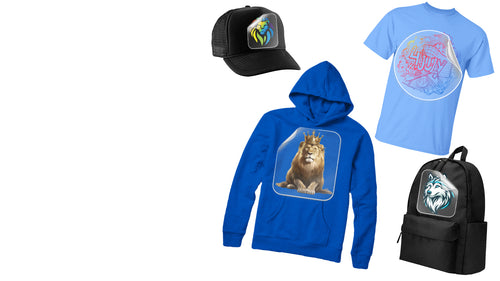
A ready-to-press DTF transfer is a printed design on transfer film that arrives prepared for heat application. You're not printing it yourself. You're ordering the design already produced so you can place it on a garment and press it.
The easiest way to think about it is this. It's like a professional fabric graphic that's already been made for you, but it needs proper heat and pressure to bond cleanly to the garment.
Why people use them
The big draw is convenience without giving up full-color detail. You can apply complex artwork without cutting vinyl, weeding small elements, or separating colors for screen printing. For new apparel sellers, that means you can test designs fast. For established shops, it means you can keep short runs moving without tying up time on setups.
DTF also works well across mixed order types. One day that's a left-chest logo on tees. The next day it's a full-front design on hoodies, event merch, or fundraiser apparel.
Where they fit best
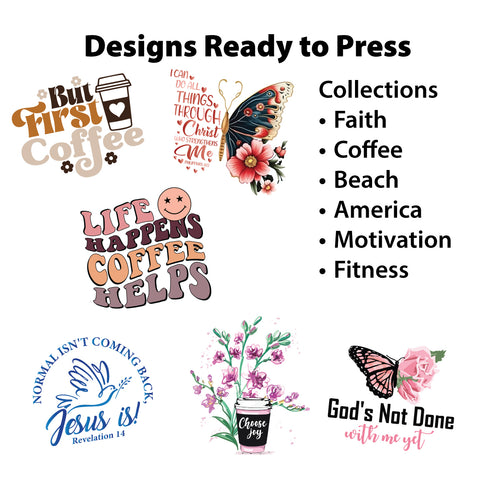
Ready-to-press DTF is useful when you need flexibility more than setup-heavy production methods can offer. Buyers should expect versatility across different use cases because DTF adheres to dark garments and various materials without weeding, and suppliers now commonly offer both stock design collections and custom ordering so buyers can mix ready-made art with custom gang sheets, as noted by Mugsie's ready-to-press DTF collection.
That hybrid model matters. Not every order needs custom art from scratch.
A shop owner may use pre-made seasonal designs for quick impulse sellers, then use custom transfers for school logos, branded merch, or client work. A crafter may buy one stock holiday design, then fill the rest of a sheet with names and one-off pieces.
The product is simple. The buying decision isn't. The transfer only works as well as the artwork, the pressing instructions, and the seller's consistency.
What they are not
They are not magic. They won't fix blurry art. They won't solve bad press pressure. They won't make every garment behave the same.
That's why experienced buyers don't ask only, “Where can I buy them?” They ask, “Which seller gives me the fewest surprises once production starts?”
Where to Find DTF Transfers for Sale Online
If you're searching for where to buy DTF transfers ready to press, most options fall into three buckets. Each serves a different kind of buyer.
Specialized DTF printers
These companies focus mainly on transfers. Their sites usually offer custom uploads, gang sheets, and sometimes ready-made art collections. This is often the best channel if you care about pressing consistency, file handling, and support from people who understand transfer production.
The market itself has become very accessible, with low-cost, no-minimum models and pricing formats built around size rather than traditional bulk ordering. One supplier advertises $0.02 per square inch, gang sheets can start from $5.33, and many sellers push fast fulfillment with same-day printing or early cutoff shipping, as shown in this overview of ready-to-press DTF market norms.
Best fit:
- Small print shops
- Merch brands
- Repeat buyers
- Anyone ordering custom art regularly
Watch for:
- Whether support is real or just an upload form
- Whether press instructions are easy to find
- Whether they handle gang sheets cleanly
Large wholesale apparel decorators
Some major transfer and apparel suppliers offer DTF alongside screen print transfers, HTV, blanks, and other decoration products. The advantage is convenience if you already buy from them. The downside is that DTF may not be the main thing they do, so the experience can feel more standardized and less hands-on.
This route works if you already know your process and don't need much help. It's less ideal if you're still dialing in artwork prep or garment compatibility.
Online marketplaces and craft sellers
Etsy-style marketplaces can be good for niche artwork, trend designs, and one-off creative ideas. The trade-off is inconsistency. Different sellers use different films, inks, and workflows, and product listings often focus more on the design than on production details.
Use this channel when:
- You want a very specific style
- You only need a small project
- You're willing to test before scaling
Skip it if you need repeat business ordering. Marketplace sellers can be fine for hobby jobs, but they're usually weaker for predictable commercial output.
Critical Criteria for Choosing Your DTF Supplier
A supplier isn't good because the order ships fast. A supplier is good when the transfer arrives fast, presses cleanly, and behaves the same way on the next order.
That distinction matters more than most buyers realize.
Turnaround matters, but consistency matters more
Independent transfer vendors commonly promote same-day, next-day shipping, or 1–2 business day production-to-ship windows, and that speed matters for urgent orders. But for real buyers, the more important question is whether the transfer is predictable once it's on your press. Clear application guidance matters here. One vendor recommendation highlighted in industry guidance uses a press window around 280°F for 10 seconds, medium pressure, a short cool period, and a final press, which shows how process-sensitive the product can be. 
If a vendor can't tell you how to press the transfer, that's a warning sign. If the instructions change from batch to batch, that's worse.
What to check before you buy
Color handling
If you print for brands, schools, companies, or repeat customers, color drift becomes a problem fast. Product photos won't tell you enough. Ask whether the supplier gives you confidence that repeat orders will look like repeat orders.
Peel behavior
This gets ignored by new buyers. It shouldn't. A transfer that peels cleanly and predictably saves time and reduces operator error. A transfer that sometimes fights you and sometimes doesn't will wreck your rhythm.
Instructions and support
You want more than “press and peel.” You want practical guidance for garments, re-pressing, and finishing. That's especially important if you're decorating hats, stretch fabrics, or mixed-fabric jobs.
Shop-floor rule: Good transfers don't just look good on film. They finish cleanly under pressure, with instructions your staff can actually follow.
Ordering clarity
Bad websites cost people money. If the pricing structure is confusing, if artwork sizing is unclear, or if there's no clean path for gang sheets, reorders get messy.
Real operational fit
Use this short filter:
| Criteria | What good looks like | What causes problems |
|---|---|---|
| Turnaround | Clear production window | Vague rush claims |
| Press guidance | Specific settings and finishing steps | Generic “heat press only” language |
| Repeatability | Similar output across orders | Batch-to-batch variation |
| Artwork flow | Easy upload and sizing | Manual back-and-forth for simple jobs |
| Support | Fast answers when a job is on the line | Slow email-only support |
The cheapest transfer is often the expensive one once you count wasted blanks and production delays.
Understanding Your Ordering Options From Gang Sheets to Collections
How you order matters almost as much as where you order. Most buyers end up choosing between gang sheets, ready-made collections, and by-the-image ordering.
Gang sheets
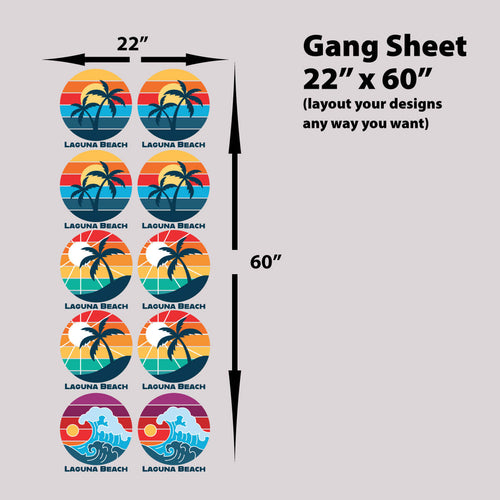
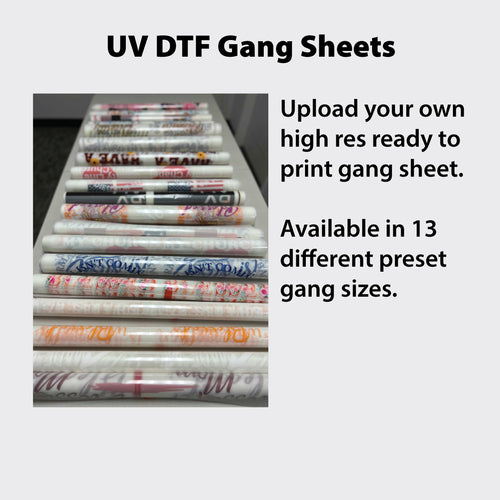
Gang sheets are usually the most cost-effective option because you place multiple graphics on one sheet and use the film area more efficiently. This works well for chest logos, sleeve hits, neck labels, full fronts, and size variations all in the same order.
For most shops, gang sheets are the smartest default. They reduce waste, simplify batch ordering, and give you room to test more designs without placing separate line items for everything.
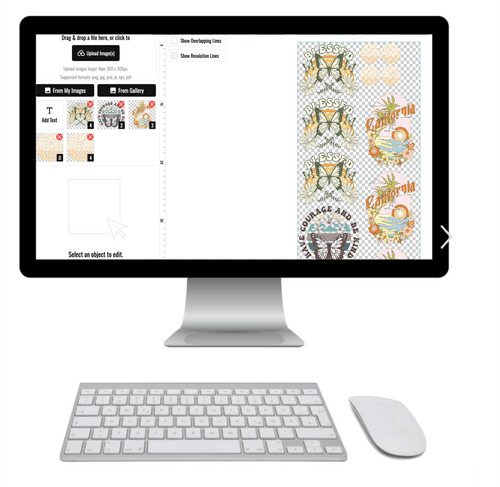
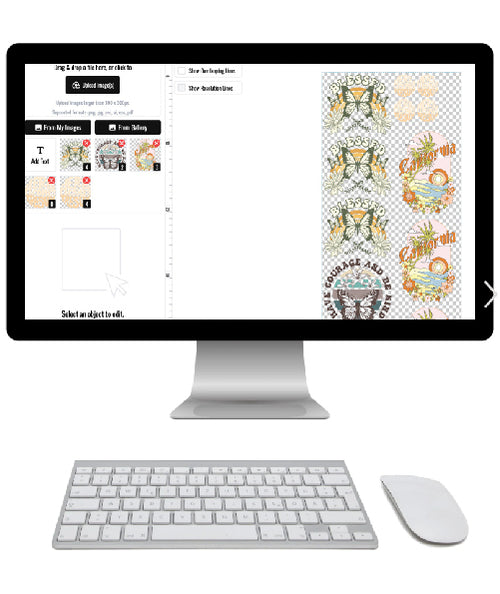
A lot of beginners avoid gang sheets because layout feels intimidating. That's where an Auto-build gang sheet builder helps. Instead of manually arranging every file, the builder can streamline layout and make the cheapest ordering format easier to use. If you want a clear breakdown of how gang sheets work in practice, this guide on DTF gang sheet ordering is useful.
Ready-made collections
Pre-designed collections are good for shops that want fast-turn seasonal product without hiring a designer for every trend. Think sports, holidays, school spirit, causes, faith, or event graphics.
This option makes sense when speed matters more than uniqueness. You're buying convenience. You're not building a brand around exclusive artwork.
By-the-image or by-size orders
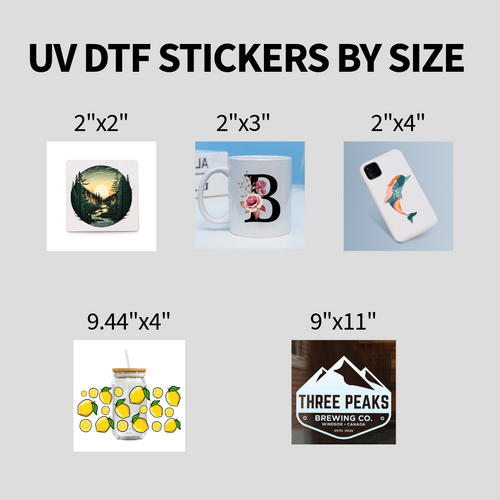
Single-image ordering is best when you need one logo, one design, or one exact print size without building a larger sheet. It's the easiest route for small tests and repeat reorders on proven artwork.
It's also the least efficient if you have multiple placements or mixed sizes. In that case, gang sheets usually win.
DTF Transfer Ordering Options Compared
| Ordering Method | Best For | Customization Level | Cost-Effectiveness |
|---|---|---|---|
| Gang sheets | Shops, brands, mixed orders | High | High |
| Ready-made collections | Trend products, seasonal drops | Low to medium | Medium |
| By-the-image/size | Simple reorders, one-off jobs | Medium | Lower for multi-design orders |
Buying advice: If you need more than one design, more than one size, or more than one placement, start with a gang sheet. If a seller makes gang sheets hard to build, the workflow will stay hard after checkout too.
A Step-by-Step Guide to Ordering Your Transfers
Most ordering mistakes happen before production starts. Bad artwork, wrong sizing, and sloppy layout choices create problems that buyers blame on the printer later.

Prepare the artwork first
Start with the cleanest file you have. Transparent background. Sharp edges. Proper sizing. If the art looks rough on your screen, it'll look rough on film.
Use a file type your supplier accepts and check that the design is already sized for the final print area. Don't assume the printer will guess correctly.
Choose the ordering format
Decide whether the job belongs on a gang sheet, as a single transfer, or from a stock collection. If you're ordering multiple placements or multiple sizes, the Auto-build gang sheet builder can save time and reduce wasted film area.
Then upload, review, and place the order carefully. Confirm placement sizes before paying.
This walkthrough can help if you want to see the process in action:
Review like a production manager
Before you submit, check these:
- Artwork edges: No white boxes, hidden backgrounds, or low-res details.
- Sizing: Adult full front, left chest, sleeve, youth sizes, and back prints all need different dimensions.
- Quantity logic: Don't order singles for a job that should be grouped.
- Garment plan: Know what blanks you're pressing onto before the transfers arrive.
What happens after checkout
Once the order is in, expect production, shipment, and delivery communication based on the supplier's workflow. When the transfers arrive, inspect them before running production. Don't press every shirt first and troubleshoot later.
Press one test garment. Check adhesion, finish, and feel. Then scale.
That small habit saves more wasted blanks than almost anything else.
Why Smart Businesses Choose Lion DTF for Reliability
When buyers narrow the field, they usually end up prioritizing the same things: easier ordering, fewer production surprises, and dependable output. That's where a specialized provider can make sense.
One option in that category is Lion DTF's DTF printing solutions. For buyers who want custom uploads, by-size ordering, ready-to-press collections, and gang sheet ordering in one place, that kind of setup can reduce friction. The Auto-build gang sheet builder is especially useful for people who want the cost advantages of gang sheets without manually packing every design.
Why that matters in real production
A small business doesn't need a vendor that only looks good on the first order. It needs one that can support repeat jobs, mixed quantities, and fast-moving schedules without turning every reorder into a fresh guessing game.
That usually comes down to a few practical things:
- Clear ordering paths: Custom art, stock art, and gang sheets should be easy to distinguish.
- Usable support: You need answers when artwork or application questions come up.
- Process clarity: Good instructions reduce mis-presses and operator variation.
- Repeat confidence: Reordering shouldn't feel risky.
The shops that stay profitable are usually the shops that reduce variables. They standardize blanks, standardize placement, standardize pressing, and standardize suppliers. That's how ready-to-press DTF becomes efficient.
If you're still trying to decide where to buy DTF transfers ready to press, use a simple filter. Pick the seller that makes your workflow easier after the order arrives, not just the one that wins on price before checkout.
If you want a straightforward place to order custom transfers, build gang sheets faster, and simplify repeat apparel jobs, take a look at Lion DTF Transfers.