



You're probably in one of three spots right now. You've got a shirt design ready and need transfers fast, you're trying to compare suppliers without wasting money on a bad first order, or you're already selling apparel and need a buying process that doesn't fall apart when orders pile up.
That's where DTF transfers make sense. They let you buy ready-to-press prints instead of owning the full print setup, which lowers risk and speeds up production. The hard part isn't understanding what DTF is. The hard part is figuring out where to buy dtf transfers without getting trapped by low sticker prices, vague artwork rules, slow proofing, or shipping terms that wreck your deadline.
Most new buyers look at price first. Shops that stay profitable look at total cost of ownership. That means price, yes, but also file prep, gang sheet efficiency, proofing speed, shipping thresholds, press compatibility, and how much time your team loses fixing preventable mistakes.
Finding the Right DTF Transfers for Your Project
A good DTF order starts with the job itself. A left-chest logo run for a school fundraiser needs a different buying strategy than a full-front fashion drop, and both are different from a same-week client reorder. If you don't match the supplier to the job, you end up paying for speed you don't need or sacrificing speed when you absolutely do.

Start with the job, not the vendor
Before you browse suppliers, answer a few practical questions:
- What garment are you pressing on: Cotton, blends, performance wear, tote bags, or mixed blanks all affect how careful you need to be with application specs.
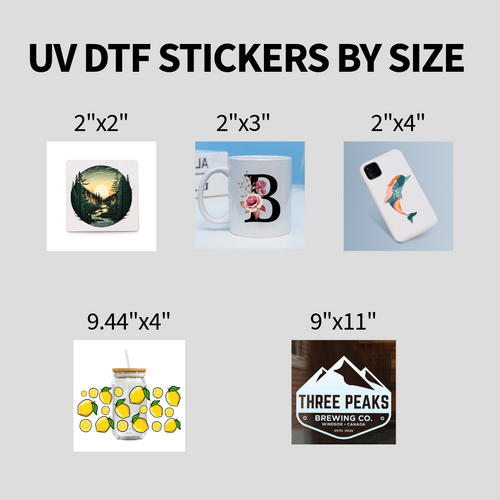
- How many placements do you need: One design per shirt is simple. Multiple logos, sleeve hits, and youth/adult size variations usually push you toward gang sheets.
- How fast do you need it: Rush jobs eliminate a lot of otherwise decent vendors.
- Who is doing the pressing: A home crafter with a basic press needs clearer instructions than a shop operator running production all day.
Those answers shape the purchase more than marketing copy does.
What usually works
For most small brands, Etsy sellers, event organizers, and side-hustle shops, the safest buying path is simple. Use a supplier that accepts clean artwork, shows clear press instructions, and lets you order either by image size or by gang sheet. That gives you enough flexibility to run one-off jobs without overbuying and enough room to scale when order volume picks up.
Practical rule: If a supplier makes artwork intake confusing, the rest of the order usually won't get easier.
A lot of first-time buyers also underestimate layout efficiency. The difference between a clean gang sheet and a sloppy one isn't cosmetic. It affects waste, throughput, and how many garments you can produce from one order.
What doesn't work
Buying purely on the lowest advertised rate is where most problems start. Cheap pricing means very little if the vendor doesn't explain file requirements, proofing, peel behavior, or turnaround expectations. The transfer itself may be fine, but your real cost climbs when you have to reformat art, reorder a missed size, or delay a client because the proof sat in limbo.
If you want a smoother first run, treat the purchase like production planning, not just online shopping.
Mapping Your DTF Supplier Options
The supplier market is broader than it looks. Some vendors are built for bulk production, some are optimized for small custom runs, some are local convenience plays, and some are unpredictable marketplace sellers. Knowing the differences saves a lot of frustration.
One reason buying DTF online has become easier is that major sellers now frame it as an on-demand production model instead of a specialty process. Ninja Transfers says its transfers can deliver screen-print quality in about 10 seconds per press, offer 100+ wash durability, and can arrive as soon as next day. Upload Transfers advertises same-day printing, no minimum order, and pricing as low as $0.02 per square inch, while Sam's DTF Transfers highlights same-day nationwide printing, no setup fees, and free shipping on orders over $99, as shown on the Ninja Transfers website. That shift matters because buyers can now place small orders quickly instead of waiting for a traditional production cycle.
Four supplier types you'll run into
| Supplier type | Usually good for | Main upside | Main risk |
|---|---|---|---|
| Large online manufacturers | Repeat volume and standardized jobs | Competitive pricing and broad capacity | Less hand-holding on artwork or special cases |
| Specialty DTF providers | Small business orders, merch brands, mixed job sizes | Better balance of support, speed, and file handling | Need careful comparison on proofs and shipping terms |
| Marketplace sellers | Small tests and niche artwork | Easy access and low-friction ordering | Inconsistent quality control |
| Local print shops | Same-day needs and in-person pickup | Fast communication and local convenience | Equipment, pricing, and workflow may vary a lot |
How to choose by business model
If you're just testing a design or doing occasional event shirts, a specialty online provider or local shop usually makes more sense than a giant production vendor. You need responsiveness more than industrial scale.
If you run a shop or manage recurring orders, your decision should revolve around process reliability. Can the supplier handle gang sheets cleanly? Do they approve art quickly? Do they publish enough detail that your staff can reorder without guessing?
A local option can still be useful, especially when you need urgent pickup. If you want to compare that route with broader online ordering, this guide on finding custom DTF transfers near you is a practical reference point.
Local is convenient. Reliable is profitable. Those aren't always the same thing.
The hidden trade-off
The biggest difference between supplier categories isn't only price. It's how much operational friction they create. A vendor with okay pricing and smooth proofing often beats a cheaper one that causes artwork delays, duplicate emails, and rushed reorders.
That's why experienced buyers don't ask only, “Who's cheapest?” They ask, “Who can I order from twice a week without babysitting the job?”
Key Criteria for Choosing a DTF Supplier
Once you've narrowed the field, the next step is evaluation. At this stage, buyers either protect margin or slowly lose it. A supplier can look affordable on a product page and still be expensive once you factor in proofs, shipping, and wasted sheet space.

The checklist I'd use before ordering
- Ask about ordering format: Can you buy by single image, by size, or by gang sheet? You want options that match your job instead of forcing every order into one pricing model.
- Check artwork intake: Does the supplier accept print-ready uploads cleanly, or will you spend extra time fixing files?
- Review turnaround policy: Is turnaround tied to proof approval, cut-off times, or business days only?
- Read the application instructions: Press settings should be visible before you buy, not buried after checkout.
- Test support responsiveness: If they're slow answering a pre-sale question, they usually won't get faster once there's a problem.
- Look for process tools: A useful uploader, proofing workflow, or gang sheet builder reduces manual errors.
If color consistency matters for branded apparel, it's worth comparing how vendors talk about print sharpness and color handling. This article on DTF transfer suppliers with vibrant colors gives a useful lens for that part of the decision.
What to ask before spending money
Here are the questions that matter:
Can I see exactly how you want artwork submitted, how proofs are handled, and what happens if the file needs cleanup?
What shipping option fits my deadline after proof approval, not just after checkout?
If I scale this order next month, will the same ordering method still be efficient?
Those questions reveal whether the vendor is set up for real production or just set up to collect orders.
How to Prepare and Place Your Order
Most bad DTF orders are created before the file is uploaded. The transfer might print exactly as submitted, which is the problem. If your art is low quality, poorly spaced, or built without production in mind, the press can't save it.

Get the artwork clean first
Use artwork that's ready to print. Clean edges, transparent background where needed, and sizing that matches the garment placement matter more than fancy mockups. A file that looks fine on your screen can still produce a weak result if the edge detail is fuzzy or the proportions are wrong for the shirt size.
Why gang sheets control your real cost
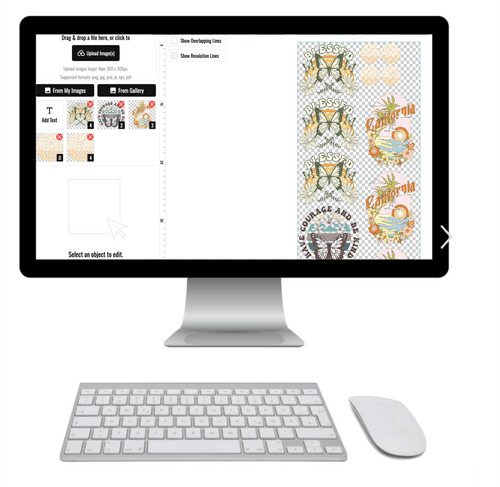
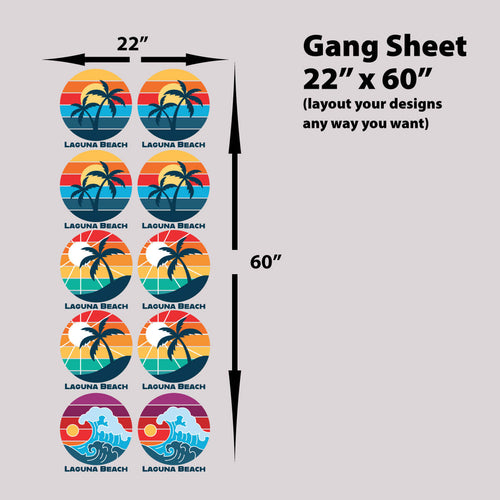
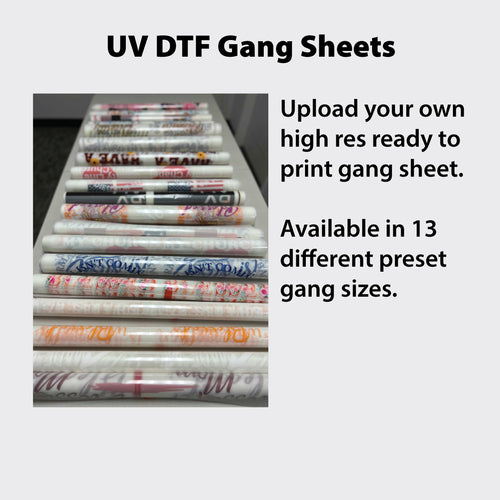
Gang sheets are the main cost-control tool for small shops. If you're ordering multiple logos, left-chest prints, neck labels, sleeve hits, or size variations, combining them on one sheet reduces waste and cuts down on extra press steps.
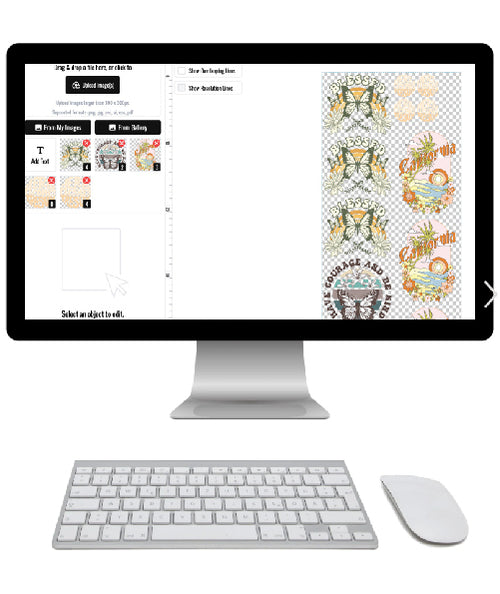
Manual gang sheet building works, but it eats time. That's why an Auto-build gang sheet builder is one of the most useful tools a supplier can offer. Instead of dragging every design into place yourself, you upload the graphics and let the system arrange them to use space more efficiently. That's faster for beginners and more economical for shops trying to protect margin.
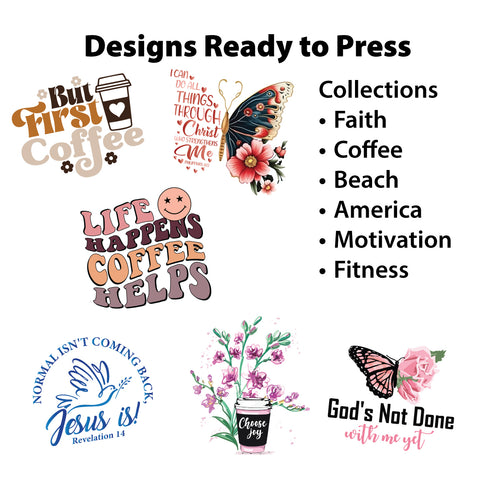
One option in this category is custom DTF transfers ready to press, where buyers can order by upload workflow rather than piecing together a clunky manual process.
If your order has several small graphics, gang sheet efficiency usually matters more than shaving a fraction off the advertised rate.
A simple ordering workflow
-
Sort your designs by size and placement
Group left chest, full front, sleeve, and tag prints separately before upload. Mixing everything at random makes proof review slower. -
Choose the right buying model
Small one-offs may be easier by image size. Multi-design orders usually belong on a gang sheet. -
Review the proof carefully
Don't skim. Check spacing, orientation, print size, and duplicates. -
Match shipping to the actual deadline
Count backward from the date you need to press, not from the date you hope the order ships.
A quick walkthrough can help if you're new to the process:
Where small shops usually lose money
They lose it in rework. A design uploaded at the wrong size. A gang sheet with dead space. A proof approved too fast. Shipping chosen without accounting for approval time. The transfer cost may look low, but the labor cost climbs.
Suppliers with a built-in designer, gang-sheet builder, and explicit production timeline are usually the safer choice because they reduce those failure points before the film is printed.
A Spotlight on Speed and Quality Lion DTF
A lot of content about where to buy dtf transfers stops at headline pricing. That's not enough if you are running orders through a press. The better comparison is how a supplier affects cost per finished garment, labor time, and reorder consistency.

Why gang sheet economics matter
One market-wide gap is that many suppliers publish per-transfer or per-inch pricing without helping buyers think through gang-sheet efficiency. As summarized in the AllDayShirts DTF reference, suppliers such as Stahls list 4¢ per square inch with no minimums, while Lion DTF lists pricing as low as $0.017 per square inch on gang sheets. The important point isn't just the low number. It's that gang-sheet layouts can materially change effective cost, especially when you're filling a sheet with repeat graphics, small logos, or mixed placements.
What that means in practice
For a new buyer, the useful part isn't the advertised floor price. It's whether the supplier gives you tools to reach efficient layouts without wasting time. That's where the Auto-build gang sheet builder earns its place. A tool that arranges uploaded designs for space efficiency helps reduce dead area and makes repeat ordering faster.
This is also where speed claims need context. Fast printing only helps if the workflow around it is clean. If the supplier also supports same-day pickup, next-day air options, artwork assistance, and straightforward customer communication, the operational value is higher because fewer jobs stall in prepress.
Good buying decisions come from matching supplier workflow to shop workflow, not from chasing the cheapest visible rate.
The bigger takeaway
The strongest suppliers aren't just selling a transfer. They're reducing friction. They make it easier to upload files, build gang sheets, correct art, reorder jobs, and hit deadlines without improvising around missing information.
That's the standard to use when you compare vendors. If the process saves time at every step, the order usually costs less in practice even before you look at the invoice total.
Post-Order Success and Troubleshooting
When the transfers arrive, don't go straight to production. Open the package, verify the order, and inspect the prints under good light. Check color, edge clarity, sheet count, and whether the artwork matches the approved proof.
A reliable pressing routine
- Run a test press first: Use a scrap garment or an extra blank before touching the full order.
- Follow the supplier's peel instructions: Hot-peel and cold-peel behavior changes the result.
- Use a real heat press: Home irons and uneven platen pressure are a common cause of failed adhesion.
- Keep settings consistent: Don't adjust temperature, time, and pressure all at once or you won't know what fixed the issue.
Common issues and the likely cause
| Problem | Likely issue |
|---|---|
| Edges lifting | Pressure too low, peel done incorrectly, or press not fully even |
| Print looks dull | Wrong temperature, poor pressure, or garment surface issue |
| Transfer won't release cleanly | Peel timing doesn't match the transfer type |
| Inconsistent results across shirts | Press setup isn't stable from garment to garment |
If something goes wrong, change one variable at a time. Start with the supplier's recommended settings. Then test pressure, then peel timing. Shops that troubleshoot methodically waste fewer garments.
The goal isn't just getting one shirt to work. The goal is getting the same result on shirt one, shirt ten, and shirt fifty.
If you want a supplier that supports gang sheets, upload-based ordering, and practical production workflows, take a look at Lion DTF Transfers. It's a straightforward option for businesses, creators, and print shops that need ready-to-press transfers with tools that help control cost and simplify ordering.