
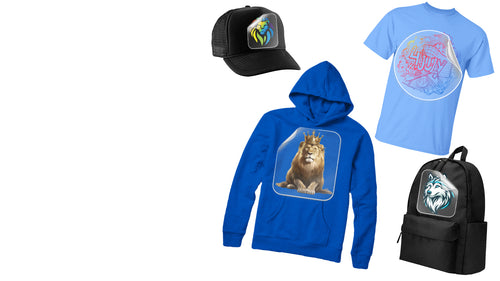



A quality DTF transfer on apparel typically lasts 50 to 100 washes, and under normal wear that often works out to about 2 to 3 years. That benchmark is real, but only when the transfer quality, heat press application, and garment care all line up the way they should.
If you're asking because you bought shirts that started peeling early, or you're trying to decide whether DTF is durable enough for your brand, team, or shop, the short version is this: DTF can last very well, but it isn't magic. Some prints die young because they were pressed badly. Others fail because the shirt gets rubbed raw by backpack straps, seatbelts, gym bags, or harsh dryer heat long before the wash count should've become a problem.
That gap is what confuses most buyers. They hear “up to 100 washes,” then see a print crack far sooner and assume DTF is the issue. In practice, the lifespan usually comes down to three things: the transfer itself, how it was applied, and how the garment gets used in actual use.
The 100 Wash Benchmark for DTF Transfers
The standard answer to what is the typical lifespan of a DTF transfer on apparel is straightforward. Industry tests and professional durability studies consistently establish that a properly applied Direct-to-Film transfer can endure between 50 and 100 wash cycles before noticeable degradation such as cracking, fading, or edge peeling occurs, according to DPI Supply's durability overview.
That number is best treated like a car's MPG rating. It's a valid benchmark, but it assumes the system is working properly and the conditions are reasonable. A transfer pressed correctly onto a good shirt and washed with care can stay sharp for a long time. A transfer pressed poorly onto a cheap garment and blasted with high dryer heat won't get close.

What one wash cycle really means
A wash cycle isn't just water exposure. In real garment life, it includes washing, drying, flexing, rubbing, and general wear between laundry days. That matters because DTF doesn't usually fail from one dramatic event. It wears down from repeated stress.
The benchmark also translates into a more familiar timeline. Properly maintained transfers commonly last 2 to 3 years on shirts under normal usage conditions, as explained in Swagify's discussion of DTF lifespan on shirts. That's why many shops tell customers the print can last as long as the garment when everything is done right.
Practical rule: Don't read “100 washes” as a guarantee. Read it as the ceiling for a well-made transfer on a well-cared-for garment.
Why the benchmark is still useful
The benchmark gives you a reliable expectation for production decisions. If you're decorating tees for a brand launch, school event, company merch run, or retail drop, 50 to 100 washes is a strong durability range. It's enough for repeat wear, and it puts DTF in serious territory rather than novelty-print territory.
A few real-world variations are worth keeping in mind:
- Heavy garments wear differently: Hoodies and sweatpants may start showing wear sooner because dense fabric can trap more moisture and heat during drying, which increases ink stress.
- Accessories can perform differently: Tote bags and caps often hold up well because they aren't washed and stretched the same way as shirts.
- Care changes the result: Inside-out washing, mild detergent, and low heat drying help move a transfer toward the high end of its lifespan.
If you want the benchmark to mean something, think in terms of process control, not just print method.
Hidden Factors That Reduce DTF Lifespan
Most durability conversations stop at washing instructions. That misses one of the biggest reasons prints fail early. Recent 2025–2026 industry studies reveal that 68% of early DTF failures in sportswear stem from mechanical stress rather than wash cycles, according to DTF Virginia's analysis of durability breakdowns.
That lines up with what print shops see every week. Athletic shirts, uniforms, workwear, and school apparel don't just go through laundry. They get dragged under backpack straps, pressed against seatbelts, scraped by equipment, and stretched while the wearer is moving.

Abrasion is the silent print killer
A transfer can survive laundering and still break down from friction. That's why chest prints under crossbody straps and shoulder prints under gear contact often age faster than a center-back design on the same shirt.
High-abrasion use usually shows up in predictable ways:
- Edge wear first: The perimeter starts lifting or looking rough before the middle fails.
- Dull surface finish: Constant rubbing can mute the print even when wash care is decent.
- Localized cracking: Stress points appear where the fabric repeatedly bends or gets pinned under pressure.
If you're troubleshooting cracking, this is worth reviewing alongside common reasons DTF transfers crack.
A shirt can be washed correctly and still wear out early if the print sits in a high-friction zone every day.
Application mistakes look like “bad durability”
A lot of early failures get blamed on detergent when the underlying cause happened at the press. If the adhesive isn't fully bonded into the fabric, the transfer may look fine on day one and still start peeling quickly once the garment is used hard.
The weak points are usually simple:
- Temperature off target: Too low and the adhesive doesn't fully activate. Too high and you can over-stress the print.
- Pressure inconsistency: Uneven pressure leaves parts of the design under-bonded.
- Timing errors: Rushing the press cycle can produce a transfer that passes a visual check but fails under wear.
Fabric choice matters too. DTF is versatile, but the garment still has to be decoration-friendly. Loose knits, unstable surfaces, heavily textured materials, or low-grade blanks create more opportunity for movement and failure. Harsh laundry chemicals make all of that worse.
The shortest path to disappointment
What doesn't work is mixing bargain transfers, inconsistent pressing, and poor aftercare, then expecting premium lifespan. Bleach, fabric softener, hot drying, and direct abrasion speed up failure. So does storing finished garments badly in damp or high-heat conditions.
When someone says their DTF print only lasted a handful of washes, the question usually isn't “Is DTF durable?” It's “Which part of the process broke first?”
How to Maximize Your DTF Transfer Longevity
Longevity starts before the shirt ever reaches the customer. If the transfer quality is inconsistent, the rest of the process becomes damage control. If the transfer is solid, you've got a real shot at reaching the high end of DTF performance.
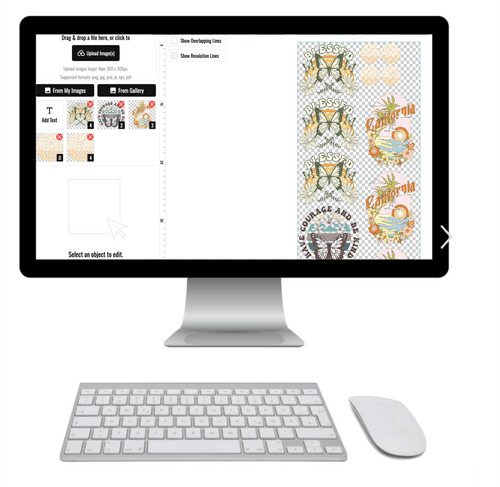
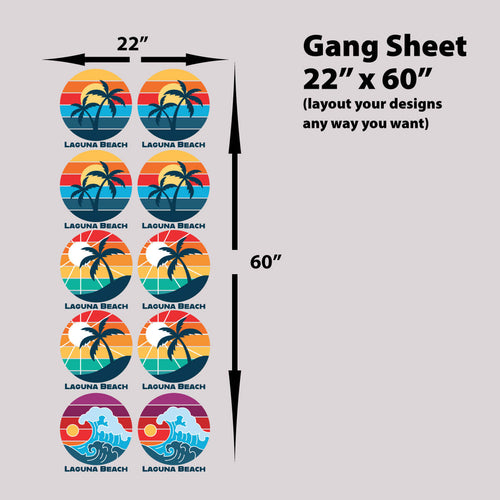
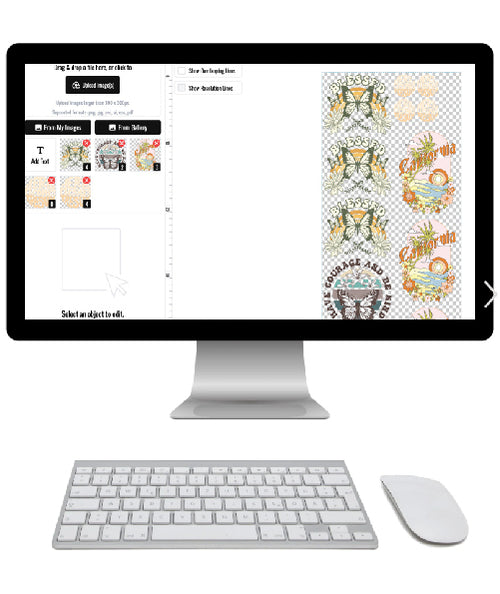
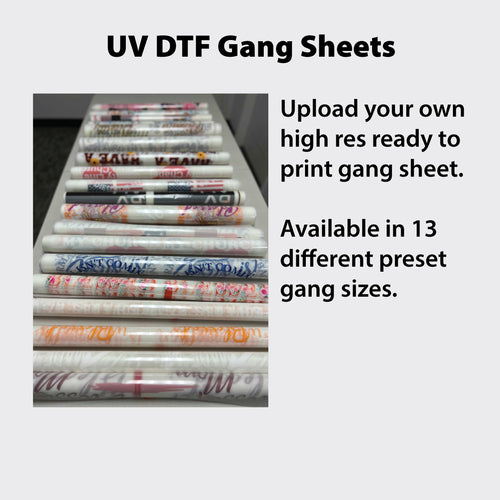
For shops, brands, and makers trying to stay efficient, an Auto-build gang sheet builder helps because it makes layout easier and more cost-effective, especially when you're combining left chest logos, full backs, sleeve hits, and neck labels on the same order instead of wasting printable space.

Start with materials worth pressing
The fastest way to cut lifespan is using transfers with weak film, poor powder coverage, or inconsistent print quality. Cheap inputs usually fail in cheap-looking ways. Corners lift, color loses punch, and the hand feel gets worse after wear.
Good production habits help more than people think:
- Choose stable artwork: Fine details and tiny disconnected elements need clean prep and proper support.
- Match the transfer to the garment use: A fashion tee, gym shirt, and heavy hoodie don't live the same life.
- Build sheets efficiently: The Auto-build gang sheet builder isn't just about convenience. It helps control cost without forcing you into random sizing or wasted layout area.
Heat press settings decide whether the print earns its lifespan
Many home shops face difficulties in this area. Data from 2025 shows that 72% of DTF durability failures in home print shops are linked to suboptimal heat press settings, not washing habits, based on this discussion of DTF heat press failure causes.
If you want consistent results, the golden trio is simple:
-
Temperature has to be correct.
The verified range tied to premature failure issues is 280°F to 310°F when settings are off. Being outside the proper target can leave layers uncured or stressed. -
Pressure has to be real pressure.
The problem range cited in failure discussions includes 3 to 5 bar when pressure isn't properly dialed in. What matters in practice is even contact across the whole design. -
Time has to be long enough to bond.
The cited failure window includes 5 to 15 seconds when shops miss the needed cure. Too short is the common mistake.
For a deeper practical reference, review heat press settings for DTF.
Shop-floor advice: If a transfer peels early, check press accuracy before you blame the wash routine.
A visual walkthrough helps if you're training staff or dialing in a home setup:
Aftercare that actually extends print life
Post-press care isn't optional if you want the transfer to keep its flexibility and edge hold. According to Mad Monkey Transfers' care guidance for DTF lifespan, waiting 24 hours before the first wash, turning garments inside out, washing in cold water on a gentle cycle, avoiding bleach and fabric softeners, and air drying or tumble drying on low heat can push performance beyond the standard lifespan range.
Give customers these instructions in plain language:
- Wait before washing: Let the bond settle for 24 hours after pressing.
- Turn it inside out: This reduces surface abrasion in the wash.
- Use mild laundry settings: Cold water and a gentle cycle are safer than aggressive washing.
- Skip chemical shortcuts: Bleach and fabric softeners shorten transfer life.
- Keep dryer heat low: Air drying is best. Low tumble is the safer machine option.
That combination does more for durability than commonly understood.
DTF Durability vs Other Print Methods
DTF sits in a useful middle ground. It gives you full-color flexibility across many fabrics, with durability that compares well against established methods. It isn't the answer for every use case, but it's far stronger than many buyers assume.

Print Method Durability Comparison
| Method | Typical Lifespan (Wash Cycles) | Feel & Flexibility | Best For |
|---|---|---|---|
| DTF | 50 to 100 washes | Soft to moderate hand feel, flexible, good detail | Multi-fabric apparel, full-color graphics, short runs |
| Screen Printing | Similar lifespan to DTF under comparable conditions | Smooth on many jobs, durable, strong color laydown | Bulk runs, simple spot-color designs |
| DTG | Shorter lifespan than DTF in many practical uses | Soft feel, high detail on suitable garments | Cotton-heavy photographic prints |
| HTV | Typically shorter lifespan than DTF | Can feel thicker or stiffer, especially on larger areas | Names, numbers, simple cut graphics |
| Dye Sublimation | Lasts for the garment life on compatible substrates | No hand feel because color is embedded | Polyester garments and performance wear |
The DTF wash range above comes from the benchmark already established earlier. The broader comparison is qualitative because print feel, cracking resistance, and garment compatibility vary heavily by setup and material quality.
Where DTF wins and where it doesn't
DTF's biggest strength is versatility. It works across cotton, polyester, and blends without forcing you into the constraints of sublimation. It also handles detailed artwork more easily than traditional vinyl.
Screen printing still earns its place for larger-volume production and simple graphics. Dye sublimation remains unmatched when the garment is polyester and you want zero hand feel. HTV still makes sense for basic personalization.
For many brands and small shops, DTF becomes the practical default because it balances detail, flexibility, and durability better than most alternatives. If you're comparing digital methods specifically, this breakdown of DTF vs DTG printing is a useful next read.
The right question isn't “Which print method lasts forever?” It's “Which method fits the garment, artwork, and use case without creating avoidable failure points?”
Frequently Asked Questions About DTF Lifespan
Do DTF transfers crack or peel over time
They can, but that usually points to stress, poor pressing, or bad care rather than an automatic flaw in the method. Well-applied DTF stays flexible for a long time. Early cracking often shows up where the print gets bent, rubbed, or under-cured.
How long do unpressed DTF transfers last in storage
Unused DTF transfers have a shelf life of up to 3 years when stored properly in flat, airtight containers with silica gel packets in a cool, dry environment, according to DTF SATX's storage guidance for transfer lifespan. If you buy ahead for seasonal jobs or keep gang sheets ready for repeat orders, storage conditions matter.
Can you iron over a DTF print
Don't iron directly on the printed surface. Direct heat can damage the finish and weaken the transfer. If the garment needs wrinkle removal, turn it inside out or place a protective layer between the iron and fabric.
Why did my print fail long before it should have
Most early failures come from one of two places: abrasion or pressing mistakes. A shirt used in sports, workwear, school uniforms, or daily commuting sees a lot more punishment than a casual retail tee. If the press settings were off from the start, the print may never have had a fair chance.
Does garment type affect lifespan
Yes. Shirts, hoodies, tote bags, and caps all wear differently. Stretch, surface texture, drying behavior, and daily friction change how long the transfer keeps its original look.
If you want durable, professional-quality transfers without wasting material or setup time, Lion DTF Transfers is built for that. You can order ready-to-press transfers, upload print-ready files, or use the Auto-build gang sheet builder to make custom layouts fast and cost-effective for brands, shops, events, and repeat production.