



You’ve got a design ready to go. Maybe it’s a left-chest logo for a plumbing company, a full-front graphic for your first merch drop, or team shirts that need to look sharp by the weekend. The usual question comes next. What is a heat press, and do you need one?
If you want apparel that looks professional and holds up in real use, the answer is usually yes. A home iron can stick something down for the moment. A proper heat press gives you repeatable results you can sell, gift, or hand to a customer without worrying that the print will peel after the first wash.
A lot of people first think of a heat press as a craft machine. In practice, it’s a production tool. It’s the bridge between digital artwork and a finished product you can fold, bag, and ship. That matters whether you run a print shop, sell online, outfit a booster club, or make custom pieces on evenings and weekends.
Your Gateway to Custom Apparel
The first real sign that you need a heat press usually is not the machine itself. It is the moment a simple shirt request turns into five sizes, two garment colors, and a customer who expects the print to survive regular washing.
That is why small shops and side-hustle brands end up buying one. A heat press gives you a controlled way to turn artwork and transfers into finished products you can sell with confidence.
A heat press is a machine that applies set heat, pressure, and dwell time to bond a design onto a surface such as a T-shirt, hoodie, tote, hat, mug, or other blank item. In day-to-day production, that matters less as a textbook definition and more as a quality standard. If you are pressing HTV, sublimation, or especially DTF transfers, the machine decides whether the result looks shop-made or homemade.
For DTF work, that distinction shows up fast. A transfer can have great color and sharp detail straight out of the package, but the final result still depends on clean placement, even pressure, and consistent heat across the platen. I have seen good artwork fail because the press ran cool in one corner or because the operator guessed on pressure. The transfer gets blamed, but the application was the problem.
A good heat press also makes small-batch production practical. You can run one replacement shirt without setting up a whole print job. You can test a new design on a single sample, adjust placement, and press the next one with the same settings. That flexibility is a big reason custom apparel businesses keep one at the center of the shop.
Practical rule: If the print needs to look professional and last, the press matters almost as much as the transfer.
Control is the key selling point. You decide how consistently each piece is produced, how repeatable your results are, and whether the customer gets something that feels like promo giveaway quality or retail-ready apparel.
How a Heat Press Unlocks Professional Results
The simplest way to explain what is a heat press is this. It’s a high-control press that uses time, temperature, and pressure together to bond a design to a substrate.

A better way to think about it is a shop-grade sandwich press. The garment goes on the lower platen. The transfer goes on top. The upper platen comes down with controlled force and heat, and the adhesive or ink system activates in a way that a household iron can’t match.
A heat press is a precision-engineered machine that applies controlled heat, pressure, and time, often called the heat press trinity, to activate adhesives and liquefy inks for permanent bonding on substrates. The upper platen houses a serpentine heating coil that helps distribute heat evenly across the surface, avoiding cold spots that lead to failed transfers, as explained in Transfer Express’s heat press anatomy guide.
The three settings that decide your result
If your transfers peel, scorch, or feel inconsistent, one of these is usually off.
- Temperature decides whether the adhesive or ink system activates correctly. Too low, and the bond stays weak. Too high, and you can damage the transfer or the fabric.
- Time controls how long the material stays under heat. Short cycles can leave undercured areas. Long cycles can flatten fibers or overcook the print.
- Pressure is where many beginners struggle. Good pressure creates even contact across the entire transfer. Weak or uneven pressure leaves edges and small details vulnerable.
These settings work together. You can’t usually “fix” bad pressure by adding more time. You can’t solve poor heat distribution by cranking up the temperature and hoping for the best.
Why platen quality matters more than beginners expect
A press can look solid and still perform badly. The giveaway is often the platen.
The upper platen is where the machine earns its keep. Better presses use platen construction and coil layouts that hold heat evenly across the surface. Inferior presses often create hot areas, cool areas, and weak edge performance. That’s where you see transfers that look fine in the center but fail near a corner.
Good artwork won’t overcome bad pressure or uneven heat.
There’s also recovery time. In a real shop, you aren’t pressing one shirt and walking away. You’re cycling through jobs. A press that loses heat during repeated use slows you down and introduces inconsistency from one garment to the next.
What professional operation looks like
A pro doesn’t just close the press and hope. They build a repeatable habit:
- Preheat the machine fully
- Check the transfer instructions
- Pre-press the garment to remove moisture and wrinkles
- Align the design carefully
- Apply the right settings
- Peel and finish exactly as the transfer requires
That routine is why a proper heat press produces work that feels reliable. The machine gives you control. Your discipline turns that control into quality.
Choosing Your Press Clamshell vs Swing-Away and More
Not every heat press fits every shop. Some are built for tight workspaces and fast T-shirt production. Others make more sense when you press thicker items, need better placement access, or want safer loading.

Heat presses are suited for different production scales. Clamshell models are affordable and space-saving, which makes them a common fit for small shops, while swing-away designs provide better, more even pressure for thicker items. Cheap clamshells can struggle with even pressure, especially on items over 2 cm thick, as noted in Heat Press Nation’s guide to heat press types.
Clamshell presses
A clamshell opens upward and closes like the name suggests. If you’ve got limited counter space, this style usually gets the first look.
What works
- Small footprint: It fits where a swing-away might not.
- Fast open and close motion: Good for simple, flat garments.
- Straightforward workflow: Easy for new operators to learn.
What doesn’t
- Less clearance: Placement can feel cramped.
- Heat near your hands: You need to work carefully.
- Pressure limitations on bulky items: Hoodies with seams, thick garments, and layered products can expose weak spots.
A good clamshell can do excellent work. A badly built one can waste transfers fast.
Swing-away presses
A swing-away moves the upper platen off to the side. That extra motion takes more room, but it gives you better access and usually a calmer loading experience.
Here’s where they shine:
| Press type | Best use | Main advantage | Main trade-off |
|---|---|---|---|
| Clamshell | Flat garments in tight spaces | Compact and quick | Less forgiving on thick items |
| Swing-away | Mixed products and thicker materials | Better access and even pressure | Needs more workspace |
| Draw press | Easy loading and positioning | Comfortable garment setup | Larger footprint than many clamshells |
If you handle varied orders, a swing-away often feels easier to live with. You can lay out the garment without reaching under a hot platen, and that alone reduces placement mistakes.
For a deeper practical breakdown, this swing-away heat press guide is worth reading before you buy.
Drawer-style and specialty presses
Drawer presses slide the lower platen out toward you. They’re comfortable for loading and especially nice when you want better visibility during placement. They aren’t always the smallest option, but they make setup easier.
Specialty presses exist for hats, mugs, and other shaped items. They’re useful when those products are core to your business. They’re not the best first purchase if shirts are your main work.
Buy for the jobs you expect every week, not the one unusual order you might get once.
Why Choose a Heat Press Over Other Methods
A customer orders 12 shirts for a Saturday event on Thursday afternoon. Two need youth sizes, three need different names, and the art is full color. That kind of job tells you quickly whether your production method fits the way small businesses sell.

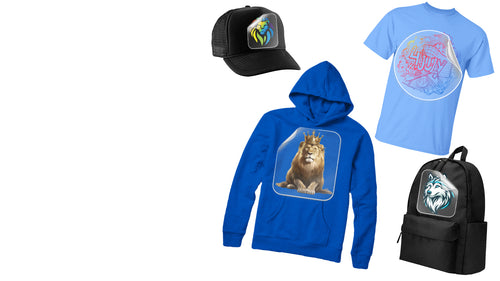
A heat press earns its place because it handles that mix of speed, customization, and consistency better than many other setups. For shops using DTF transfers, it turns detailed artwork into a practical production method instead of a slow, manual process. You can run one shirt or fifty, keep artwork sharp, and repeat the same result if your temperature, pressure, and dwell time stay under control.
Heat press versus screen printing
Screen printing still makes sense for long runs of the same design. If a school wants a few hundred identical field day shirts, screen printing can be the more efficient choice on cost per piece.
Small mixed orders are different. Screens take setup time. Art changes create more prep. Short runs can tie up labor that never gets paid back. For a shop taking custom names, event merch, staff shirts, and reorders in uneven quantities, a heat press paired with ready-to-press transfers is usually easier to keep profitable.
That is the trade-off. Screen printing rewards volume. Heat pressing rewards flexibility.
Heat press versus HTV
HTV works well for basic lettering, names, numbers, and simple spot-color designs. It is also a reasonable starting point for very small sellers because the equipment cost can be low.
The slowdown shows up in production. Detailed graphics mean more cutting, more weeding, and more chances to lose time on tiny pieces. Multi-color work adds layers and handling. With DTF transfers, the design arrives ready to place, so the press operator spends more time producing and less time babysitting vinyl.
If you want cleaner repeatability on full-color graphics, solid press technique matters as much as the machine itself. A good DTF heat press settings guide for temperature, pressure, and press time helps prevent the common mistakes that waste shirts and weaken adhesion.
Why small operators keep choosing a heat press
A heat press fits the rhythm of small-batch apparel. Orders come in unevenly. Customers change quantities. One design ends up on cotton tees, fleece hoodies, and polyester blends in the same week.
That matters for businesses that need to stay responsive:
- E-commerce sellers filling mixed daily orders
- Local shops handling rush jobs and personalizations
- Schools, teams, and clubs needing short runs without a long setup cycle
- Creators and brand owners testing designs before committing to larger volumes
The biggest advantage is control. You can test placement, adjust settings, rerun proven jobs, and keep production in-house instead of waiting on finished goods from someone else. For DTF in particular, that control is what separates hobby-level output from shirts customers wash, wear, and reorder with confidence.
The Ultimate Guide to Pressing DTF Transfers
DTF is where many shops and creators see the biggest payoff from a heat press. It combines strong visual detail with a workflow that’s practical for small runs, custom orders, and fast reorders.

Standard heat presses can handle several decoration methods, but DTF needs its own settings. A common working range is 240-280°F for 10 seconds with medium-firm pressure, followed by a second press to improve hot-peel adhesion and durability on fabrics like cotton and polyester blends, according to this DTF heat press settings guide.
A reliable DTF pressing routine
If you want professional-looking output, keep the process boring in the best way. Repeatable beats creative when the platen comes down.
-
Start with a clean garment
Lint, moisture, and wrinkles all interfere with adhesion. A quick pre-press helps flatten the print area and prepares the fabric. -
Set the machine within the transfer’s recommended range
DTF is forgiving compared with some methods, but guessing still causes trouble. Keep your settings consistent. -
Place the transfer carefully
Don’t rush alignment. A crooked press on a premium blank still looks cheap. -
Press with medium-firm pressure
Pressure matters with DTF because the adhesive needs even contact across the full print. -
Peel as directed
If the transfer is designed for hot peel, treat it like hot peel. Don’t invent your own timing in the middle of production. -
Repress to finish
The second press helps settle the print into the garment and improves the final hand and bond.
Common mistakes that ruin DTF results
Most failed DTF applications come from a small handful of problems.
- Too little pressure: Edges don’t bond well, and fine details can lift.
- Uneven heating: One part of the design cures differently from another.
- Skipping the repress: The print may look acceptable at first but won’t feel as finished.
- Pressing over seams or zippers without adjustment: Contact becomes inconsistent.
If a transfer keeps failing, stop changing three variables at once. Lock in the garment, lock in the artwork, then test one setting at a time.
That troubleshooting discipline saves a lot of wasted material.
Gang sheets make the press more profitable
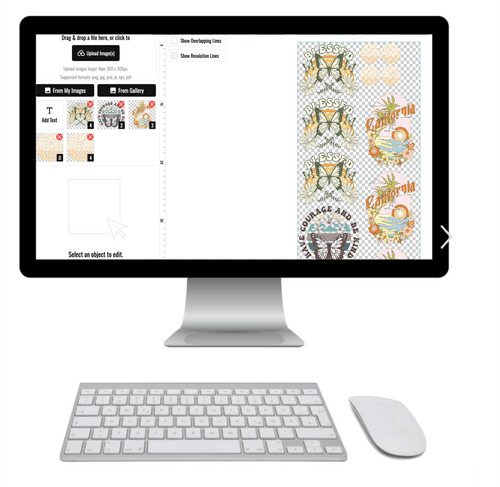
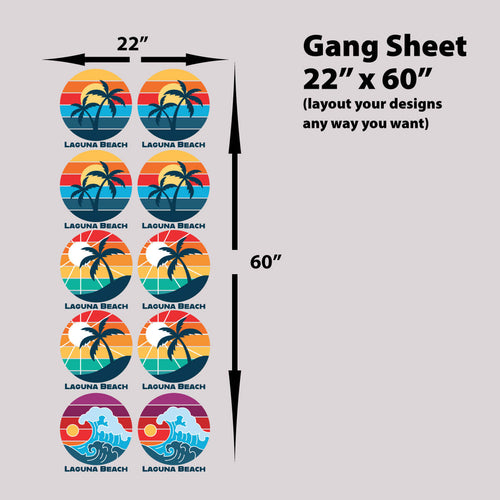
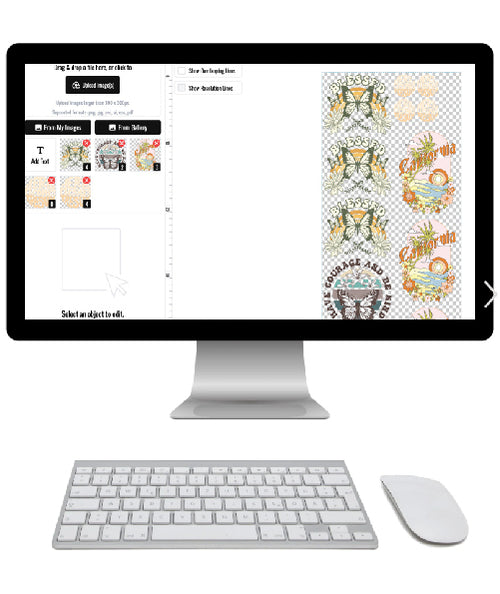
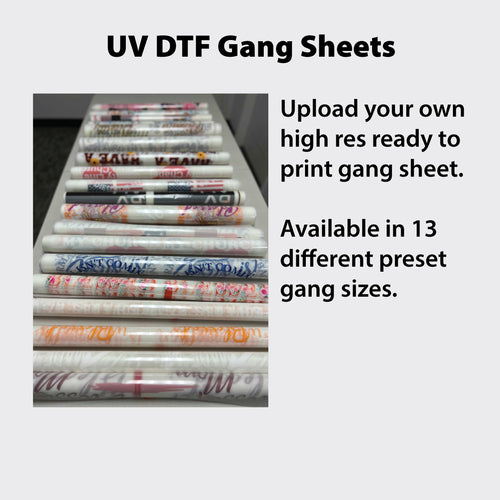
One of the smartest ways to use a heat press with DTF is by building gang sheets. Instead of ordering one design per sheet, you arrange multiple logos, sizes, names, or graphics together on one layout.
That matters because it cuts waste and makes each pressing session more efficient. For small brands, school orders, and mixed custom jobs, gang sheets can turn scattered artwork into a more organized production run.
An Auto-build gang sheet builder makes this especially useful. You upload your designs, let the builder arrange them efficiently, and spend less time manually fitting pieces together. It’s easier to use, more cost-effective, and better suited to real-world ordering where artwork sizes vary from one job to the next.
A detailed reference for setup and troubleshooting is this guide to heat press settings for DTF.
Before you run a large order, it helps to watch the process in motion and compare your setup habits to a clean pressing routine.
What good DTF pressing looks like after the peel
A good press looks flat, clean, and intentional. You shouldn’t see random silvering, loose corners, or patchy texture where one area bonded better than another.
The finished print should look like it belongs on the garment, not like it was reluctantly attached to it.
Essential Safety Maintenance and Buying Guide
Buying a heat press is easy. Owning one well takes more judgment.
A lot of beginners focus on platen size first and price second. In practice, I’d put heat consistency, pressure control, and build quality at the top of the list. Entry-level presses under $300 are enough for 80% of DTF gang sheet users who are just starting, but long-term success depends heavily on accurate pressure dials and even heating so you don’t scorch delicate DTF films, as summarized in this beginner-oriented heat press reference.
What to look for before you buy
Forget marketing language for a moment. Check for the things that affect daily output.
- Even heat across the platen: This is essential for transfer consistency.
- Accurate controls: You need settings you can trust from one run to the next.
- Pressure adjustment that feels solid: If pressure is vague, production becomes guesswork.
- A layout that fits your workspace: A machine you can’t load comfortably becomes a problem fast.
- Support and replacement parts: Equipment eventually needs attention.
If you’re starting out, this beginner heat press buying guide can help you narrow the field without overbuying.
Safety rules that actually matter
Heat presses are simple to operate, but they’re still hot machines with moving parts. Basic habits prevent most accidents.
- Keep the area clear: Don’t crowd the press with tools, packaging, or loose garments.
- Watch hand placement: Especially on clamshell models, the hot zone is easy to drift into.
- Use stable power and a proper surface: A wobbling stand makes every job worse.
- Stay present during operation: Don’t walk off and multitask through active pressing cycles.
A heat press rewards attention. It also punishes sloppy habits faster than most shop tools.
Maintenance that protects your investment
A heat press doesn’t need complicated maintenance, but it does need regular care.
Here’s a practical routine:
| Task | Why it matters | Habit |
|---|---|---|
| Clean the platen surface | Residue can transfer to garments | Wipe after production sessions |
| Inspect pressure feel | Changes can signal wear or misadjustment | Check before larger jobs |
| Look over cords and controls | Electrical issues should never be ignored | Include in weekly checks |
| Keep the lower pad in good condition | Worn surfaces reduce consistency | Replace when performance drops |
The goal isn’t perfection. The goal is catching small problems before they become ruined orders.
Frequently Asked Questions About Heat Presses
Can I use a home iron instead of a heat press
You can try, but it’s not a professional substitute. Irons don’t deliver even pressure across a full design, and their temperature consistency isn’t built for production. That usually shows up as partial adhesion, shifting, or weak edges.
For casual experiments, an iron might get something stuck down. For products you plan to sell or hand to a customer, a heat press is the right tool.
What can I make besides T-shirts
Quite a lot, depending on your press and transfer method.
Common examples include:
- Hoodies and sweatshirts
- Tote bags
- Jerseys
- Aprons
- Hat blanks with the right specialty press
- Mugs and other shaped items with dedicated attachments or machines
The key is matching the press style and transfer type to the product. Flat platens handle flat goods best.
How do I know if my pressure is right
Use a simple paper test. Place copy paper between the platens and close the press. You should feel slight resistance when pulling the paper. Check more than one area if you suspect unevenness.
If one corner grabs and another slides freely, your pressure or contact isn’t even. Fix that before you run production.
Why do some transfers peel or crack after pressing
Usually because one part of the application was off. Common causes include incorrect temperature, weak pressure, poor placement on a seam or uneven area, or skipping the finishing press when the transfer requires one.
It can also come from trying to press too fast before the machine is fully ready.
Is a bigger press always better
No. Bigger platens help with larger graphics and bulkier garments, but they also take up space and can be more than you need. Buy for your typical order size, not the rare oversized job.
What’s the smartest way to save money on transfer production
For many small businesses, it’s using gang sheets well. An Auto-build gang sheet builder helps pack multiple designs efficiently so you waste less space and reduce cost across mixed orders. That’s one of the easiest ways to improve margin without cutting quality.
If you're ready to turn designs into clean, durable finished products, Lion DTF Transfers makes the process easier. You can order ready-to-press transfers, build efficient gang sheets with the Auto-build gang sheet builder, and get the kind of fast turnaround that helps small shops, brands, and creators stay on schedule.