



Ever see a creator launch a full apparel line overnight with zero stock? That’s the magic of print on demand (POD). It's a business model that has completely changed the game for entrepreneurs because it rips down the old barriers to entry.
Instead of sinking thousands into bulk inventory that might just gather dust, you can test ideas, drop new designs on a whim, and build a real brand with almost no financial risk. This frees you up to focus on the fun stuff: making killer designs and actually talking to your customers.
Why Print On Demand Is Your Next Big Move
The best part about starting a print on demand business is how lean and agile it is. You get to sidestep all the classic retail nightmares like overstock, storage fees, and dead inventory. The entire model is built for quick pivots and easy growth, letting you scale at a pace that works for you, not your wallet.

A Low-Risk, High-Reward Opportunity
This isn't just theory; the benefits are real and they make a huge difference.
- Minimal Financial Risk: You don’t pay for a product until after a customer has already paid you for it. Simple as that.
- No Inventory Headaches: Forget about boxes taking over your garage. Your POD partner handles all the printing, packing, and shipping.
- Endless Scalability: Want to add 10 new t-shirt designs or a whole new product line? You can do it in minutes with no extra investment.
- Total Creative Freedom: Pour all your energy into creating unique products that your audience will actually want to buy.
The real power of POD is that it gives anyone with an idea—an artist, a local influencer, a side-hustler—a legitimate shot at building a brand. You don't need a huge loan or connections to a factory anymore.
And the timing couldn't be better. The global POD market was valued at around $13 billion in 2025 and is projected to explode to over $100 billion by 2034. That’s a massive runway for growth.
Quality That Actually Builds a Brand
Let's get one thing straight: modern POD quality is incredible. We're long past the days of stiff, peeling graphics that crack after one wash.
Today's tech, especially Direct-to-Film (DTF) transfers, lets you produce premium, retail-quality apparel. The prints are soft, durable, and incredibly vibrant—the kind of quality that gets people to buy again and builds a loyal following. To get a better feel for how it all fits together, you can read more about the print on demand business model and see how the pieces work.
Finding a Niche That Actually Sells
Let's be real: success in print-on-demand isn't about selling to everyone. It's about finding the right people and connecting with them on a deeper level. The single biggest mistake I see new entrepreneurs make is aiming too broad with generic ideas like "funny shirts." That's a surefire way to get lost in an ocean of competition.
The secret sauce is finding a profitable niche—a dedicated community of people who share a real passion. You need to stop thinking in broad categories and start thinking about specific subcultures. Instead of just "fitness," think "apparel for female powerlifters." Instead of "pets," drill down to "gear for corgi owners who love to go hiking." That level of specificity isn't a limitation; it's your greatest weapon.
Moving From Passion to Profit
Your best ideas will almost always start with what you already know and love. Are you obsessed with a particular hobby, a cult-classic TV show, or a certain lifestyle? When you're genuinely part of a community, you get the inside jokes, understand the unique language, and know what people actually want. That kind of authenticity is impossible to fake, and it builds instant trust.
But passion alone won't pay the bills. You have to make sure there's a market for it.
- Combine Interests: Mash two or more passions together to create something totally unique. "Cat lovers" is way too broad, but "cat lovers who are also obsessed with vintage horror movies"? Now you've got a highly specific, underserved audience.
- Solve a Problem: Look for groups that are being ignored by bigger brands. Maybe rock climbers are sick of the generic gear and want apparel with cool, minimalist designs that actually speak to them.
- Serve an Identity: People love buying products that reflect who they are. Think about professions (nurses, teachers, electricians), family roles (dog moms, new dads), or personal values (sustainability, mental health awareness).
A niche isn’t just about the product; it’s about the person you're selling to. When you know exactly who your ideal customer is, every decision—from design to marketing—becomes ten times easier.
Research and Validate Your Niche Idea
Got a few ideas swirling? Great. Now it's time to see if they actually have legs. Whatever you do, don't skip this step. This is how you avoid building a store full of awesome products that nobody ever buys.
Start by using online tools to see if people are actually looking for this stuff. Google Trends is a fantastic free resource to check if a topic's interest is growing, stable, or fading away. Then, dive into platforms like Etsy, Amazon, and Redbubble. Search for your niche keywords. Are other people selling similar things? Is the quality any good? A total lack of competition might just be a golden opportunity.
Next, find where these people hang out online. Subreddits, Facebook Groups, and Instagram hashtags are absolute goldmines for research.
- Listen to the Language: Pay attention to the phrases, jokes, and slang they use. This is pure design inspiration.
- Identify Pain Points: What are they complaining about? Maybe they can never find merchandise that truly gets their community right.
- Gauge Buying Intent: Look for signs that they're already spending money. Are people in these groups sharing pictures of products they've bought? That's a massive signal of a hungry market.
Define Your Ideal Customer Avatar
Once you've validated your niche, it's time to get crystal clear on who you're selling to by creating a customer avatar. This isn't just a boring demographic exercise; it's about building a picture of a real person.
Give them a name, an age, a job, and hobbies. What are their goals? Their struggles? Where do they scroll online? What kind of humor do they have? Knowing this stuff helps you craft a brand story and designs that feel like they were made just for them.
For example, if your niche is "urban gardeners," your customer avatar might be "Sarah, a 32-year-old apartment dweller who follows gardening influencers on Instagram and only buys eco-friendly products." This clarity informs everything you do. You'll know which colors to use, what kind of slogans to write, and even which types of blank apparel to print on. To get a head start on that last part, you can check out our recommendations for top wholesale blank apparel suppliers to find garments that match your brand's quality and vibe. This level of detail is what turns a simple shop into a real brand that a community can get behind.
Bringing Your Product Designs to Life
Okay, you've locked in your niche. Now for the fun part: turning those ideas swirling in your head into actual, tangible products people will want to buy. The best news? You don't need a graphic design degree to create incredible, sellable artwork for your print-on-demand business.
Plenty of accessible tools out there make design work a breeze. Platforms like Canva are fantastic for beginners, with user-friendly templates and drag-and-drop features. For those who want total creative freedom, more advanced software like Adobe Illustrator or the free powerhouse Inkscape are the way to go.
No matter what you use, the golden rule is to create high-resolution files. We're talking at least 300 DPI with a transparent background. This is non-negotiable if you want your prints to look sharp and professional on any product.

Following this flow—from passion to research to validation—ensures you're not just designing blindly. You're creating art for an audience that’s already looking for what you have to offer.
Why DTF Transfers Are a Game-Changer for Quality
The printing method you choose is a huge deal. It directly impacts your product's quality, how long it lasts, and ultimately, your brand's reputation. While there are a few options out there, Direct-to-Film (DTF) transfers have quickly become the go-to for entrepreneurs who refuse to cut corners on quality.
Unlike older methods that can leave prints feeling stiff, plasticky, or prone to fading, DTF prints are known for their incredibly soft feel, vibrant colors, and serious durability. The design is printed onto a special film and then heat-pressed onto the garment. This creates a bond that’s flexible yet tough enough to last over 100 washes without cracking or losing its punch.
The industry has taken notice. The DTF market is exploding, with a projected 28.15% compound annual growth rate. Why? Because it works beautifully on a huge range of fabrics (cotton, poly, blends, you name it) without needing pre-treatment, and it’s way faster for production runs.
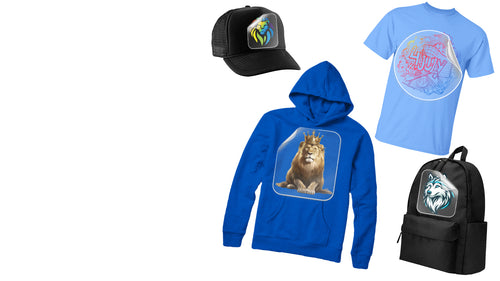
The biggest win with DTF is consistency. You can offer the exact same high-quality, vibrant design on a cotton tee, a polyester hoodie, or even a denim jacket. That kind of versatility from a single piece of artwork is a massive advantage for any brand.
To help you see how it stacks up, here's a quick comparison of the most common printing methods.
DTF vs Other Printing Methods
| Feature | DTF (Direct-to-Film) | DTG (Direct-to-Garment) | Screen Printing |
|---|---|---|---|
| Feel & Durability | Soft, flexible, and highly durable. Excellent wash resistance. | Soft, breathable feel but can fade faster on some fabrics. | Can feel thick or heavy. Very durable but prone to cracking over time. |
| Fabric Versatility | Works on cotton, polyester, blends, denim, and more. No pre-treatment needed. | Best on 100% cotton. Requires pre-treatment for dark garments. | Works on most fabrics but may require different ink types. |
| Color Vibrancy | Excellent. White ink base makes colors pop on any garment color. | Good, but can appear less vibrant on dark garments. | Excellent, with bright, opaque colors. |
| Detail & Complexity | Perfect for intricate, full-color designs and photographic prints. | Good for detailed designs, but can struggle with fine lines. | Best for simple, bold graphics with limited colors. |
| Best For | Small to medium runs, on-demand printing, and versatile product lines. | One-off prints, highly detailed art on cotton. | Large bulk orders (100+ units) of the same design. |
As you can see, DTF hits the sweet spot for most new and growing apparel brands, offering top-tier quality without the high setup costs or material limitations of other methods.
How to Streamline Production and Protect Your Profits
Coming up with awesome designs is one thing. Getting them printed efficiently and affordably is what actually makes you money. This is where your choice of a printing partner becomes so important. The goal is to squeeze every bit of value out of each print run, big or small.
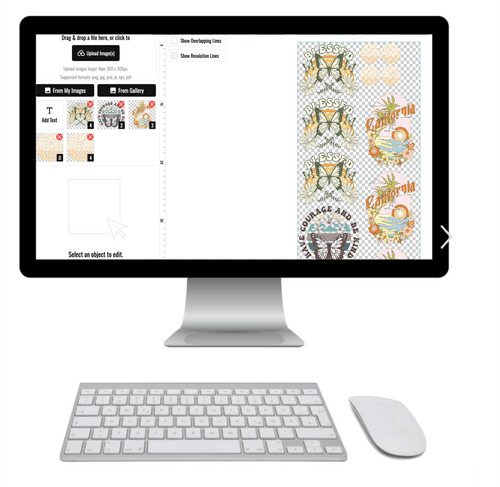
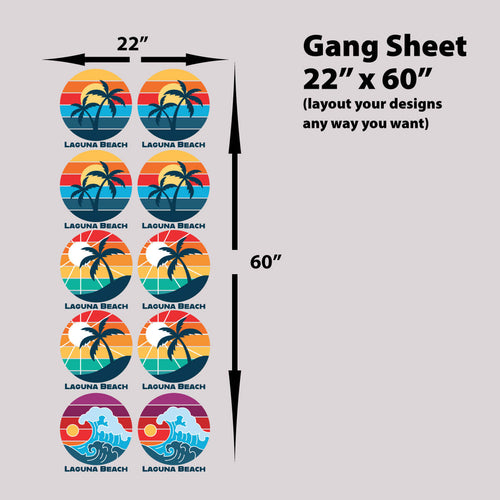
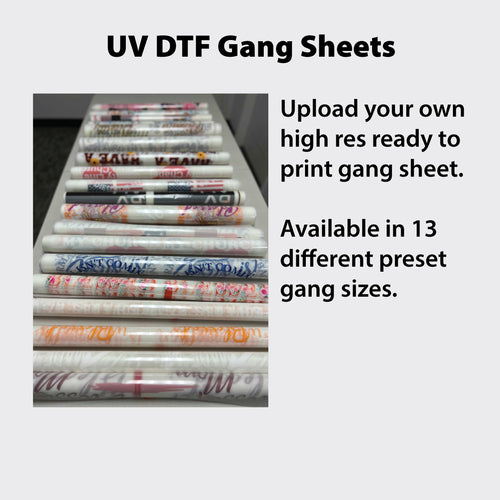
When you order DTF transfers, your designs are printed onto large sheets called "gang sheets." If you've ever tried to manually arrange a dozen different designs onto one of these sheets, you know how frustrating it is. It's a game of digital Tetris that often leaves awkward blank spaces—and wasted space is wasted money.
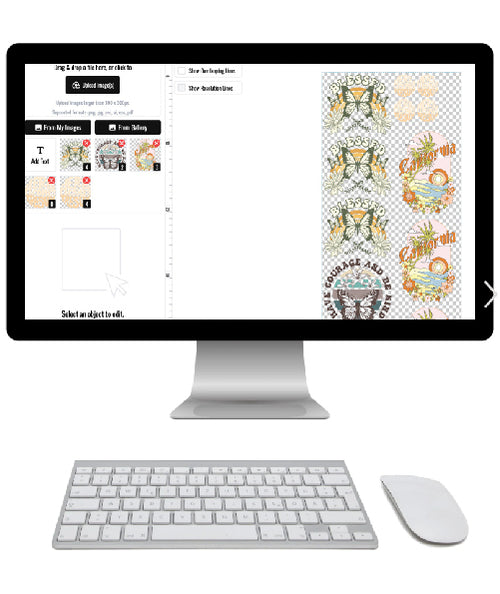
This is exactly why we built our Auto-build gang sheet builder. It’s a simple tool designed to make your life easier and your business more profitable due to its ease of use and cost effectiveness.
Here’s the process:
- Upload Your Designs: Just drag and drop all the individual artwork files you need printed.
- Set Your Quantities: Tell the tool how many of each design you need.
- Let it Work Its Magic: In seconds, the builder intelligently nests all your designs together on the gang sheet, eliminating empty space and maximizing every last inch of film.
This automated process means you’re not just printing; you’re printing in the most cost-effective way possible. By fitting more designs onto a single sheet, you slash your cost per print. That savings goes right back into your pocket, letting you either boost your profit margins or offer more competitive prices.
For anyone serious about building a print-on-demand business, mastering these little operational details is what separates the hobbyists from the pros. If you want a deeper dive into the creative side, check out our guide on how to create your own t-shirt designs for more practical tips.
Building Your E-commerce Storefront
Alright, your designs are dialed in and you've locked down your niche. Now, you need a place for your brand to live online. When you're starting a print on demand business, your e-commerce storefront is so much more than just a product catalog—it's your virtual headquarters, your first impression, and the engine that drives your sales. Nailing this part is what turns window shoppers into loyal fans.

The first big choice you'll make is where to sell. You've basically got two main paths, and each one comes with its own set of pros and cons depending on what you're trying to achieve.
Marketplaces vs. Your Own Store
Jumping onto an online marketplace like Etsy is like setting up a booth at a massive, bustling flea market. You get instant access to a huge crowd of people who are already there specifically to buy unique stuff. This is an awesome way to test your designs and snag your first sales without having to figure out how to drive all your own traffic. The trade-off? You're surrounded by competition and have very little control over your branding or the overall customer experience.
On the other hand, building your own store on a platform like Shopify is like opening your own standalone boutique. It takes more work up front to get people in the door, but you get total control over your brand's look, feel, and future. You’re not just another seller in a sea of competitors; you're building a real, long-term asset.
Here's a quick look at how they stack up.
| Feature | Etsy (Marketplace) | Shopify (Your Own Store) |
|---|---|---|
| Audience | Huge, built-in audience of buyers. | You must build your own traffic. |
| Branding | Limited. Your store must fit Etsy's layout. | Total control over branding and design. |
| Competition | Extremely high, directly beside competitors. | You control the entire shopping environment. |
| Best For | Beginners testing ideas and seeking quick visibility. | Entrepreneurs focused on long-term brand building. |
Here's a common strategy I've seen work well: Many successful brands actually start out on Etsy to prove their products will sell. Once they've got a winning concept and a small customer base, they launch a dedicated Shopify store to really grow their brand.
Crafting a Store That Converts
Once you’ve picked your platform, your next job is to set up a storefront that looks professional and feels trustworthy. This is where your brand actually comes to life. First things first, grab a memorable domain name. Keep it simple, relevant to your niche, and easy for people to spell.
Next, get serious about your product presentation. High-quality mockups are non-negotiable. They are the single most important visual that will convince someone to click "buy." Make sure your mockups are clean, consistent, and show off the lifestyle of your ideal customer. Ditch the generic, flat images and use mockups that feature your apparel on models or in realistic, interesting settings.
Your product descriptions are your digital salesperson. Don't just list features like '100% cotton.' Tell a story. Explain who the design is for and the feeling it evokes. Use descriptive keywords naturally to help customers find you through search.
Finally, write out clear policies for shipping, returns, and exchanges. Even though your printing partner is handling the fulfillment, you are the face of your business. Having transparent and fair policies builds immediate trust and shows customers you're a legitimate, professional operation. A solid FAQ page can also head off common questions and save you a ton of time on customer service down the road. This foundational work ensures your store doesn't just look good, but actually works smoothly from day one.
Your Realistic Marketing Plan for the First 90 Days
Okay, you launched your store. That’s a huge step, but let's be real—the work is just getting started. The big question now is how to get those first critical sales without a massive ad budget. The good news? You don't need one. You just need to be smart and strategic with your time.
This 90-day playbook is all about high-impact, low-cost moves to build real, sustainable momentum.
Don’t just take my word for it; the market itself proves you're in the right place. The e-commerce side of this industry has exploded, growing from $20.8 billion in 2015 to a projected $26.78 billion in 2024. Even with a dip to $19.6 billion during the 2020 pandemic chaos, it roared back with a 30%+ rebound by 2022.
The opportunity is massive. You can read more on the POD market's consistent growth if you want to see the numbers for yourself. Bottom line: there are more customers than ever looking for exactly the kind of unique products you're creating.
Month 1: Laying the Organic Foundation
Your first 30 days are all about building a presence and proving your concept. Forget about paid ads for now. The goal is to plant your flag on one or two social platforms where your ideal customers already hang out and start making genuine connections.
For most POD brands, visual platforms like Instagram and Pinterest are absolute goldmines.
-
Your Instagram Game Plan: Set up a business profile and nail your bio. It should immediately tell people what you sell and who it’s for. Post consistently—aim for 3-5 times a week—mixing high-quality mockups, behind-the-scenes content (a quick video of you pressing a DTF transfer works wonders), and eventually, customer photos. Use hashtags that your niche community actually follows.
-
Your Pinterest Game Plan: Think of Pinterest as a visual search engine, not just another social network. Create beautiful, eye-catching pins of your products and link every single one directly to its product page. Build out boards that capture the entire vibe of your niche, not just your products. This is how you attract your ideal customer organically.
Your goal in the first month isn't a thousand sales. It's your first ten. Focus on creating killer content that resonates, engage with every single comment, and prove that people actually want what you're selling.
Month 2: Driving Traffic and Dialing It In
With a solid social foundation, month two is about turning those followers into actual store visitors. Now you start layering in some basic e-commerce SEO and refining your approach based on what’s actually working.
Start with your product listings. Write compelling descriptions that tell a story and naturally weave in keywords your customer would search for. Instead of just "Funny Cat Shirt," try something like "Retro Sunset Funny Cat Shirt for Vintage Style Lovers." This little tweak helps you show up in both platform searches (like on Etsy) and Google.
This is also the perfect time to dip your toes into content creation.
-
Start a Niche Blog: Write one or two articles related to your niche, not just your products. Selling apparel for book lovers? Write a post like "The 5 Coziest Reading Nooks to Create at Home." This brings your target audience to your site and positions you as more than just a t-shirt seller.
-
Team Up with Micro-Influencers: Find small creators in your space (1,000-10,000 followers) with a super-engaged audience. Reach out and offer to send them a free product for a post or a few stories. It’s an incredibly cost-effective way to get authentic promotion and social proof. And remember, our Auto-build gang sheet builder makes creating a one-off sample for this exact purpose incredibly easy and cost effective.
Month 3: Scaling Up with Smart Ads
By month three, you have data. You know which designs are selling, which social posts get the most love, and what kind of messaging connects. Now it’s time to pour a little gas on the fire with a small, targeted ad budget.
Don't just boost a random post and hope for the best. Start with a simple retargeting campaign on a platform like Meta (Facebook and Instagram).
Here’s a beginner-friendly ad strategy that actually works:
- Install the Meta Pixel on your e-commerce store. This is non-negotiable; it lets you track who visits your site.
- Create a "Custom Audience" of people who visited your website in the last 30 days but didn't buy anything.
- Run a simple ad to this specific audience, showing them your bestselling product. Sweeten the deal with a small discount, like 10% off or free shipping, to nudge them over the finish line.
This approach is so powerful because you're only advertising to people who have already shown interest in your brand. It’s far more efficient than shouting into the void with a cold ad, ensuring your first ad dollars work as hard as possible to grow your business.
Questions on Every New POD Seller's Mind
Even with a killer idea and a solid game plan, stepping into the print-on-demand world can feel a little daunting. A lot of questions pop up right at the start.
Getting straight answers to these common hang-ups is the key to moving forward with confidence and sidestepping those early, costly mistakes. Let's dig into the questions we hear most often from new entrepreneurs.
What’s the Real Startup Cost?
One of the biggest reasons people get into POD is how little cash you need to get the ball rolling. Unlike traditional retail where you'd be dropping thousands on inventory you hope will sell, your main costs here are for setting up your digital shop.
Here’s a no-fluff breakdown of what you'll likely spend:
- E-commerce Platform: A basic Shopify plan is the standard, and it starts around $29 per month. If you go the marketplace route, Etsy has small listing fees but no monthly subscription.
- Domain Name: To look professional and build your brand, you’ll want a custom domain. Budget about $15 a year for this.
- Design Software: You don't need to break the bank here. Tools like Canva have fantastic free versions that are more than enough to get started. So, this could be $0.
- Product Samples: Do not skip this. This is your quality control. Set aside $50-$100 to order a few of your main products. You need to see the print quality for yourself and take your own unique product photos.
Honestly, you can launch a legit, professional-looking store for well under $100.
How Do I Deal with Shipping and Returns?
This is a huge point of confusion for beginners, but it's way simpler than it seems. Your printing partner—the company physically making and shipping your stuff—handles all the logistics. You will never, ever have to print a shipping label or run to the post office.
But you're still the boss, which means you're in charge of customer service.
When a customer has a problem, they're coming to you, not your printer. Your job is to set clear shipping and return policies on your storefront. When an issue like a misprint or a damaged item comes up, you'll work with your printing partner to get it resolved.
Most reputable printers will happily offer a reprint or a refund for any quality fails on their end. You just pass that solution along to your customer. For things like a customer ordering the wrong size, that’s on you to decide your policy and what makes sense for your brand.
What's a Realistic Profit Margin?
Profit margins in the POD world can swing pretty wildly, but a healthy, sustainable target to shoot for is somewhere between 20% and 40%. That's the cash you pocket after subtracting all your costs from your retail price.
So, what are those costs?
- The base cost of the blank shirt or item
- The cost of the DTF transfer and the labor to press it
- Shipping fees charged by your fulfillment partner
- Transaction fees from your platform (like Shopify or Etsy)
To really fatten up that margin, your best bet is to attack your production costs. This is where printing smart gives you a massive advantage. Using a tool like our Auto-build gang sheet builder is one of the single most effective ways to slash your cost per print. Its ease of use and cost effectiveness come from intelligently packing your designs onto a transfer sheet, killing wasted space and making sure you get the absolute most value from every sheet. That directly pads your bottom line on every single sale.
How Do I Manage Customer Service Without Losing My Mind?
Great customer service is what turns a one-time buyer into a repeat customer who tells their friends about you. The key is to be proactive, responsive, and totally transparent.
Set up a dedicated business email and make it a rule to answer every single inquiry within 24 hours.
Better yet, create a simple FAQ page on your website. Answer the obvious stuff: shipping times, how to care for the products (like washing instructions for apparel with DTF prints), and your return policy. This one page can deflect a huge number of emails, freeing you up to focus on the things that actually grow your business. Being clear and helpful from the start builds the trust that every successful brand is built on.
Ready to bring your designs to life with quality that stands out? At Lion DTF Transfers, we make professional-grade printing dead simple and affordable. Use our industry-leading Auto-build gang sheet builder to maximize your profits on every run. Get started today at https://liondtf.com.