
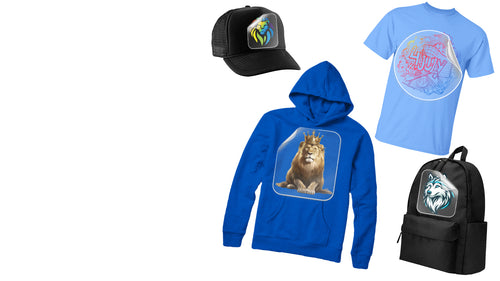



If you're looking for a way to get full-color, detailed designs onto shirts and other apparel, shirt transfers are your answer. Think of them as professional-grade 'stickers for fabric' that you apply with a heat press, making it easy for anyone to create high-quality custom gear without a ton of expensive equipment.
What Are Shirt Transfers and Why Do They Matter

Let's say you have an amazing, multi-colored design ready for a t-shirt. Not too long ago, your options were pretty limited. Screen printing would mean costly setups for every single color, which made small orders or vibrant, complex designs a non-starter. Other methods just couldn't deliver quality on dark fabrics or handle intricate details.
Modern shirt transfers, especially Direct-to-Film (DTF), change all that. A DTF transfer is essentially a perfectly printed design on a special film, backed with a heat-activated adhesive. When you press it onto a shirt, that design bonds permanently to the fabric, leaving you with a vibrant, durable finish that’s soft to the touch.
The Modern Gold Standard
Today, DTF is widely considered the gold standard for custom apparel creators. It brings together a unique mix of quality, versatility, and affordability that was simply out of reach before. This method empowers businesses and crafters to produce professional-grade items completely on demand.
Here’s why it’s a game-changer:
- Full-Color Vibrancy: DTF can reproduce millions of colors, gradients, and tiny details in one go. That means your most complex designs print exactly how you imagined them.
- Fabric Versatility: Unlike other methods that only work on certain materials, DTF transfers apply beautifully to cotton, polyester, blends, and even tricky fabrics like leather or canvas.
- No Setup Costs: Since every design is printed digitally, you can forget about the high screen fees that come with traditional screen printing. This makes it perfect for both one-off customs and massive batches.
At its core, DTF technology gives everyone access to professional apparel printing. It allows a small Etsy shop to produce the same quality merchandise as a major brand, leveling the playing field and opening up a world of creative possibilities.
This accessibility is a huge deal. For businesses, it means you can turn jobs around faster and take on smaller, more profitable orders. For crafters, it means you can finally bring those ambitious projects to life without a massive upfront investment. The process is straightforward: you provide the design, and a supplier like Lion DTF prints it onto a film that shows up at your door ready to press.
We've focused our entire process on premium hot-peel DTF and rapid turnarounds to solve the biggest headaches for creators. With tools like our Auto-build gang sheet builder, you can easily fit multiple designs onto a single sheet. This slashes your cost per print and seriously boosts your profitability, making ordering shirt transfers not just simple, but incredibly cost-effective.
Choosing the Right Shirt Transfer for Your Project
Not all shirt transfers are created equal, and picking the right one is a critical decision for any custom apparel project. The best method really boils down to your specific job: the complexity of the art, the type of fabric you're using, and how many shirts you need to press.
Getting this choice wrong leads to headaches—wasted material, prints that don't last, and unhappy customers.
Think about it this way: you have an order for a full-color, detailed logo on a black hoodie. With a Direct-to-Film (DTF) transfer, that’s a straightforward, single-press application. Simple. But if you tried that same job with Heat Transfer Vinyl (HTV), you’d be stuck tediously cutting, weeding, and layering every single color, a recipe for mistakes and wasted time. And with sublimation? It's a non-starter. That method just doesn't work on dark or cotton fabrics.
This is exactly why understanding the strengths and weaknesses of each transfer type is so important for your business. The right choice saves you time, cuts down on costs, and delivers a professional-quality product your customers will be proud to wear.
A Practical Comparison of Transfer Methods
To make a smart decision, you need to go beyond the basic pros and cons. Let's break down how the most popular shirt transfers actually perform in the real world, focusing on what matters most: feel, durability, color pop, and what they’re truly best for.
While every method has its place, you’ll quickly see how DTF’s incredible versatility makes it the go-to choice for a huge range of jobs, from one-off custom pieces to large production runs.
- DTF (Direct-to-Film) Transfers: Think of these as the ultimate all-rounder. They work on almost any fabric you can throw at them—cotton, polyester, blends, canvas, and more. They handle unlimited colors, sharp details, and gradients flawlessly, all while feeling soft and flexible on the garment.
- Screen Print Transfers: These are fantastic for big batches of simple, 1-2 color designs. The cost per piece gets very low at high volumes, but the setup for multi-color artwork is complex and time-consuming.
- Heat Transfer Vinyl (HTV): This is your workhorse for simple text and shapes, like names and numbers on jerseys. It's user-friendly for beginners but becomes a nightmare for complex, multi-color designs that require precise layering.
- Sublimation: For prints you can’t feel at all, sublimation is king. The ink becomes one with the fabric, creating a super-soft, permanent design. The catch? It only works on 100% white or very light-colored polyester garments.
You can get an even deeper look at these technologies by checking out our guide on the different types of transfers for shirts available today.
Comparing Shirt Transfer Methods Head-to-Head
Choosing the right transfer method can feel overwhelming, but it doesn't have to be. Each technology has unique strengths and limitations that make it ideal for specific applications. Think about your fabric, your design's complexity, and the final feel you want to achieve.
This table gives you a clear, side-by-side look at how the most popular options stack up against each other.
| Feature | DTF Transfers (Direct-to-Film) | Screen Print Transfers | Heat Transfer Vinyl (HTV) | Sublimation |
|---|---|---|---|---|
| Fabric Compatibility | Excellent (Cotton, Polyester, Blends, Canvas) | Good (Mainly Cotton & Blends) | Good (Cotton, Polyester, Blends) | Poor (Polyester only) |
| Color & Detail | Unlimited colors, gradients, and fine details | Limited colors, best for 1-2 color designs | Limited to single-color layers; tedious for detail | Unlimited colors, but only on light fabric |
| Feel on Shirt | Soft, flexible, and lightweight | Can be slightly thicker, but has a soft feel | Often feels like a plastic layer on the shirt | Zero feel; ink becomes part of the fabric |
| Durability | Excellent (100+ washes) | Very good | Good, but can crack or peel over time | Excellent (Permanent, will not fade) |
| Best For | Full-color logos, complex art, any fabric | High-volume, 1-2 color jobs (e.g., events) | Names, numbers, simple graphics | All-over prints on 100% white polyester |
As you can see, the right choice depends entirely on the job's requirements. While sublimation offers an unbeatable feel, its fabric limitations are significant. Screen print transfers are cost-effective for bulk orders but struggle with color complexity.
By understanding these key differences, you can confidently choose the most efficient and highest-quality method for every order. DTF's ability to combine full-color detail with broad fabric compatibility makes it a powerful asset for any custom apparel business.
Plus, ordering DTF has become incredibly efficient. Forget managing dozens of vinyl rolls or screen setups. You can now use a tool like an Auto-build gang sheet builder to consolidate multiple jobs onto a single transfer sheet, saving both time and money.
How Premium DTF Shirt Transfers Are Made
Ever wondered how a premium DTF transfer feels so soft yet lasts for wash after wash? The secret isn't one single thing, but a precise, multi-step process that turns your digital file into a durable, press-ready shirt transfer. Once you understand how it's made, you'll see why every detail counts for getting those pro-level results.
It all starts with your artwork. A specialized DTF printer lays down the color layer—the CMYK (cyan, magenta, yellow, and black)—onto a sheet of clear transfer film. This first layer is printed in reverse, almost like looking at your design in a mirror.
This modern approach is exactly why the custom t-shirt printing market is exploding, projected to grow from $5.1 billion in 2026 to $12.4 billion by 2036. While traditional screen printing definitely still has its place, DTF's speed and quality are making it the top pick for e-commerce brands that need vibrant merch fast. You can explore the full market research on custom t-shirt printing to see just how much digital methods are taking over.
The Critical White Ink Underbase
Right after the color goes down, the printer adds a perfectly aligned layer of white ink directly on top of it. This white ink underbase is one of the most crucial steps in the whole process. Think of it as a solid foundation that stops the shirt’s color from bleeding through your design.
Without that opaque white layer, your colors would look muddy and dull on anything but a plain white shirt. This is precisely why DTF transfers look just as bright and crisp on a black hoodie as they do on a white tee. It’s the key to getting true, accurate colors on any garment.
This infographic breaks down the main things to consider when picking the right shirt transfer for your project.  As you can see, a single method can handle dark fabrics and complex, multi-color designs with just one press, which really helps streamline your workflow.
Applying the Adhesive and Curing for Durability
With the ink layers printed but still wet, the film moves to the next station. Here, a fine thermoplastic polyurethane (TPU) adhesive powder is spread evenly across the entire design. This granulated powder is engineered to stick only to the wet ink, leaving the clear parts of the film clean.
This adhesive powder is the unsung hero of a DTF transfer. It’s what creates the powerful bond between the ink and the fabric fibers during heat pressing, directly contributing to the transfer’s incredible durability and stretchiness.
Finally, the transfer is sent through a curing oven. The heat melts the adhesive powder, fusing it directly to the ink. This final step solidifies the transfer, turning it from wet ink and loose powder into a single, stable, and flexible design that’s ready to press.
Perfecting each stage is how a premium supplier produces vibrant, long-lasting shirt transfers that make your brand look great. To make this advanced technology even more cost-effective for you, our Auto-build gang sheet builder helps you pack multiple designs onto one sheet, making sure you get the most out of every print.
How to Apply Your DTF Transfers for Perfect Results

You’ve got your vibrant, ready-to-press shirt transfers in hand, and now it’s time for the moment of truth: the application. A flawless press is what separates an amateur-looking product from a professional, sellable garment. The good news is that with a quality heat press and the right technique, getting that perfect finish is simple and repeatable.
The whole process comes down to three things: time, temperature, and pressure. Think of these as the three legs of a stool—if one is off, the whole thing becomes wobbly and unreliable. Consistent, accurate settings are non-negotiable for a permanent bond that lasts.
Preparing for a Flawless Press
Before you even think about laying down your transfer, your first move is to pre-press the garment. Just lay the shirt flat on your heat press and give it a quick press for 5-10 seconds. This might seem like a small detail, but it makes a huge difference.
Every fabric, especially cotton, holds onto moisture you can't see or feel. Pressing a transfer onto a damp shirt traps steam, which stops the adhesive from bonding correctly and leads to prints that peel after the first wash. A quick pre-press also knocks out any wrinkles, giving you a perfectly flat surface to work with.
The Step-by-Step Pressing Process
With your garment prepped and ready, you can bring your design to life. Follow these simple steps for excellent results with every press. Precision here ensures the shirt transfers you ordered look just as good on the final product as they did on the film.
- Position Your Design: Carefully place the DTF transfer onto the shirt. A good rule of thumb for a standard chest placement is about three to four fingers down from the collar.
- Press the Transfer: Cover the transfer with a Teflon sheet or parchment paper to protect it and your press. Press firmly according to the recommended settings—usually around 240-280°F for 10 seconds with medium-to-firm pressure.
- Perform the Hot Peel: As soon as the press opens, immediately and confidently peel the clear film away from the design. Start at one corner and pull it back in a smooth, continuous motion at a low angle. Don't hesitate—a quick, decisive peel is key.
- Execute the Final Press: Once the film is completely removed, cover the design again with your protective sheet and give it a final press for 5-10 seconds. This last step is what locks the design in, improves durability, and gives it that smooth, matte finish.
A common mistake beginners make is peeling too slowly or nervously. A confident, steady hot peel is essential. If the transfer isn't releasing cleanly, double-check that your heat press has sufficient, even pressure across the entire platen.
For more detailed guidance, including specifics for different fabric types, check out our complete instructions for DTF transfers that are ready to press.
Of course, achieving these professional results starts with a quality print. Tools like our Auto-build gang sheet builder make it easy and cost-effective to get multiple high-quality designs, so you're always ready for a perfect press.
How to Order Shirt Transfers and Maximize Your Profit
Knowing how to press your shirt transfers is just one piece of the puzzle. The real secret to turning your t-shirt business into a money-maker is learning how to order those transfers strategically. This isn't just about buying prints; it's about getting the most value out of every single square inch to drive your costs down and your profits up.
The key to all of this is something the pros call a gang sheet.
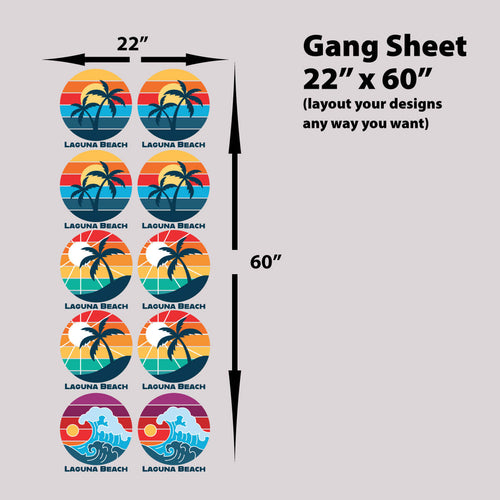
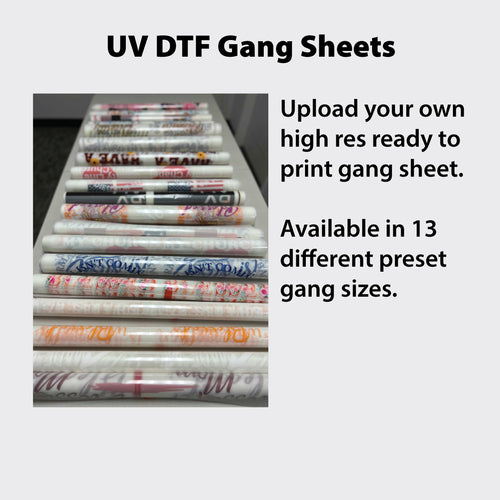
Think of it like carpooling for your designs. Instead of ordering each graphic as a separate item, you "gang" them all together onto one large sheet. You pay a single price for the whole sheet, not for each individual design on it.
This one move can drastically slash your cost per print. For instance, rather than paying for a single 10-inch design, you could fit that same design, a few pocket logos, and a couple of sleeve graphics all onto one 22" x 24" sheet. The price for the sheet is the same, but your cost for each transfer plummets.
Unlocking Profit with Gang Sheets
The global T-shirt market is on track to hit $195.6 billion by 2025, and North America is set to claim 28.12% of that massive pie. That growth is fueled by custom apparel, but to compete, you have to be efficient. That means getting your costs as low as possible. Ordering shirt transfers from a supplier like Lion DTF—with prices starting at just $0.017 per square inch and 1-2 day shipping—is how you grab your piece of the action. You can find more details on the T-shirt market's growth on cognitivemarketresearch.com.
Gang sheets are the professional's tool for achieving that efficiency. They let you print more for less, making them a cornerstone of any smart apparel business.
Here’s exactly how they boost your bottom line:
- Reduced Cost Per Print: This is the biggest win. By packing multiple designs onto one sheet, a small chest logo can go from costing dollars to just cents.
- Inventory on Demand: You can print a mix of your best-sellers alongside smaller, add-on designs. This lets you build a flexible inventory of transfers without being forced into large, single-design print runs.
- Maximized Material Usage: You’re paying for the whole sheet, so any empty space is wasted money. Gang sheets make sure you use every bit of the film you buy.
Effortless Ordering with an Auto-Build Gang Sheet Builder
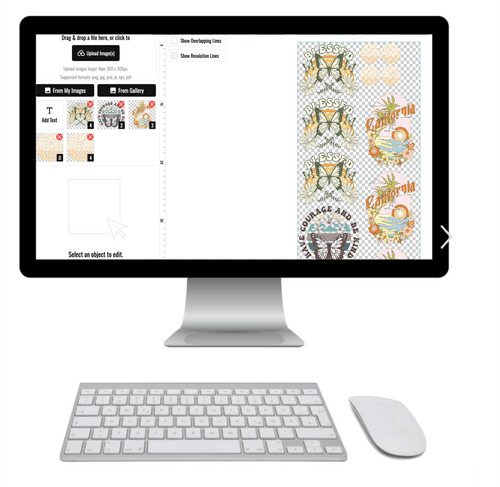
In the past, making a gang sheet meant firing up design software and manually arranging, rotating, and nesting every image to make them fit. It worked, but it took time and had a learning curve. Today, technology makes the whole process incredibly simple.
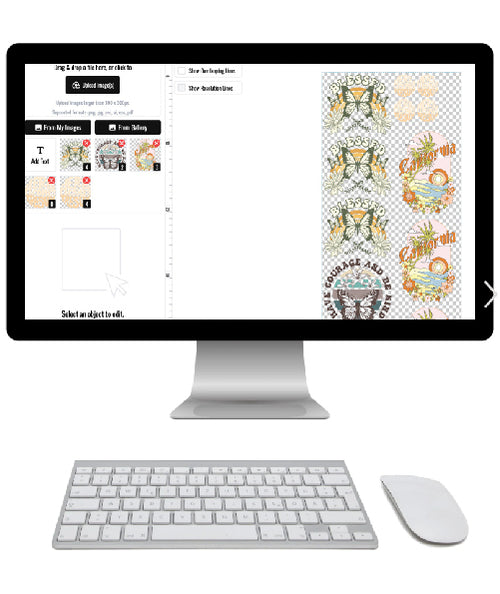
Our Auto-build gang sheet builder completely removes the guesswork. You just upload your designs, and the tool automatically organizes them for you, optimizing the layout to use the space perfectly. It’s a drag-and-drop system so simple you can build a cost-effective order in minutes, not hours.
The goal is to make profitability accessible. With an auto-builder, you don't need to be a graphic designer to order like a pro. You get all the cost-saving benefits of a gang sheet with none of the complexity.
Whether you're a busy Etsy seller, a promotional company juggling client orders, or a brand building out its next merchandise drop, this tool is a game-changer. It puts you in control of your purchasing decisions, which directly fuels your growth. By understanding and using gang sheets, you're making a smart investment in your business’s financial health, one perfectly optimized order at a time. For more tips on expanding your brand, you might be interested in our guide on how to grow your printing T-shirt business with DTF transfers.
Finding a Reliable Supplier for Your Shirt Transfers
Picking a supplier for your shirt transfers is one of the biggest decisions you'll make for your business. This isn't just about buying prints; it’s about finding a partner. Your supplier's quality, speed, and reliability are directly tied to your brand's reputation and your ability to keep customers happy.
A great supplier provides the foundation for your products. They’re the reason every shirt you sell meets a high standard. A bad one, on the other hand, can cause a domino effect of problems—missed deadlines, faded prints, and angry customers—no matter how awesome your designs are.
The custom apparel world is booming. The market for the printing machines used to make DTF and other shirt transfers hit $1.2 billion in 2024 and is projected to climb to $1.9 billion by 2033. This growth is fueled by massive consumer demand. One DTF provider reported over 5,500 orders in a single year, which gives you an idea of the kind of volume shops are handling. To stay competitive, you need a supplier built for that kind of speed and consistency. You can read more about the printing machine market forecast on impressionsmagazine.com.
Key Factors for Vetting a DTF Supplier
When you start looking at suppliers, it’s tempting to just compare prices. But the cheapest print is almost never the best deal. Instead, look for these critical signs that separate a premium partner from the rest.
- Proven Durability: Don't just take their word for it—ask for proof. A top-tier supplier should have their transfers tested to withstand 100+ wash cycles without cracking, peeling, or fading. That’s the real-world test of a quality product.
- Color Accuracy: Your designs have to look as good on the shirt as they do on your screen. The best suppliers use advanced color-matching tech to make sure your brand colors are spot-on, every single time.
- Fast, Reliable Turnaround: In this business, speed is everything. Look for suppliers who offer a 1-2 business day turnaround. This isn't just a perk; it’s what lets you say "yes" to last-minute orders and keep your own shop running smoothly.
Remember, a supplier's turnaround time is your turnaround time. If they're slow, you're slow. Prioritizing a partner who ships quickly and reliably is a direct investment in your own business's agility and customer satisfaction.
Beyond the Print Itself
A true partnership goes way beyond the physical transfers. The best suppliers provide tools and support that are actually designed to help your business grow. This is where you can really tell if a company is invested in its customers.
Keep an eye out for these essential support features:
- Accessible Customer Support: When you’re on a tight deadline and something goes wrong, you need answers fast. A supplier that offers support through phone, text, email, and live chat is showing you they value your time and are ready to solve problems right alongside you.
- Easy Ordering Tools: The ordering process should be dead simple. A supplier offering an Auto-build gang sheet builder is a game-changer. This tool lets you easily pack multiple designs onto one sheet, a move that massively drops your cost per print and boosts your profit margins without needing any complicated design work.
By learning what to look for, you can find a supplier who’s genuinely committed to your success. You’ll know what a premium product really looks and feels like, and you’ll build a supply chain you can actually count on.
Frequently Asked Questions About Shirt Transfers
As you get ready to place an order, it’s normal to have a few last-minute questions about shirt transfers. We’ve pulled together the most common ones we hear to give you clear, direct answers. Our goal is to make sure you have everything you need to order with complete confidence.
Whether you're wondering about durability, how to apply them, or getting the most for your money, these answers should clear up any final questions and show why premium DTF transfers are the right call for your projects.
How Long Do DTF Shirt Transfers Last?
Durability is always a top concern, and it really comes down to the quality of the transfer itself. When you use a professional-grade product, you can expect impressive longevity.
This means the apparel you create will keep its sharp look and vibrant colors for a long time. Your customers get a high-quality item that reflects well on your brand, which leads to happy clients and repeat business.
Can I Use a Home Iron to Apply DTF Transfers?
While you technically could try using a home iron, we strongly advise against it. The secret to a permanent, professional bond is even pressure and consistent temperature—two things a home iron just can't deliver.
Irons create hotspots and cold spots, which means parts of the transfer won't adhere correctly. This almost always leads to failed applications and wasted product. A heat press is the industry standard for a reason: it guarantees the uniform heat and pressure needed for a durable bond, every single time.
Using a heat press isn't just a suggestion; it's the best practice for getting professional, sellable results. Investing in a good heat press protects your investment in both your transfers and your blank garments.
What Is a Gang Sheet and Is It Complicated?
A gang sheet is simply a large transfer sheet that lets you place multiple designs onto a single film, which drastically cuts down your cost per print. Best of all, it’s not complicated at all. Think of it as combining shipping for your designs to save money.
Our Auto-build gang sheet builder makes this cost-saving process totally effortless. You just upload your different designs—like chest logos, sleeve art, and neck tags—and the tool automatically arranges them to make the most of every inch of the sheet. If you'd rather be hands-off, we also offer a service where we build the gang sheet for you, ensuring a perfect, cost-effective setup every time.
Ready to create stunning, professional-quality custom apparel with ease? At Lion DTF Transfers, we provide vibrant, durable, and easy-to-use shirt transfers with industry-leading speed. Start building your cost-effective gang sheet or explore our ready-to-press designs today at https://liondtf.com.