


If you’ve been around for a while, the phrase “iron-on transfer” probably brings back some memories. Think of those stiff, plasticky decals from the '70s and '80s that felt like a sticker on your shirt and started cracking after just a couple of washes. Let's be clear: those days are long gone.
Modern shirt iron on transfers, especially with advancements like Direct-to-Film (DTF), are in a completely different league. We're talking about vibrant, durable, and soft-to-the-touch graphics that are perfect for professional-quality custom apparel.
What Are Shirt Iron On Transfers Today

Forget the old-school decals. Today's transfers are engineered for quality and performance.
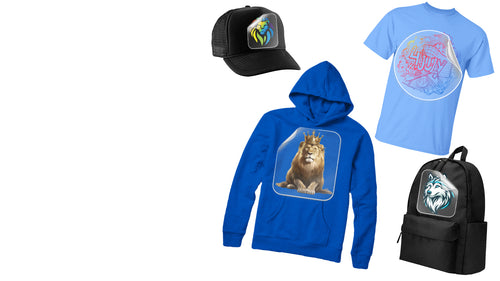
At its core, a modern transfer is a ready-to-apply graphic. A design gets printed onto a specialized film, which you then apply to a garment using a heat press. The heat and pressure work together to activate a powerful adhesive, fusing the ink directly into the fabric's fibers. The result is a design that’s not just stunning to look at but also incredibly flexible and built to last.
A Tool For Everyone
What’s truly great about modern transfers is how they’ve opened up the world of custom apparel. High-quality printing used to be complex and expensive, but that barrier has been torn down.
- For Hobbyists: You can create a one-off custom t-shirt for a birthday party or a personal project without needing any special printing equipment at home. Just a heat press.
- For Businesses: You can launch an entire clothing line, produce branded merch for a trade show, or create professional-looking staff uniforms with perfectly consistent results every single time.
This technology puts the power to create in everyone’s hands. You no longer need to be a screen-printing guru or invest thousands in machinery to bring your vision to life.
Modern transfers make professional-quality custom apparel accessible to everyone. The process is straightforward: you get a pre-printed design, apply it with heat, and you have a finished product that looks and feels premium.
Making Customization Simple and Affordable
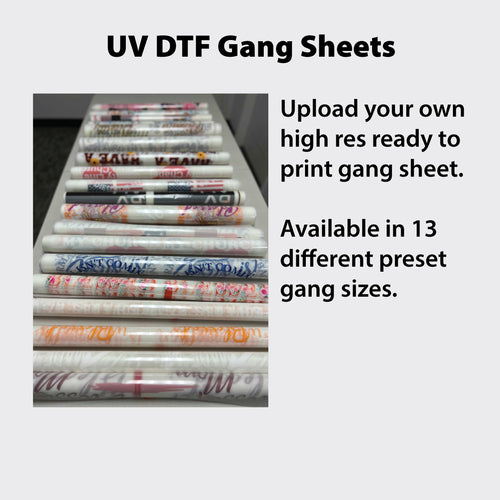
One of the biggest game-changers is how you can order these transfers. Instead of being stuck buying one design at a time, you can now group multiple designs onto a single large sheet, called a gang sheet. This approach absolutely slashes the cost per print, making even small, varied batches incredibly economical.
To make this even easier, tools like an Auto-build gang sheet builder take all the guesswork out of the process, ensuring maximum ease of use and cost-effectiveness. You simply upload your different designs—say, a main logo, a small sleeve graphic, and a neck tag design—and the software automatically arranges them to use every inch of the sheet. This means you get way more prints for your money without the headache of laying everything out by hand. You can learn more about different types of transfers for shirts and how they compare.
Ultimately, today’s shirt iron-on transfers have moved custom apparel from a complicated craft to a powerful, accessible tool for creativity and business.
The Evolution of Custom T-Shirts
The custom t-shirt has always been about making a statement. Long before we had digital printers, personalizing your clothes was a difficult, hands-on job. Then, in the 1960s and 70s, shirt iron-on transfers arrived and completely changed the game, moving from a small niche to a massive tool for self-expression.
This wasn't just about fashion. It was about identity. Suddenly, anyone could wear their favorite band's logo, a protest slogan, or psychedelic art right on their chest. It turned a basic piece of clothing into a personal billboard and put the power of design into everyone's hands.
From DIY Fad to Cultural Phenomenon
The rise of the iron-on was fast. Brands that jumped on this trend made it incredibly easy for young people to customize their wardrobes, a novelty that quickly became a core part of youth culture.
The iron-on transfer blew up as a cultural phenomenon in the 1960s and 1970s, reshaping how teens and young adults personalized their clothes. It all started around 1962 with the founding of RoAcH Studios, and by 1977, the trend was so mainstream that McDonald's offered a free cheeseburger to anyone wearing a Ronald McDonald iron-on.
This era cemented iron-on transfers as a uniquely accessible and affordable alternative to traditional screen printing. You can learn more about this wild time in fashion history in this deep dive into the decal craze.
The Commercial Shift of the 80s and 90s
As the DIY craze settled down, the technology itself started getting serious upgrades. The 1980s and 90s brought more durable plastisol inks into the mix. This was a huge step forward, taking heat transfers from a fun, temporary fad to a legitimate commercial option that could compete with screen printing.
This new generation of transfers offered some key improvements:
- Improved Durability: They could handle more washes without cracking, peeling, or fading.
- Better Color Vibrancy: The designs were brighter, sharper, and looked far more professional.
- Commercial Viability: Businesses could now confidently use transfers for uniforms, merchandise, and retail products.
This period bridged the gap between the rebellious DIY spirit of the 70s and the high-tech digital methods we rely on today. Each step proved that the demand for easy, high-quality custom apparel wasn't going anywhere. This constant improvement paved the way for modern, high-performance solutions like DTF (Direct-to-Film) transfers.
Even the ability to print multiple designs on one sheet—perfected with tools like today's Auto-build gang sheet builder—has its roots in this commercial shift. As businesses looked for ways to be more efficient, the industry found smarter, more cost-effective ways to produce transfers. It’s a history of constant adaptation, which is exactly why heat transfers are still thriving today.
Choosing the Right Transfer Technology
Picking the right transfer method can feel like a big decision, especially with all the acronyms floating around. But getting it right just comes down to matching the technology to your project. You need the right tool for the job.
The three main technologies you'll encounter are Direct-to-Film (DTF), Heat Transfer Vinyl (HTV), and Sublimation. Each has its own strengths, and knowing the difference is what separates an okay shirt from a professional one that lasts. Let’s look at how they stack up.
This chart tracks how custom shirt technology has evolved from a DIY fad into the advanced digital methods we use today.

You can see the journey from the simple iron-ons of the '70s to the mass-production era, leading to today’s digital future where quality and flexibility are at an all-time high.
Direct-to-Film (DTF): The All-Rounder
DTF is easily the most versatile option available right now. The process involves printing your design onto a special film, which is then heat-pressed directly onto the garment.
Think of it as a high-end digital print that bonds directly to the fabric. Because the graphic is printed first and then applied, DTF excels in a few critical areas:
- Fabric Versatility: It works on just about everything—cotton, polyester, blends, leather, and even some hard goods. It performs equally well on any color fabric, light or dark, without losing vibrancy.
- Design Complexity: DTF handles photorealistic images, fine details, and complex color gradients perfectly. There are no color limits.
- Feel and Durability: Quality DTF transfers have a soft, flexible feel and are tested to handle many washes, making them the go-to for retail-quality apparel.
DTF is your best bet when you need vibrant, detailed designs on a wide variety of fabrics and colors. It strikes the perfect balance between quality, durability, and versatility.
Heat Transfer Vinyl (HTV): The Bold and Simple Choice
Heat Transfer Vinyl (HTV) is basically a digital stencil. A machine cuts your design from a sheet of colored vinyl, and you press that cut-out onto your shirt.
This method is fantastic for bold, simple graphics. HTV is the perfect choice for:
- Single-Color Designs: Great for names and numbers on jerseys or logos with just one or two solid colors.
- Specialty Finishes: HTV offers a huge range of unique finishes like glitter, flock (a fuzzy texture), metallic, and glow-in-the-dark that are tough to replicate otherwise.
- Small, Simple Runs: Since you can cut and apply it yourself, it's a solid choice for one-off projects that require a clean, simple graphic.
Where HTV falls short is with multi-color or intricate designs. Every color requires a separate layer of vinyl that has to be cut, weeded, and pressed in perfect alignment, which is incredibly time-consuming and leaves a lot of room for error.
Sublimation: The Softest but Most Limited
Sublimation is a unique process where solid ink turns directly into a gas under heat, permanently dyeing the fibers of the fabric. The design doesn't sit on top of the shirt; it truly becomes part of it.
This results in a zero-feel, or "no-hand," finish that is incredibly soft and will never crack, peel, or fade. For pure softness and breathability, it’s unbeatable.
But sublimation comes with a major limitation. It only works on 100% polyester (or high-polyester blends) and light-colored or white fabrics. The dye needs polyester fibers to bond with, and since the ink is translucent, it simply won’t show up on dark-colored garments.
To help you decide, here’s a quick breakdown of how these technologies compare head-to-head.
Transfer Method Comparison: DTF vs. Vinyl vs. Sublimation
| Feature | DTF Transfers | Heat Transfer Vinyl (HTV) | Sublimation |
|---|---|---|---|
| Fabric Compatibility | Cotton, Polyester, Blends, Leather | Cotton, Polyester, Blends | 100% Polyester or high-poly blends |
| Fabric Color | Any color (light or dark) | Any color | White or very light colors only |
| Design Complexity | Excellent (full color, photos, gradients) | Poor (best for simple, solid colors) | Excellent (full color, photos) |
| Feel on Shirt | Soft and flexible | Can be thick, especially with layers | Zero feel ("no-hand") |
| Durability | Excellent | Good, but can crack/peel over time | Permanent, will not crack or fade |
| Best For | Retail-quality apparel, complex designs, any fabric | Names/numbers, glitter/specialty effects | Performance wear, ultra-soft prints |
Seeing how these methods stack up makes it clear there's a best choice for every project. If you're also curious about how modern transfers compare to old-school methods, our guide on screen print transfers vs. DTF explains how much the technology has improved. The convenience and cost savings of today's solutions—especially when grouping multiple designs with our user-friendly and cost-effective Auto-build gang sheet builder—make them a superior choice for most small businesses and creators.
Why DTF Is the Future of Custom Apparel

While every transfer method has its uses, Direct-to-Film (DTF) is quickly taking over as the new gold standard for custom apparel. It’s not just a small step up; it’s a technology that fixes the biggest headaches of older methods, mixing incredible print quality with go-anywhere versatility.
For creators and print shops, this means you can finally say "yes" to more projects. DTF lets you hit a level of creative freedom that used to be out of reach for most, making it the clear leader in the evolution of shirt iron on transfers.
Unmatched Versatility Across Fabrics and Colors
Probably the single biggest win for DTF is its insane versatility. Forget the old rules. Unlike sublimation that locks you into light-colored polyester, or HTV that can feel like a thick sticker on some fabrics, DTF just works. It adheres beautifully to almost any material you throw at it.
- Cotton: Get bright, full-color graphics on your classic 100% cotton t-shirts.
- Polyester & Blends: DTF sticks perfectly to performance wear and synthetics without a problem.
- Leather & Denim: You can even press detailed designs onto tricky items like jackets, hats, and bags.
This freedom also applies to color. DTF prints a solid white base layer underneath the design, so your artwork looks just as bold and bright on a black shirt as it does on a white one. You never have to tone down your design to match the garment.
The Coveted Soft Hand Feel
One of the oldest complaints about shirt iron on transfers was how they felt. Nobody wants a design that feels like a stiff, plastic patch sitting on top of the fabric. DTF completely changes the game with what we in the industry call a "soft hand feel."
Because the ink and adhesive are incredibly thin and flexible, the final print feels like it’s part of the shirt itself. It stretches and moves with the fabric, giving you that premium, retail-quality finish that's just more comfortable to wear. This makes DTF a no-brainer for high-end apparel brands or any product where comfort is a top priority.
Extreme Durability and Vibrant Detail
A great-looking design is worthless if it falls apart in the wash. This is another area where DTF pulls ahead. High-quality DTF transfers are built to last, with many tested to handle many wash cycles without cracking, peeling, or fading. That kind of durability gives both you and your customers peace of mind.
This toughness comes with the ability to reproduce incredibly fine details and even photos. Since DTF is a digital process, it has no problem with:
- Unlimited colors in a single design.
- Smooth gradients and color blends.
- Super-fine lines and tiny text.
- High-resolution photographic images.
The rise of T-shirt printing is a core part of American culture, and today's DTF technology is its most advanced form yet. With prices as low as $0.017 per square inch for bulk orders. With next-day air shipping and 1-2 day turnarounds now common, it's a viable option for everyone from home crafters to major companies. You can read more about the rich history of t-shirt printing and its modern impact.
Because it's digital, DTF is perfect for both one-off custom jobs and huge production runs—all with zero setup fees. When you pair that with smart ordering tools like our Auto-build gang sheet builder for maximum cost-effectiveness and ease of use, you get a scalable and affordable solution that’s set to lead the custom apparel world for a long time.
How to Design and Order Your Transfers
Turning your creative vision into a physical shirt iron on transfer is actually pretty straightforward. But ordering like a pro isn't just about uploading a design—it's about maximizing value. The key is to move beyond single-design orders and embrace a powerful cost-saving strategy called "ganging."
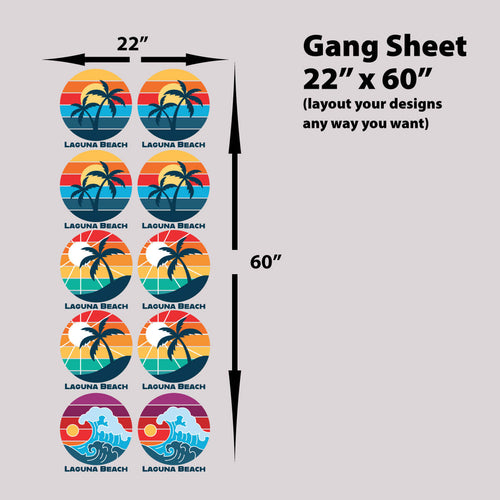
The secret to making custom apparel affordable is the gang sheet. Think of it like baking cookies. Instead of baking one at a time, you fill a whole baking sheet to make a big batch at once. A gang sheet applies the same exact logic to your transfers.
You can place multiple designs—main logos, small sleeve art, neck tags, or even graphics for completely different jobs—onto one large transfer sheet. You pay for the sheet, not for each individual design. This approach dramatically drops your cost per print and is, by far, the most efficient way to order.
Maximizing Your Sheet with a Gang Sheet Builder
Of course, arranging all those different graphics to fit perfectly on a sheet can feel like a game of Tetris. Manually rotating, nudging, and repositioning everything to avoid wasting precious space is tedious and time-consuming. This is where modern tools make all the difference.
An Auto-build gang sheet builder is designed for exactly this. It takes all the guesswork out of the layout process, ensuring you get the most for your money with minimal effort through its ease of use and cost-effectiveness.
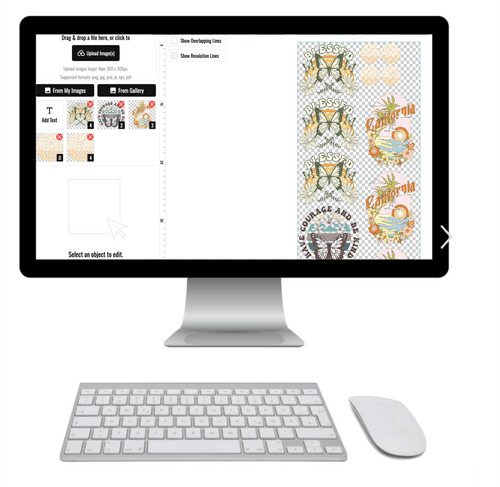
Here's a peek at how an intuitive auto-builder works.
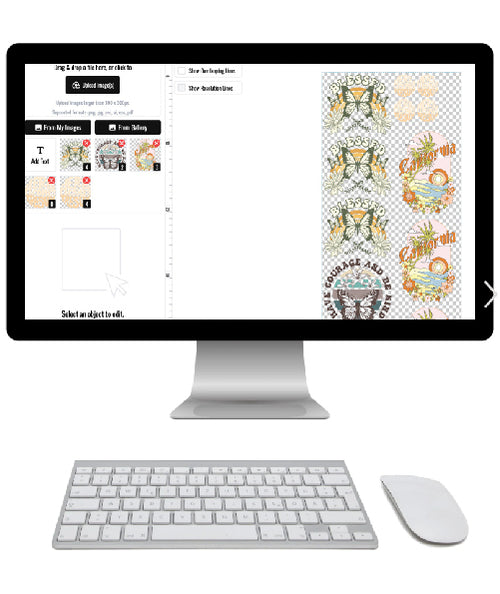
This screenshot shows the Lion DTF Auto-build gang sheet builder in action. Multiple designs of different sizes have been automatically packed onto the sheet. The tool’s intelligence ensures every square inch is used, turning what would be a complex puzzle into a simple, automated step.
The process is incredibly simple:
- Select Your Sheet Size: Choose the dimensions that fit your project, from small sheets for a few designs to massive rolls for big production runs.
- Upload Your Artwork: Add all the different designs you need to print, no matter their size or shape.
- Let the Builder Do the Work: With a single click, the software instantly organizes your files into the most efficient layout possible.
This powerful tool makes ordering shirt iron on transfers accessible to everyone, from total beginners to high-volume print shops. It gets rid of the layout headache and guarantees you get the absolute best value from every order.
We Build It For You: An Even Easier Option
What if you have the designs but don't want to deal with the layout at all? For those who prefer a completely hands-off approach, a service like Lion DTF’s "We Build a Gang Sheet for You" is the perfect solution.
With this service, you simply upload your art files and provide basic instructions, like the quantity needed for each design. A team of professionals then takes over, building the most optimized gang sheet for you and sending a proof for your approval.
This option gives you the cost savings of a gang sheet combined with the convenience of a full-service team. It's a great choice for businesses with large, complex orders or for anyone who wants to ensure their layout is perfect without lifting a finger.
Whether you use an automated tool like our cost-effective and easy-to-use Auto-build gang sheet builder or a professional service, ganging up your designs is the smartest way to order custom transfers.
Application and Care for Lasting Results

You’ve ordered your custom transfers, and now it's time for the fun part—bringing your designs to life on fabric. Properly applying your shirt iron on transfers is the final, most critical step to creating apparel that looks professional and holds up wash after wash.
With the right technique, your custom garments will look incredible. When you care for them correctly, they'll stay that way.
Applying Your Transfers With a Heat Press
To get that permanent, professional-grade bond, you really need a heat press. A home iron just can't deliver the consistent temperature and even pressure required to make sure your design adheres perfectly across its entire surface.
The application process is straightforward, but precision is key. Every step matters if you want a flawless finish that lasts. For a complete walkthrough, check out our guide on how to properly iron on a transfer.
Here are the three main settings you’ll need to master:
- Temperature: Most DTF transfers press in a specific heat range, usually 240-280°F. Always double-check the recommendations for the specific transfers you're using.
- Pressure: You need firm, even pressure. This is what melts the adhesive uniformly and pushes it deep into the fabric fibers for a solid bond.
- Time: The press itself is quick, typically around 10 seconds. Too little time gives you a weak bond, but too much can scorch the transfer or even the shirt.
Hot Peel vs. Cold Peel: What's the Difference? The "peel" is simply when you remove the clear carrier film after pressing. Hot peel transfers, like the ones from Lion DTF, let you peel the film off immediately while the shirt is still hot. This seriously speeds up your production. Cold peel transfers have to cool down completely before you can remove the film, or you risk pulling the design right off.
Long-Term Care for Maximum Durability
Once your shirt is pressed and ready, a little care goes a long way. Modern DTF transfers are incredibly tough, but following a few simple rules for washing and drying will keep the design looking vibrant and prevent any wear and tear.
Washing Best Practices:
- Wait 24 Hours: Before that first wash, let the transfer cure on the shirt for at least 24 hours.
- Turn It Inside Out: This is the golden rule. Always wash the garment inside out to protect the design from rubbing against other clothes.
- Use Cold Water: Wash on a cold, gentle cycle. Hot water can stress the adhesive and ink over time.
- Go with Mild Detergent: Avoid harsh chemicals like bleach or strong fabric softeners.
Drying to Prevent Damage:
- Hang Dry if You Can: The absolute best way to preserve your print is to hang the garment to air dry.
- Tumble Dry on Low: If you need to use a dryer, always use the lowest heat setting. High heat is the number one enemy of any custom print.
- Never Iron Directly on the Design: If you need to iron the shirt, turn it inside out and use a low heat setting. Make sure you avoid the printed area completely.
Common Questions About Shirt Transfers
When you're getting ready to jump into custom apparel, it's normal to have questions. Getting the right answers can be the difference between a project you love and one that just causes headaches.
We've gathered the most common questions we hear about shirt iron-on transfers to give you the clarity and confidence to get started. Let’s tackle the practical stuff so you can get back to creating.
Can I Use a Household Iron for DTF Transfers?
While a home iron might get you by for a simple vinyl craft project, it's not recommended for professional DTF transfers. The big difference comes down to consistency. A heat press delivers the even temperature and firm, consistent pressure a DTF transfer needs for its adhesive to bond permanently with the fabric.
A household iron, on the other hand, creates hot spots and applies pressure unevenly. This almost always leads to a bad application. You'll end up with a design that starts peeling, cracking, or fading after just one or two washes. If you want your transfers to look professional and actually last, a heat press is non-negotiable.
What Is a Gang Sheet and How Does It Save Me Money?
Think of a gang sheet as a large transfer where you can group, or "gang up," multiple designs to be printed together for one single price. Instead of paying for each transfer one by one, you're only paying for the total sheet. This drops your cost per design significantly, making it the most budget-friendly way to order.
For example, you could easily fit several large front logos, some smaller back-of-neck brand tags, and a few sleeve graphics all onto one sheet. It's the perfect strategy for getting the most out of your budget, whether you're making a handful of shirts or a massive production run.
To make this even easier, our Auto-build gang sheet builder takes your uploaded designs and automatically arranges them to use every last inch of space. The tool does all the manual work for you, ensuring incredible ease of use and maximum cost-effectiveness.
How Are DTF Transfers Different From Screen Print Transfers?
Both are professional-grade transfers that you apply with a heat press, but the way they're made and what they can do are completely different.
- Screen Print Transfers: These are made the old-school way. Plastisol ink is pushed through a mesh screen onto special release paper. It’s a great process for simple designs with just one or two solid colors. The catch is that every single color needs its own screen and setup, which adds a lot of cost and time to multi-color jobs.
- DTF Transfers: This is a fully digital process. A specialized printer prints your entire design—with unlimited colors, gradients, and even photo-quality details—directly onto a transfer film. Because there are no screens or manual color separations involved, there are zero setup fees.
This makes DTF much more flexible for complex artwork, gives it a softer feel on the shirt, and makes it the clear winner for anyone who needs full-color graphics without a huge budget. The cost-effectiveness of DTF is further enhanced by our easy-to-use Auto-build gang sheet builder, which maximizes the number of prints per sheet.
Ready to create stunning, durable custom apparel with ease? Lion DTF Transfers offers premium hot-peel transfers that make professional results simple. Use our Auto-build Gang Sheet tool to maximize your value and get started today at https://liondtf.com.