


You need shirts, and you need them soon. Maybe the event date moved up. Maybe your brand launch is finally ready. Maybe the school coach just texted, “Can we get these by Friday?” So you search printing t-shirt near me and get the usual mix: local screen printers, custom apparel shops, big online platforms, and a few businesses that don’t clearly explain what they print or how fast they can move.
That search sounds simple, but the wrong choice gets expensive fast. A local shop may be great for pickup but slow for small custom runs. An online provider may ship to your door faster, but only if they specialize in the print method your job needs. The difference usually comes down to print technology, file prep, and whether the seller is set up for your order size instead of somebody else’s.
Navigating the Search for T-Shirt Printing Near You
The reason the search feels crowded is simple. Demand is real, and it keeps growing. The U.S. custom T-shirt printing market was valued at USD 857.5 million in 2023 and is projected to grow at a CAGR of 11.8% from 2024 to 2030, according to Grand View Research’s U.S. custom T-shirt printing market report. More buyers means more vendors, and more vendors means more mixed messaging.

What your search is really asking
Many individuals type “printing t-shirt near me” when they mean one of four things:
- I need it fast: The primary question is turnaround, not zip code.
- I need it to look right: You want clean edges, solid color, and something that survives washing.
- I don’t want to overpay: Especially if you only need a short run.
- I need help, not guesswork: File setup, shirt choice, transfer size, and reorder consistency all matter.
A local address can help with pickup. It doesn’t automatically help with quality, method fit, or price.
Practical rule: Choose the printer that matches your order type, not the one that happens to be closest.
Start with the job, not the map
Before comparing shops, define the job in plain terms:
- Quantity: Is this a few shirts, a team order, or a larger merch batch?
- Artwork type: Is it a simple logo, a full-color graphic, or photo-style art?
- Garment type: Cotton, blends, performance wear, hoodies, tote bags, and mixed fabrics all behave differently.
- Deadline: Do you need pickup today, shipping this week, or room for proofing?
If you answer those four points first, bad-fit vendors usually eliminate themselves. A screen print shop built around long runs won’t be the right fit for ten multi-color shirts. A generic promo company may accept the order, but that doesn’t mean they’re the right production partner.
That’s why the smartest local buying decision sometimes isn’t local at all. If a specialist can print faster, price more clearly, and deliver ready-to-press transfers to your door, convenience starts looking different.
Choosing Your Print Method DTF vs Screen Printing vs DTG
Print method decides most of the outcome. Not the website. Not the salesperson. Not the slogan about “premium quality.” If you want to choose well, start with how the art gets onto the shirt.
Digital printing methods like DTG and DTF are projected to grow at 12.5% annually from 2025 to 2030, according to Printful’s t-shirt industry statistics roundup. That tracks with what buyers ask for now: shorter runs, more colors, faster approvals, and less tolerance for setup delays.

Quick comparison
| Method | Best for | Strength | Limitation |
|---|---|---|---|
| DTF | Full-color art, mixed fabrics, short to mid runs | Flexible, vibrant, versatile | Application quality depends on proper pressing |
| Screen printing | Large runs of simpler art | Excellent durability in volume | Setup-heavy for small runs and multi-color jobs |
| DTG | Detailed art on cotton garments | Good detail on one-offs | Less flexible across fabric types |
DTF for modern mixed orders
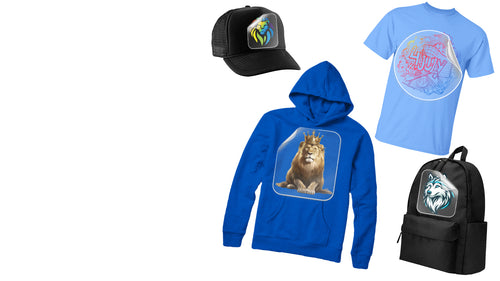
Direct-to-Film, or DTF, fits a lot of the jobs people now search for under printing t-shirt near me. It handles detailed graphics, multiple colors, and varied garments without forcing you into a large minimum. It also works well when you need the same art applied across tees, hoodies, and blends.
DTF is especially useful when you’re juggling several designs at once. Brand drops, event merch, creator lines, and school spirit stores often need flexibility more than they need one giant run of the same logo.
If you’re comparing digital methods more closely, this DTF vs DTG printing breakdown is useful for understanding where each one fits.
If the artwork is complex and the order size isn’t huge, DTF usually makes the conversation simpler.
Screen printing for repetition and volume
Screen printing still earns its place. It’s the workhorse for larger runs, especially when the artwork is simpler and the design won’t change from shirt to shirt. Industry benchmarks in the verified data show screen printing is used by 56% of global custom apparel businesses, and it performs very well in high-volume production when the shop is calibrated and the art is prepared correctly.
Where buyers get burned is assuming screen printing is always the cheapest. It often isn’t for smaller jobs. Setup takes time. Multi-color work adds complexity. If your order is small, highly detailed, or changes often, those setup steps work against you.
DTG for cotton-focused one-offs
DTG prints directly onto the shirt. It can look great for detailed artwork, especially on cotton garments. It’s often a reasonable choice for one-off or short-run prints where a soft print feel matters.
The trade-off is range. DTG isn’t the all-purpose answer for every fabric mix or every turnaround requirement. When clients need broad garment compatibility or want to apply transfers on demand, DTF usually gives them more room to work.
How to Vet T-Shirt Printers Local and Online
A printer’s site may look polished. That doesn’t tell you how they handle your order when the clock is ticking. Vetting matters more than branding.
The biggest mistake buyers make is asking, “Do you print shirts?” That question is too broad. Ask narrow questions and listen for direct answers.
Questions that expose the real fit
Use this checklist when comparing a local shop with an online specialist:
- Minimums: Ask whether they require a minimum order. Small brands and one-off events often get pushed into quantities they don’t need.
- Actual turnaround: Ask when production starts, not just when they “usually finish.”
- Pricing model: Ask whether pricing is based on colors, garment type, design count, or square inch.
- Rush options: If something changes late, can they help?
- Proof process: Find out who checks your art and whether they flag file issues before printing.
- Application details: If you’re ordering transfers, ask for pressing instructions that match real heat press use.
Online DTF services at $0.017 per square inch often beat local screen printing costs for runs under 500 units, and can offer next-day air options that local shops rarely match, according to Underground Printing’s custom t-shirt printing page for Boulder.
That matters because a lot of “near me” searches are really low-volume, deadline-driven jobs.
What good answers sound like
A solid printer won’t dodge specifics. They’ll tell you what method fits, what file type they want, how they handle mixed orders, and what can delay production.
Watch for vague language. If a shop keeps saying “it depends” without explaining what it depends on, expect friction later.
A more useful comparison is whether the printer is built for your workflow. Some local shops are excellent for team uniforms, school programs, and standard reorders. Others are set up for bigger screen print batches and don’t really want short-run custom art.
For remote buyers weighing transfer options, this custom DTF transfers near me guide is a practical way to frame the decision between local pickup and shipped production.
Red flags that cost time
Ask for the part of the process that usually causes delays. Good shops answer that quickly because they deal with it every day.
Common red flags include hidden art fees, unclear order minimums, long silence after upload, and no proofing discipline. Another one is a shop that accepts every file without warning you what will print poorly.
If you’re ordering for a launch, event, or client delivery, transparency beats convenience every time. A shop two miles away is not more convenient if you have to chase status updates, fix file issues after production starts, or pay for a rush because they didn’t flag a problem on day one.
Preparing Your Artwork for Flawless Prints
Most print problems start before the printer touches the garment. They start in the file.
Industry benchmarks show that issues with artwork, such as low resolution or improper file types, are responsible for up to 35% of printing errors and rejected orders for beginners, according to AllDayShirts’ guide to common printing mistakes.

The file rules that actually matter
The cleanest starting point is simple:
- Use high resolution: The verified guidance for DTF calls for 300 DPI minimum.
- Prefer vector when possible: AI and EPS files scale better and avoid jagged edges.
- Keep backgrounds transparent: Don’t send a logo trapped inside a white rectangle unless you want that rectangle printed.
- Export intentionally: PNG can work well for transparent art. JPG often causes problems for logo work because it flattens backgrounds and compression can soften edges.
If you need a file format refresher, this guide to the best file format for printing covers the practical differences.
What beginners usually miss
A design can look sharp on a phone and still print badly. Screen size hides low resolution. Fabric doesn’t.
The most common file issues I see are tiny screenshots, social media downloads, and logos pulled from websites. Those files may be fine for posting online, but they’re weak production assets.
Shop-floor advice: If the logo was copied from a website header, assume it needs to be rebuilt before it’s ready for print.
Another issue is scale. A design might technically be 300 DPI at one size, but not at the size you want on the shirt. Always check the final print dimensions, not just the file label.
Gang sheets save money when used right
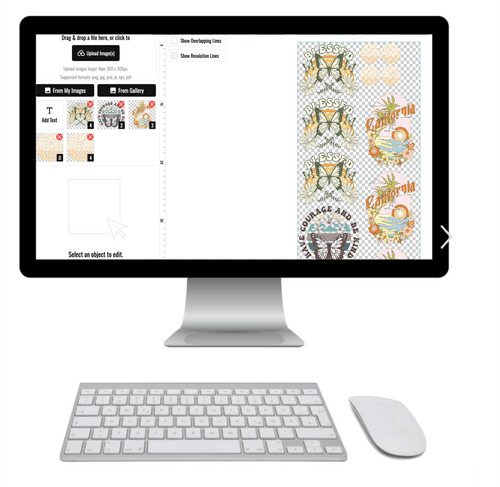
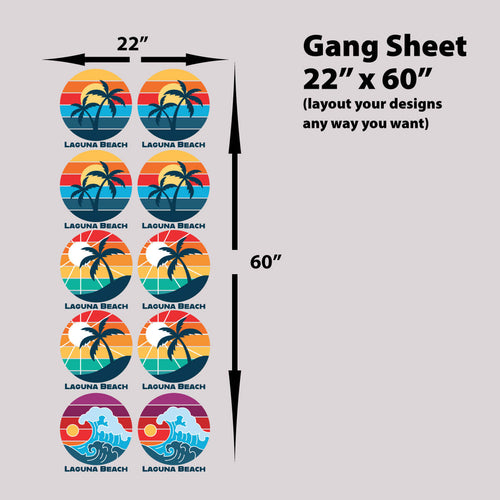
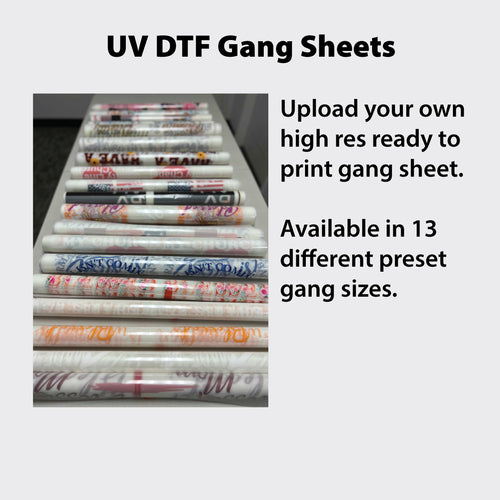
Gang sheets are one of the easiest ways to cut waste on transfer orders. Instead of ordering each design as its own isolated piece, you place multiple logos, names, sleeve hits, or left-chest graphics on one larger sheet.
That matters for small brands, school stores, promo companies, and print shops juggling mixed jobs. You can combine front graphics, back graphics, pocket prints, and extras in one layout rather than paying for scattered dead space.
A lot of buyers waste money here because they build gang sheets manually and leave too much empty area between designs. Others pack them badly and make trimming harder than it needs to be.
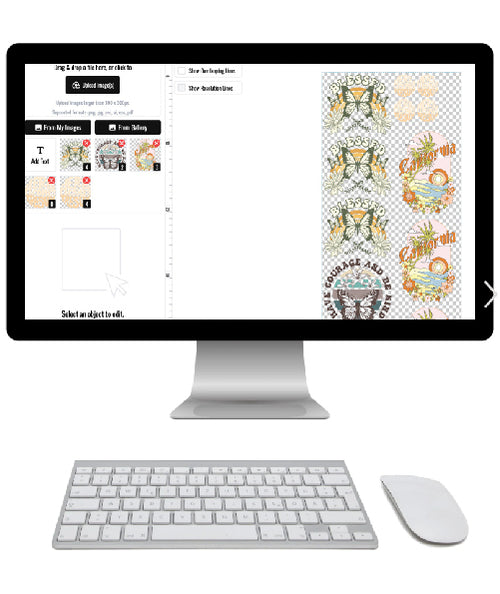
For buyers who want an easier route, the Auto-build Gang Sheet Builder from Lion DTF Transfers is designed to arrange uploaded graphics efficiently, which helps with ease of use and cost control. If you don’t want to build the layout yourself, the “We Build a Gang Sheet for You” option is the safer move.
Here’s a quick walkthrough of the kind of prep that helps before you upload:
Simple pre-upload checklist
- Zoom in on edges: Look for halos, fuzzy outlines, or leftover background pixels.
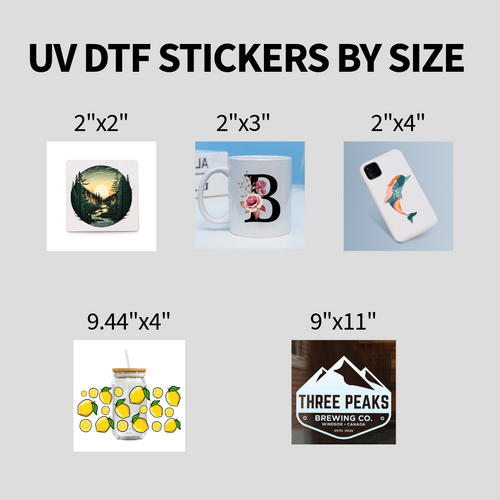
- Confirm print size: Left chest, full front, and youth sizing all need different dimensions.
- Convert text carefully: If a font matters, outline it or flatten it properly.
- Check color contrast: Bright art on a bright garment still needs visual separation.
- Name files clearly: Good file naming prevents wrong placements and reorder confusion.
Clean art won’t guarantee a perfect job by itself. But bad art almost guarantees a disappointing one.
From Order Placement to Unboxing Your Shirts
A significant number of orders go sideways. Not because the design is wrong, but because the logistics were handled casually.
The final stage is less about creativity and more about discipline. Pickup versus shipping, proof approval, garment count, and delivery details all matter because once production starts, changes get expensive.

Pickup sounds easier than it is
Local pickup has one obvious advantage. You know where the shop is, and if everything goes right, you can collect the order without waiting on a carrier.
But pickup isn’t automatically simpler. You’re still tied to business hours, traffic, parking, and the shop’s production queue. If the printer isn’t ready when promised, proximity doesn’t help much.
Shipping can be the cleaner option when the provider is organized. A specialist that prints quickly and ships reliably removes the extra trip and often gives you clearer status tracking than a small local counter operation.
The pre-order checklist that prevents headaches
Before you place the order, verify these details:
- Sizes and quantities: Count twice. Team and event orders often fail here.
- Garment color: Dark and light shirts can change how a design reads.
- Placement notes: Left chest, full front, oversized back print, sleeve hit. Be specific.
- Final proof: Don’t approve a mockup casually. Check spelling, scale, and alignment.
- Delivery plan: Make sure the shipping address, contact name, and timing all match the actual handoff.
- Pressing instructions: If you’re ordering transfers instead of finished garments, confirm the application guidance before the package arrives.
A rushed approval creates more problems than a delayed upload.
What to check when the order arrives
Open the box before the event day if you can. Don’t leave quality control to the parking lot outside the venue.
Look at print placement, color consistency, and garment count first. Then check a few random pieces from different parts of the stack. If the order contains transfers, make a test press on a spare garment before you run through the full batch.
That small test catches the avoidable issues: wrong size assumptions, pressure mismatch, or a placement decision that looked fine on screen but feels off on the shirt.
If your project has a real deadline, build in a buffer. Even smooth orders need room for inspection, sorting, and last-minute fixes.
The Smart Choice for Your Modern T-Shirt Project
A lot of “near me” search results still act like the decision begins and ends with a storefront address. That misses how people buy custom apparel now. Small businesses, creators, teams, and event organizers need flexible production, clean file handling, and dependable delivery more than they need a counter they can stand in front.
Most “near me” content fails to address the rising demand for DTF transfers as a remote solution, a market that grew 45% YoY in 2025, according to Custom One Online’s screen printing page for Grand Junction. The gap is obvious if you’ve ever tried to source short-run, full-color apparel fast without getting pushed into a bulky local workflow.
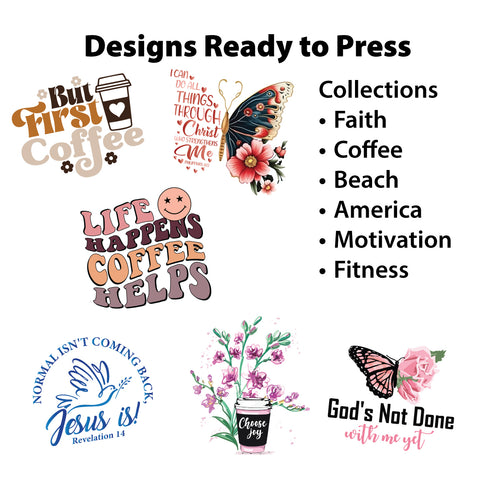
The smarter buying move is to match the method and provider to the job. If you need large uniform runs with simple art, a strong screen print shop may be right. If you need mixed designs, full color, flexible quantities, or ready-to-press transfers shipped quickly, a specialized DTF workflow usually makes more sense.
That’s why the modern answer to printing t-shirt near me often isn’t “find the closest shop.” It’s “find the provider built for your exact order.”
For many current buyers, that means choosing a specialist that can handle gang sheets efficiently, accept production-ready files, support custom layouts, and ship fast enough that local pickup stops being the obvious advantage.
If your project needs flexible quantities, print-ready DTF transfers, or an easier way to combine multiple designs on one sheet, take a look at Lion DTF Transfers. You can upload artwork, build gang sheets, or use the Auto-build Gang Sheet Builder to reduce layout hassle and wasted space before you order.