
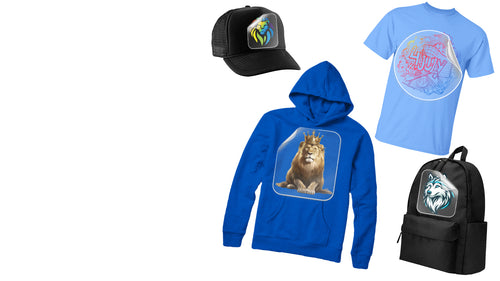



Printer heat transfer paper is a special kind of coated paper that lets you print a design with a regular inkjet or laser printer and then press it onto fabric. Think of it as the carrier that moves your digital art from the computer screen onto a t-shirt or hoodie. It’s a straightforward technology that makes custom apparel accessible, whether you’re a hobbyist or a small business just starting out.
How Does Heat Transfer Paper Actually Work?

Ever wondered how a digital file becomes a wearable design? The magic is in the printer heat transfer paper itself. It's the bridge between your computer and your closet, letting you create custom gear with tools you probably already have.
The whole process is pretty simple at its core. The paper has a special polymer film on one side that’s made to bond with printer ink or toner. When you print your design, the ink doesn't soak into the paper—it sits right on top of this film.
The Magic of the Heat Press
This is where the real transformation happens. When you use a heat press to apply heat and pressure, that polymer coating melts. The ink becomes part of this molten layer, which allows the entire design to lift off the paper backing and stick directly to the fabric fibers.
Once it cools, the polymer hardens again, locking your design onto the garment for good. What you're left with is a graphic that sits on top of the fabric, feeling like a very thin, flexible layer of plastic. This is the basic idea that makes at-home t-shirt printing possible.
To give you a quick overview, here are the core aspects of heat transfer paper in one place.
Heat Transfer Paper At a Glance
| Aspect | Description |
|---|---|
| Technology | A polymer-coated paper used to transfer designs from a printer to fabric. |
| Equipment Needed | Inkjet or laser printer and a heat press (or household iron for some types). |
| Process | Print the design onto the paper, then use heat and pressure to apply it. |
| Feel | The design sits on top of the fabric, creating a thin, flexible layer. |
| Best For | One-off projects, prototyping, small batches, and hobbyist creations. |
This table covers the basics, but the real key to getting good results is choosing the right type of paper for your specific shirt.
The Two Main Types of Paper
Not all heat transfer papers are created equal, and they’re definitely not one-size-fits-all. Picking the right one is the first step toward getting results that look professional instead of homemade.
- Paper for Light-Colored Fabrics: This paper has a transparent polymer coating. When you press it, only the printed ink shows up, so the light color of the shirt comes through in any unprinted areas. You have to print your design as a mirror image because you apply it to the shirt face-down.
- Paper for Dark-Colored Fabrics: This type has an opaque, white polymer coating. That white base makes sure your colors look bright and true, even on a black or navy shirt. You print the image normally (not mirrored) and press it face-up.
Key Takeaway: Your garment's color dictates which paper you need. Using the wrong one will give you a faded, invisible, or strangely outlined design.
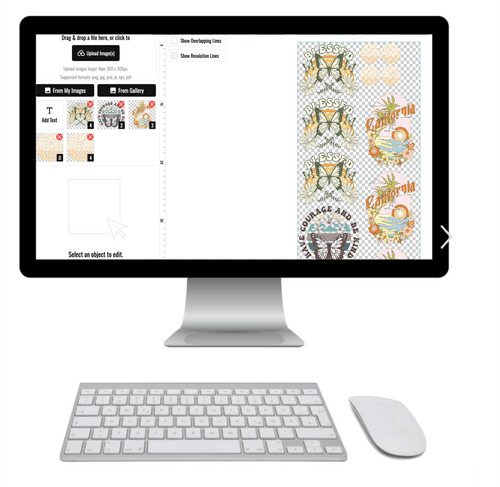
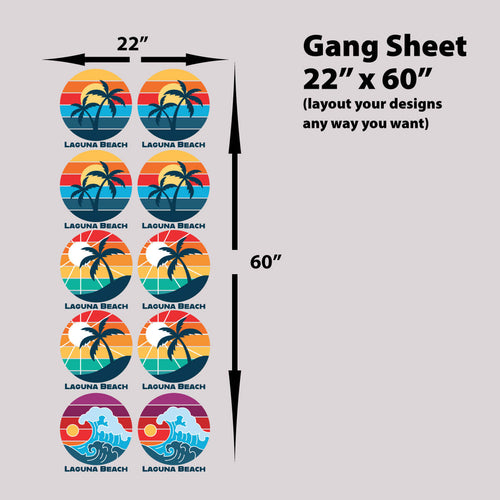
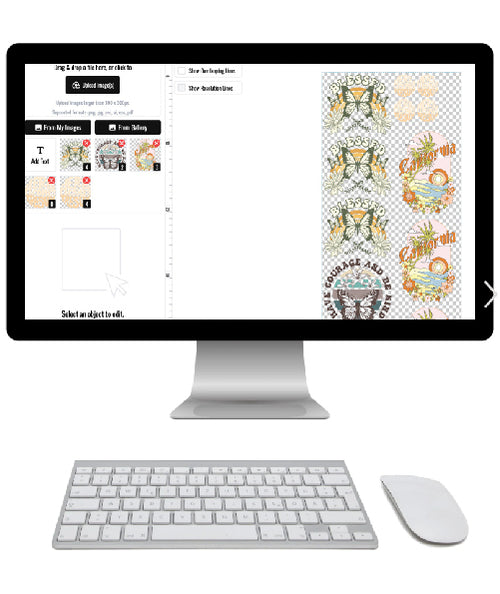
Making this distinction is critical for creating vibrant, professional-looking custom apparel. While this method is great for single projects and testing out new ideas, anyone looking to produce multiple graphics efficiently will find that printing on individual sheets gets old fast. For those ready to scale up, a service with an Auto-build gang sheet builder is far more cost-effective and easier to use. It lets you fit many designs onto a single sheet, cutting down on waste and boosting your output.
Choosing Your Paper Ink and Printer Setup
Getting a professional result with printer heat transfer paper isn’t about just one thing—it’s about the chemistry between your printer, ink, and paper. Think of them as a complete system. When all three work together, your designs come out sharp, vibrant, and durable. Get the combo wrong, and you're looking at faded colors, peeling graphics, and a pile of wasted materials.
The first and most critical step is matching your paper to your printer type. This isn't a friendly suggestion; it's a hard rule. Trying to use inkjet paper in a laser printer (or vice versa) is a fast way to make a costly mistake, like melting polymer all over your printer's fuser unit.
The Great Divide Inkjet vs Laser Printers
The core difference between these two setups is how they get the image onto the paper. Understanding this is key to picking the right supplies for your project.
- Inkjet Printers work by spraying a microscopic mist of liquid ink onto the paper. They are fantastic for rich, photorealistic color and are the go-to for many small shops and hobbyists.
- Laser Printers use a fine powder called toner, which is fused onto the paper with heat. They're champs at producing crisp lines and sharp text, making them a workhorse for high-volume jobs.
This divide is a big deal in the booming customization world. The heat transfer paper market is projected to hit USD 5.8 billion by 2035, with laser printing already holding a massive 42.60% of the market share thanks to its speed and precision. This just goes to show how important it is to get your setup right from day one.
Selecting the Right Ink for Durability
After you've paired your printer and paper, the ink comes next. For anyone using an inkjet printer, your choice of ink directly impacts how well your final product stands up to washing and wear.
There are two main types you'll encounter:
- Dye-Based Ink: This is the standard stuff that comes with most home office inkjet printers. It creates beautiful, bright colors, but it's water-soluble. That means designs will bleed and fade pretty quickly after just a few trips through the laundry.
- Pigment-Based Ink: This is what the pros use for apparel. Pigment inks are water-resistant and offer much better UV stability. A shirt printed with pigment ink will fight off fading and hold its color through dozens of washes, making it the only real choice for products you plan to sell.
For laser printers, things are simpler—you'll stick with the standard toner cartridge made for your specific machine. The heat-fused toner naturally creates a durable, water-resistant finish that’s ready for transfers. To get a better idea of which machine is right for you, check out our guide on choosing a printer for heat transfer paper.
Paper for Light vs Dark Fabrics
The final piece of the puzzle is choosing your paper based on the color of your garment. This decision completely changes how the design looks and even how you set up your artwork file.
Key Insight: It’s not just about the color of the shirt; it's about transparency vs. opacity. Paper for light fabrics is clear, letting the shirt color show through. Paper for dark fabrics has a white base so your design’s colors don’t get lost.
-
For Light Fabrics (Transparent): This paper uses a clear polymer film. Only the inked areas transfer color, while any unprinted space stays transparent. This is exactly why you must mirror your image before printing—you press it face-down, so the image flips to the correct orientation on the shirt.
-
For Dark Fabrics (Opaque): This paper has a solid white, opaque backing. This white layer acts like a built-in primer, making sure your colors pop, even on a black t-shirt. With this paper, you do not mirror your image. You simply peel it off the backing and place it face-up on the garment.
Nailing this combination of printer, ink, and paper will save you hours of frustration and wasted supplies. While this works great for one-off projects, printing designs one-by-one is slow and inefficient if your business is growing. That's where a cost-effective solution like our Auto-build gang sheet builder can really streamline your workflow and cut down on waste.
The Step-by-Step Guide to a Perfect Press
There's something incredibly satisfying about taking a design from your screen and turning it into a real, wearable piece of apparel. With the right printer heat transfer paper and a solid process, you can get clean, professional-looking results every single time. This guide breaks down the entire workflow into simple steps, from prepping your design file all the way to the final press.
This workflow shows you the three essential things you need to get started with heat transfer printing.

It all starts with a compatible printer, the right kind of ink, and the correct transfer paper for the job.
Step 1: Prepare Your Design
Before you even think about hitting "print," your digital file needs to be dialed in. This is where a lot of common mistakes happen, but a little bit of prep work here will save you a lot of headaches later.
First off, check your printer settings. To get those rich, vibrant colors, you'll want to crank the quality up to the highest option—usually labeled "Best," "High Quality," or "Photo." This forces the printer to use more ink, which gives you deeper color saturation on the paper.
Now for the most critical part, which depends on what color fabric you're using:
- For light-colored fabrics: You must mirror your image before printing. The paper gets applied face-down, so flipping the design ensures it shows up the right way on the shirt.
- For dark-colored fabrics: Do not mirror the image. This paper is opaque and gets applied face-up, so you print the design exactly as you want it to appear.
Forgetting to mirror your design for light fabrics is probably the #1 rookie mistake. Always double-check it.
Step 2: Print and Trim
With your file prepped and printer settings maxed out, it’s time to print. Just make sure you load the paper correctly so the image prints on the coated side, not the plain backing.
Once it’s printed, give the ink a few minutes to dry completely. This prevents smudging. Next, you’ll need to carefully trim around the edges of your design. This step is key to avoiding that stiff, boxy outline of unprinted film—the "polymer window"—that can make a shirt look and feel cheap. The closer you can trim to the graphic, the better it's going to look.
Pro Tip: For complex designs with lots of curves and sharp corners, a vinyl cutter with a contour cut function is a game-changer. It delivers perfectly trimmed edges that are almost impossible to get right by hand and saves a ton of time.
Step 3: Press Your Design
Alright, here's where the magic happens. Whether you’re using a professional heat press or a home iron, it all comes down to three things: time, temperature, and pressure. I strongly recommend a heat press for consistent, long-lasting results.
First, pre-press your garment for about 5-10 seconds. This little step removes any hidden moisture and smooths out wrinkles, giving you a perfect canvas for the transfer.
Next, place your trimmed design exactly where you want it on the garment. Always follow the manufacturer's instructions for temperature, time, and pressure, because they can vary quite a bit between different paper brands. A good starting point for cotton is usually around 270-280°F for 10 seconds with medium-to-firm pressure. For a more detailed walkthrough, check out our general guide on how to use transfer paper.
Step 4: The Peel and Finish
The last step is to peel away the paper backing, and how you do this really impacts the final feel and look of the design. There are two ways to go about it:
- Hot Peel: This means you peel the backing paper off immediately after the press opens, while everything is still hot. This usually gives the transfer a softer, more flexible feel because the ink stretches a bit with the fabric.
- Cold Peel: With this method, you let the transfer cool down completely before you even think about touching the paper. A cold peel often leaves a glossier, smoother finish and is required for certain types of paper to get a good bond.
Always check the instructions that came with your paper to know if it's a hot or cold peel. Peeling at the wrong time can completely ruin the transfer. Once you've peeled it, the shirt is done! Just let it sit for 24 hours to fully cure before its first wash.
Common Problems and How to Fix Them
Even when you follow the instructions to the letter, working with printer heat transfer paper can be frustrating. A design that looks perfect on your screen suddenly cracks, peels, or fades after its first trip through the wash. It’s a common story, but the good news is that most of these issues come from just a few culprits—and they’re almost always fixable.
This guide will walk you through how to spot and solve the most frequent problems. A few small tweaks to your process can make all the difference, helping you turn those failed prints into products you’re proud of.
Why Is My Design Cracking and Peeling?
This is, by far, the most common letdown. You press a great-looking shirt, wash it once, and the design comes out looking like a shattered mirror. When this happens, it’s almost always a sign of poor adhesion, typically caused by one of two things.
- Not Enough Pressure: A standard home iron just can't provide the consistent, heavy pressure needed to properly fuse the transfer's polymer layer into the fabric. If that film doesn't melt deep into the fibers, it will lift and peel away in no time. The only real fix here is a quality heat press.
- Wrong Temperature or Time: Too little heat, and the adhesive won't fully activate. Too much heat can scorch the fabric and cook the transfer itself. Always stick to the specific time and temperature settings recommended by the paper manufacturer—they’ve dialed them in for that exact product.
How to Fix Dull or Faded Colors
If your design looks faded or washed out right after pressing, the problem probably started with your printer. The goal is to lay down a rich, saturated layer of ink, but standard print settings are usually set up to conserve ink, not create vibrant graphics.
Key Takeaway: To get those bold, professional-looking colors, you have to go into your printer’s settings and change the quality to "Best" or "High Quality Photo." This forces the printer to use more ink, which is exactly what you need for a punchy final product.
Also, double-check the ink you're using. For inkjet printers, pigment-based ink is a game-changer. It holds up far better against fading and washing than the standard dye-based inks that come with most home office printers.
That Annoying "Polymer Window" or Halo Effect
A "polymer window" is that stiff, clear box you can see and feel around the edges of your design. It happens when the unprinted, clear film from the transfer paper bonds to the shirt along with your graphic.
The only way to get rid of it is to trim as close to the edges of your design as you can before pressing. For simple shapes, scissors work fine. For more complex artwork, a vinyl cutter with a contour cutting feature is the best tool for getting a clean, professional edge that's nearly impossible to do by hand.
While this works for one-off projects, trimming every single design gets old fast when you’re trying to make a bigger batch.
For anyone looking to scale up without the tedious work of printing and trimming each design, our Auto-build gang sheet builder is a far more efficient solution. It lets you arrange dozens of graphics onto a single sheet, saving you a massive amount of time and material. This push for easier customization is part of a bigger trend—the heat transfer paper market is on track to hit US$ 911.5 million by 2032, thanks to the demand for personalized apparel. You can learn more about the factors driving growth in the heat transfer paper market.
Printer Heat Transfer Paper vs DTF Transfers
When your creative hobby starts feeling more like a real business, you eventually hit a crossroads with your production methods. While printer heat transfer paper is a fantastic and accessible way to get started, it’s just one piece of the custom apparel puzzle. On the other side, you have Direct-to-Film (DTF), a modern printing technology that offers a major leap forward in durability, feel, and efficiency.
Understanding the real-world differences between these two will help you decide what’s right for your next project or your growing brand. It really boils down to what you value most: the low startup cost of paper or the professional quality and scalability that comes with DTF.
Feel and Durability: The Wearable Difference
The first thing you’ll notice is how the two feel on a shirt. A design made with heat transfer paper sits right on top of the fabric as a separate layer. Even though modern papers have gotten softer, they still tend to have a slightly stiff, plastic-like feel that’s obvious to the touch.
This surface-level bond is also why these designs are prone to cracking and peeling over time. You can typically expect them to show wear after about 25-30 washes. They're perfect for promotional giveaways or one-off event shirts, but they often don't meet the quality standards needed for a retail clothing line.
DTF transfers, on the other hand, offer a completely different experience. The ink actually bonds into the fabric fibers, leaving a finish that’s much softer, more flexible, and feels remarkably like a high-end screen print.
Color Vibrancy and Detail
Both methods can produce full-color, photo-realistic graphics, but the results aren't quite the same. Printer heat transfer paper depends entirely on your desktop inkjet or laser printer. The quality can be decent, but you're ultimately limited by the capabilities of your home or office equipment.
DTF uses specialized commercial printers and inks to produce transfers with incredibly sharp detail and true-to-life color. The secret weapon here is the white ink underbase used in the DTF process, which ensures every color is intensely vibrant and opaque—even on the darkest fabrics. This is an area where some transfer papers really struggle to perform.
If you want to get into the nuts and bolts of the technology, you can learn more about how DTF transfers work.
The Workflow: No Weeding, Ever
This is where the two methods really part ways, especially when you need to produce more than just a few shirts. The heat transfer paper workflow involves a few manual steps: print the design, let it dry, and then painstakingly trim around the edges to get rid of that ugly "polymer window" background.
That trimming step alone can become a massive bottleneck, especially if your designs are intricate. It’s a tedious but absolutely necessary part of the process if you want a clean, professional look.
DTF completely gets rid of this step. The designs are printed directly onto a film, and only the ink itself gets transferred to the garment. There's no background carrier left behind, which means no weeding and no trimming are ever required. This is a huge advantage that dramatically speeds up production.
For any business looking to scale, this efficiency is a game-changer. Instead of printing and cutting out designs one by one, you can load up a single large sheet with dozens of logos and graphics. For ease of use and maximum cost-effectiveness, our Auto-build gang sheet builder automatically arranges your designs to fit perfectly, saving material and money.
Let's break down the key differences in a simple table.
Feature Comparison: Printer Heat Transfer Paper vs. Lion DTF Transfers
Here’s a head-to-head look at how standard printer heat transfer paper stacks up against professional-grade DTF transfers from Lion DTF.
| Feature | Printer Heat Transfer Paper | Lion DTF Transfers |
|---|---|---|
| Feel on Fabric | Stiff, plastic-like layer on top of the fabric. | Soft, flexible, and integrated into the fabric. |
| Durability | 25-30 washes before cracking or peeling. | 100+ washes without cracking, peeling, or fading. |
| Color Vibrancy | Good, but limited by desktop printer capabilities. | Excellent, with a white underbase for pop on all colors. |
| Weeding/Trimming | Required. Must manually cut around every design. | Not required. No weeding ever. |
| Workflow Efficiency | Slow and manual, best for single items or small batches. | Fast and scalable, ideal for bulk production. |
| Fabric Compatibility | Works best on cotton and poly-cotton blends. | Excellent on cotton, polyester, blends, and more. |
As you can see, while heat transfer paper is great for getting started, DTF is built for professional results and serious growth. The time you save by eliminating weeding alone is a massive win for any print business.
Our Auto-build gang sheet builder is designed to make this even more efficient and cost-effective. You just upload your designs, and the tool automatically nests them to maximize every inch of the film, cutting down on waste and lowering your cost-per-print. It’s the smartest way to move beyond single-sheet printing and scale your production.
Wash and Care for Lasting Designs
You’ve just pressed the perfect design—now what? The goal is to make it last. How you care for a shirt made with printer heat transfer paper is the difference between a design that looks great after dozens of washes and one that cracks after just a few.
The most important rule comes first: wait at least 24 hours before washing. This gives the adhesive time to fully cure and lock into the fabric fibers. It’s a simple step, but skipping it is one of the fastest ways to get premature peeling.
The Golden Rules of Laundry
Once that initial curing time is up, a few laundry habits can dramatically extend the life of your custom gear. These tips are all about protecting the transfer's thin top layer from the harsh environment of a washing machine.
To keep your designs looking sharp, here's what you need to do:
- Turn It Inside Out: This is non-negotiable. Turning the garment inside out prevents the design from rubbing against other clothes and the inside of the machine, which is the main cause of friction damage.
- Wash in Cold Water: Heat is the enemy. Hot water can soften the adhesive and make the design vulnerable to peeling or cracking. Always stick with a cold, gentle cycle.
- Use a Mild Detergent: Stay away from harsh chemicals. That means no bleach and no fabric softeners, as both can break down the polymer film and cause the ink to fade. A simple, mild detergent is all you need.
Drying and Ironing Best Practices
The washing machine is only half the battle; the dryer can do even more damage. The high, direct heat from a machine dryer will absolutely wreck your hard work, causing the transfer to crack, peel, or even melt.
Air-drying is always the best move. Just hang the garment up or lay it flat to dry. If you have to use a machine, make sure it’s on the lowest heat setting possible—or better yet, a no-heat, tumble-dry option.
And if you need to iron the shirt, never let a hot iron touch the design directly. Turn the garment inside out and press the back of it, or throw a protective layer like a pillowcase over the graphic before you press.
Frequently Asked Questions
When you're diving into custom apparel, a few questions always pop up, especially around printer heat transfer paper. We get it. Getting the details right from the start is the key to creating prints you’re proud of and avoiding those frustrating do-overs.
Let's clear up some of the most common questions we hear from everyone, from first-time creators to small print shops.
Can I Use a Regular Home Iron Instead of a Heat Press?
You technically can, but we’d never recommend it for anything more than a single craft project for personal use. A household iron just can't deliver the consistent heat and even pressure needed for a good bond.
You almost always end up with transfers that don't stick properly, look patchy, and start peeling after the first wash. A real heat press is the only way to get a durable, professional finish that’s built to last.
How Long Does Heat Transfer Paper Last on a Shirt?
This really comes down to the quality of the paper, how well you pressed it, and how the shirt is washed. If you need something that can handle the long haul, professional-grade DTF transfers are the way to go. They're designed to withstand over 100 washes with ease.
Key Insight: Longevity isn't just about the paper; it's about the entire process. A perfect press and proper aftercare are just as crucial as the materials you start with.
This is a huge reason why growing businesses eventually move on from heat transfer paper.
Why Do I Need to Mirror My Image Before Printing?
Mirroring your image is only necessary for transfer paper made for light-colored fabrics. Because this paper is transparent, you apply it to the shirt face-down. Flipping the design beforehand ensures it looks correct after you press it.
For opaque paper designed for dark garments, you apply it face-up. So, for those, you do not need to mirror the image. Always double-check this step—it’s a simple mistake that can ruin a perfectly good shirt.
What Is the Best Fabric for Heat Transfer Paper?
Heat transfer paper bonds best with smooth fabrics like 100% cotton, 100% polyester, and cotton/poly blends. If you're just starting out, cotton is the most forgiving material and gives you great adhesion.
Always check the instructions that come with your specific paper, since some are made for certain types of fabric. Stay away from anything with a heavy texture, like a rib-knit, because the transfer won’t be able to sink into the deep grooves. A smooth surface gives you the best shot at a clean transfer. While printing one-off designs works well with this method, preparing multiple jobs is time-consuming. Our Auto-build gang sheet builder provides unparalleled ease of use and cost-effectiveness for anyone looking to scale up production.
Ready to create vibrant, durable designs without the hassle of weeding or trimming? The Lion DTF Transfers team makes it simple to get professional-quality prints that last. Explore our custom transfer options and see how easy it is to scale your business at https://liondtf.com.