
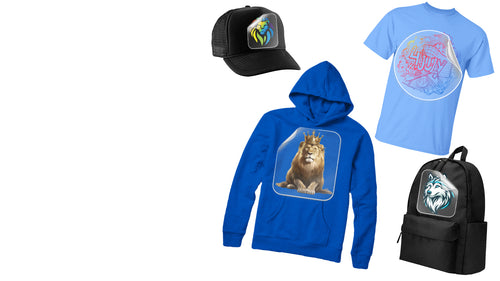



Iron-on t-shirt transfers have come a long way. What started as a fun DIY project has blossomed into a full-blown professional printing method, transforming plain shirts into custom works of art.
While you might remember the old-school transfers applied with a household iron, today's options—especially Direct-to-Film (DTF)—deliver vibrant, tough results that were once only a dream for at-home creators.
From DIY Craft to Pro-Quality Apparel
At its core, the idea has always been simple: use heat and pressure to stick a design onto a shirt. But the technology behind it has changed everything. The flimsy, peel-prone transfers of the past have been replaced by something far more impressive, bridging the gap between a weekend hobby and a serious apparel business.
How It All Started
Back in the 1960s and 70s, iron-on transfers were a cultural staple. They let people wear their favorite bands, political statements, or quirky cartoons right on their chests. Anyone with a household iron cranked up to 300-350°F could press a design onto a polyester or cotton/poly blend shirt in about a minute.
This stuff was everywhere. By 1977, McDonald's was even trading free cheeseburgers for wearing a Ronald McDonald iron-on. It was a craze that proved the power of custom apparel.
But let's be real—those early transfers had problems. They were stiff, cracked after a wash or two, and often faded into a blurry mess. The quality depended entirely on your iron and your patience.
The Modern Leap to DTF
Fast forward to today. The DIY spirit is still there, but the results are on another level, thanks mainly to Direct-to-Film (DTF) transfers.
This isn't your parents' iron-on. Modern DTF transfers offer:
- Serious Durability: We're talking transfers tested to last many cycles without cracking, peeling, or fading.
- Photo-Quality Detail: DTF handles everything from simple text to complex, full-color graphics with stunning clarity. No more muddy colors.
- A Soft, Lightweight Feel: Forget that stiff, plastic-y feeling. DTF bonds with the fabric, creating a flexible finish that moves and stretches with the garment.
It's this jump in quality that has turned a nostalgic craft into a legitimate business model. High-quality, sellable apparel is no longer out of reach.
The biggest takeaway here? You can now get store-bought, professional quality right from your own home or studio. The barrier to entry for creating top-notch custom apparel has never been lower.
For a quick look at how these technologies stack up, here’s a simple breakdown.
Traditional Iron-On vs Modern DTF Transfers
| Feature | Traditional Iron-On | Modern DTF Transfers |
|---|---|---|
| Application | Household iron, inconsistent results | Heat press, consistent heat & pressure |
| Durability | Prone to cracking/fading after a few washes | Lasts many washes with proper care |
| Feel | Often thick, stiff, and plastic-y | Soft, flexible, and lightweight |
| Detail | Limited color and detail, often blurry | Photo-quality, vibrant, full-color designs |
| Fabric | Best on cotton/poly blends | Works on cotton, polyester, blends, and more |
As you can see, modern DTF is a game-changer, especially for anyone serious about quality.
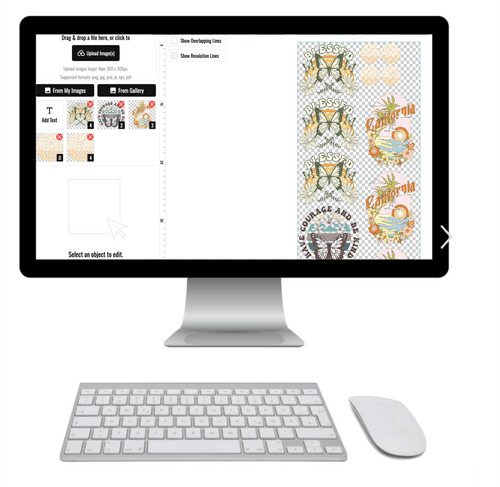
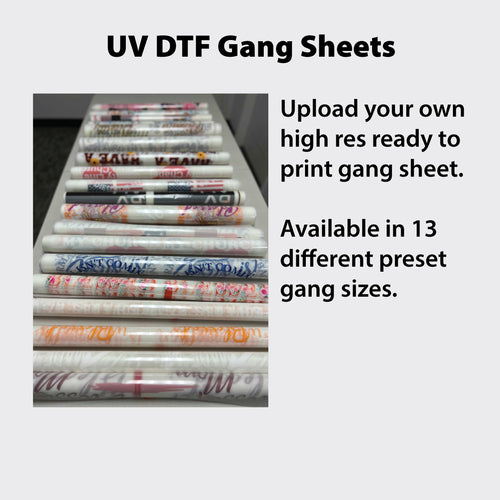
If you’re looking to create multiple designs, ordering your prints on a single large sheet is the smartest move. Our Auto-build gang sheet builder helps you arrange all your designs to maximize space, which dramatically cuts down the cost per print. It makes producing professional-grade custom apparel easy and affordable, no matter the scale.
Curious how DTF fits into the bigger picture? Check out our guide on the different types of t-shirt printing methods to see where it stands against other popular techniques.
Choosing Your Tools: The Iron vs. Heat Press Showdown
The final quality of your custom apparel comes down to two things: heat and pressure. Whether you’re just making one shirt for fun or launching a full product line, the tool you use here is what separates a stiff, peeling design from a soft, durable, and professional print.
This brings us to the main event in the world of iron t-shirt transfers: the household iron versus a dedicated heat press.
The Household Iron: A Good Starting Point
Almost everyone has an iron, which makes it the most accessible tool for anyone just dipping their toes into custom apparel. For a one-off project, like a gag gift or a shirt for a single event, a standard iron can get the job done. It’s a low-cost, low-commitment way to experiment.
But let's be real—using an iron comes with some serious challenges you'll have to overcome.
- Inconsistent Heat: A household iron is not built for even heating. Its surface has hot spots, usually in the middle, and much cooler areas around the edges and steam holes. This means parts of your transfer might stick perfectly while others fail to bond at all.
- Pressure Problems: A good transfer needs firm, even pressure. When you use an iron, you are the pressure source, and it's almost impossible to apply the 40-80 PSI needed for a professional bond across the whole design. Your arms will get tired, and the pressure will be all over the place.
- No Timer: Timing is critical. Too long, and you can scorch the fabric or melt the transfer. Too short, and it'll start peeling after the first wash. You’ll be stuck guessing and using your phone's timer.
Even with all that, you can get a decent result with an iron if you’re patient. You have to press down with your full body weight, lift and press section by section, and hope you covered every spot evenly.
The Heat Press: The Professional Standard
If you're serious about creating durable, sellable t-shirts, a heat press isn't a luxury—it's a necessity. Think of it as the difference between baking a cake in a toy oven versus a professional convection oven. You might get a cake from both, but the quality and consistency will be worlds apart.
A heat press is engineered for one job: applying heat and pressure evenly, accurately, and consistently. This is what makes it the gold standard for all types of heat transfers, especially modern premium options like DTF.
The heat transfer revolution of the mid-20th century was sparked by the household iron. Early consumer iron-ons used plastisol-like inks on paper, activated by irons at 325°F for 20-30 seconds. While this made custom apparel accessible to everyone, commercial printers quickly realized a dedicated press gave them far superior results, allowing them to beat screen printing for one-off jobs. You can learn more about the history of heat printing and its evolution on howardct.com.
Why a Heat Press Wins Every Time
Here’s a side-by-side look at what makes a heat press the clear winner.
| Feature | Household Iron | Heat Press |
|---|---|---|
| Temperature | Inconsistent, with hot & cold spots | Precise digital control, even heat |
| Pressure | Uneven, depends on user strength | Adjustable, even, and consistent pressure |
| Timer | Manual timing required | Built-in, automatic timer |
| Size | Small, requires multiple presses for large designs | Large platen covers most designs in one press |
| Results | Prone to peeling, cracking, and fading | Durable, wash-resistant, professional finish |
Using a heat press gets rid of the guesswork. You set the exact temperature and time, lock down the platen for perfect pressure, and wait for the aural beep. This repeatable process is absolutely essential for producing consistent results, whether you’re making one shirt or a hundred.
For any business or creator who cares about efficiency and cost, consistency is everything. When you order from our Auto-build gang sheet builder, you’re getting multiple high-quality designs on one sheet to save money. Protecting that investment with a reliable application method ensures every single print is sellable, maximizing your profit and protecting your brand's reputation.
Your Guide to a Flawless Transfer Application
This is where the real work begins—turning a printed film into a durable, wearable piece of art. A flawless press is what separates a homemade-looking shirt from a professional product that people will actually want to buy and wear. The process isn't difficult, but it absolutely requires attention to detail.
We'll walk through the essential steps for applying your iron t-shirt transfers, with specific tips for both a household iron and a professional heat press. Getting this right is the key to making sure your designs look fantastic and last wash after wash.
The Most Important First Step: Preparation
Before you even think about applying heat, you need to prep your garment. I can't stress this enough. This single step is the most common reason why transfers fail, and it's incredibly easy to get right.
Every shirt, even one that feels completely dry, holds onto moisture from the air and has tiny, almost invisible wrinkles. If you press a transfer over these, you're just trapping steam and creating an uneven surface. The result? A weak bond that will peel or crack the first time it goes through the laundry.
The fix is a simple pre-press.
- For Heat Press Users: Lay your t-shirt on the lower platen and press it for 5-10 seconds at your target temperature. You’ll probably see a little steam rise—that's the moisture you want to get rid of.
- For Iron Users: Go over the application area with your hot, dry iron for about 15 seconds. Make sure the area is completely flat, smooth, and warm to the touch.
This quick step removes both moisture and wrinkles, creating the perfect canvas for your transfer to permanently bond with the fabric fibers. Don't skip it.
Perfect Placement and Alignment
Once your shirt is pre-pressed, it's time to place the design. Just eyeballing it is a recipe for crooked or off-center graphics that immediately scream "amateur." A few seconds of measuring makes all the difference.
A solid rule of thumb for standard adult t-shirts is to position the top of your design 3-4 inches below the collar. Use a t-shirt alignment ruler or even a simple tape measure to make sure it’s perfectly centered and straight.
Take your time here. Once you apply heat, that design is permanent. It pays to double-check your alignment before you press.
The Press and Peel Process
With your transfer perfectly positioned, you're ready to go. Whether you're using an iron or a heat press, the three key ingredients for success are always time, temperature, and pressure.
This chart breaks down how the two tools compare in delivering those ingredients.

As you can see, a heat press gives you a far more controlled and repeatable process, which is critical for consistent, professional-quality results.
Using a Heat Press (Recommended)
A heat press is the best tool for the job because it locks in the variables for you. For our premium hot-peel DTF transfers, these are the settings that work every time:
- Temperature: 240-280°F
- Time: 7-10 seconds
- Pressure: Firm and even
Always place a Teflon sheet or a piece of parchment paper over the transfer before pressing. This protects both your design and the heat platen. Once the timer goes off, open the press and get ready to peel.
Using a Household Iron
If an iron is all you have, you have to be methodical to get a good result. Set it to the highest setting (usually "Cotton" or "Linen") and make absolutely sure the steam function is turned off. Steam is the enemy of a good press.
Press down with firm, even pressure for 15-20 seconds in one spot, using your body weight to get enough force. Do not slide the iron around like you're ironing a wrinkled shirt. If your design is larger than the iron, lift it completely, move to the next section, and press again, overlapping the previous spot slightly to prevent any cold spots. It's tedious, but it's the only way to mimic the consistent pressure of a heat press.
Pro Tip: A successful press melts the transfer's adhesive into the fabric fibers. After you peel the film, you should be able to see the texture of the shirt’s fabric through the ink. If the design looks like a shiny sticker sitting on top of the shirt, it didn't get enough heat or pressure.
Hot Peel vs. Cold Peel: What You Need to Know
The final step—peeling the carrier film—is time-sensitive. Transfers are typically either hot peel, warm peel, or cold peel. Our DTF transfers are hot peel, which means you remove the film immediately after pressing while it's still hot.
Peeling hot is what creates that soft, flexible finish that feels like part of the shirt. It allows the ink to fully settle into the fabric while it's still pliable. If you wait for it to cool, you can get a stiff, plastic-like feel and risk adhesion problems.
As soon as you open the press or lift your iron, peel the clear film off in one smooth, confident motion. If you notice any part of the design starting to lift with the film, stop immediately. Lay the film back down, cover it with your Teflon sheet, and press it again for another 5-7 seconds to lock the bond in place.
Follow these steps, and you'll get a flawless application every time. This consistency is especially important when you’re running a business and producing multiple items. Using our Auto-build gang sheet builder is a fantastic way to get a ton of designs affordably, and pairing those sheets with a reliable application method ensures none of that investment goes to waste.
Maximize Your Designs with DTF Gang Sheets

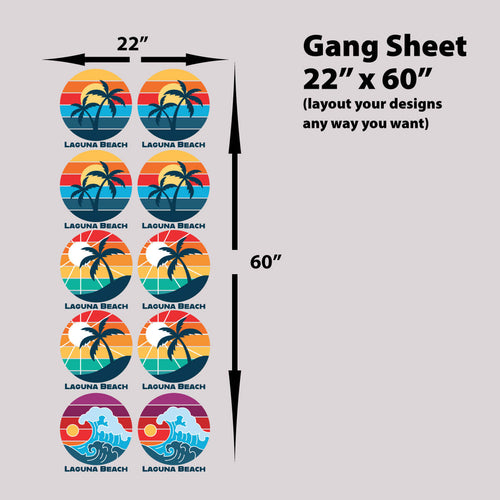
For any creator or business serious about custom apparel, efficiency is just as important as creativity. Once you move beyond making a single shirt and start thinking in terms of dozens or hundreds, the cost per print becomes a critical metric. This is where Direct-to-Film (DTF) gang sheets become an absolute game-changer.
When you order your iron t-shirt transfers on a gang sheet, you’re buying film by its length—not by the number of individual designs on it. Instead of paying for each separate logo or graphic, you pay for one large sheet and pack as many designs onto it as possible. This simple shift in purchasing dramatically lowers your cost for each transfer, making it far more profitable to produce apparel.
Unlocking Efficiency with an Auto-Build Gang Sheet Builder
Manually arranging dozens of different-sized designs to use every square inch of film can be a real headache. Thankfully, modern tools make all the difference. Using our Auto-build gang sheet builder turns a tedious task into a quick, automated process.
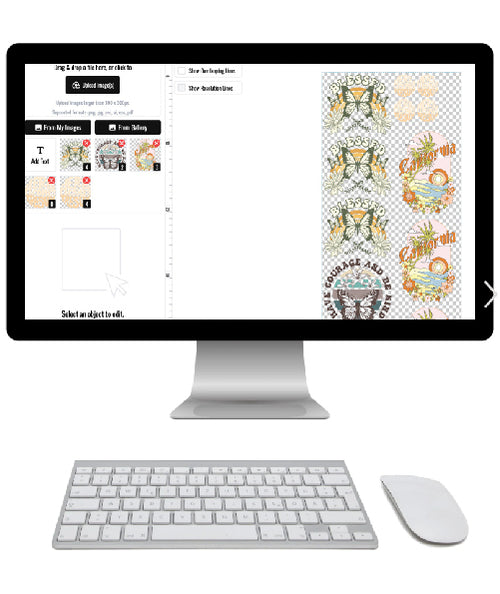
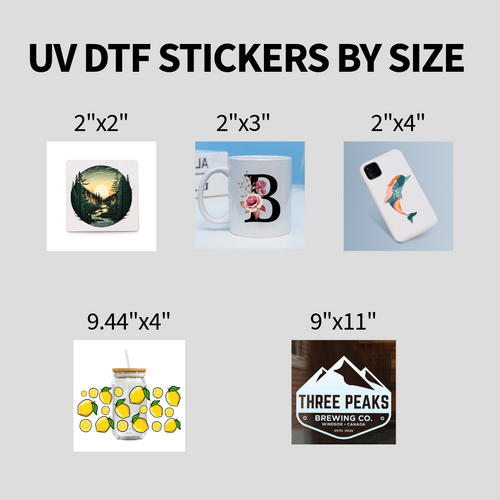
The builder's interface lets you upload all your designs at once—your main graphics, pocket logos, neck tags, and anything else you need. The software then automatically nests them together, optimizing their placement to minimize wasted space. You can instantly see how your designs fit and make adjustments on the fly.
This approach gives you a few major advantages:
- Cost-Effectiveness: It's the single best way to reduce your per-print cost. By combining multiple jobs or design variations onto one sheet, you can get professional transfers for just pennies.
- Time Savings: Forget spending hours in design software trying to manually create a layout. The builder does the heavy lifting in seconds, freeing you up to focus on other parts of your business.
- Flexibility: Easily mix and match designs for different clients, events, or product lines all in one order.
Using an auto-builder isn't just about saving money—it's about smart inventory management. You can print a few extra of your best-selling designs and some new experimental ones on the same sheet. This lets you test new products without a big upfront investment.
Creating a Batch-Pressing Workflow
Once your gang sheets arrive, your efficiency gains continue. The key is to set up a smooth, organized batch-pressing workflow. Trying to press a large order one shirt at a time from start to finish is slow and prone to mistakes. A batch process breaks the job down into simple, repeatable stages.
First, get your workspace organized. Lay out your blank garments, your gang sheet of transfers, your heat press, and have a separate area for finished products. Cut your designs from the gang sheet and group them by garment size or color.
Next, pre-sort your apparel. If you're pressing an order of 50 shirts in various sizes, sort them into stacks of small, medium, large, and so on. This keeps you from constantly readjusting your press or hunting for the next blank.
Now, you can start your workflow in stages:
- Pre-Press in Batches: Take a whole stack of shirts (like all the mediums) and pre-press them to get rid of moisture and wrinkles.
- Position and Press: Go back through that same batch, placing and pressing the transfers on each one.
- Quality Control and Fold: Move the finished batch to a cooling and inspection station to finish the job.
The Final Quality Control Checkpoint
This last step is the most important one for protecting your brand's reputation: quality control. Before any shirt gets folded and packed, give it a quick but thorough inspection.
Check for proper alignment, make sure the transfer is fully bonded (you should see the fabric texture through the ink), and look for any scorching or discoloration on the garment. Creating this final checkpoint ensures every t-shirt that leaves your shop meets a professional standard. This commitment to quality, combined with the cost effectiveness of gang sheets, is the foundation of a successful apparel business. You can explore our complete guide to DTF gang sheets to learn even more tips for optimizing your print jobs.
Troubleshooting Common Transfer Application Issues
Even the most experienced pros hit a snag now and then when applying iron t-shirt transfers. Don't sweat it—most problems are simple to fix once you know what to look for. Think of this as your field guide for figuring out what went wrong and how to make it right.
Nearly every application headache can be traced back to one of three things: heat, pressure, or time. If one of those elements is off, your results will be, too. Let's walk through the most common issues and get your press running smoothly.
Why Your Transfer Is Not Sticking
This is the most common and frustrating problem. You do everything by the book, go to peel the film, and the design comes right up with it. Nine times out of ten, this is a clear signal of not enough pressure, not enough heat, or sneaky moisture in the fabric sabotaging the bond.
If you’re using a household iron, inconsistent pressure is almost always the culprit. It's practically impossible to generate the 40-80 PSI needed for a permanent bond with arm strength alone. You’ll often see the design stick in the middle where you pressed hardest, but the edges will lift right off.
- The Fix: When using an iron, you need to use your full body weight. Press on a hard, flat surface (an ironing board is too flimsy) and press one section at a time for 15-20 seconds before moving to the next. If you're on a heat press, make sure your pressure is set to "firm"—the press should take a good bit of effort to lock down.
Another huge reason for failure is skipping the pre-press. Every garment holds some moisture, and when you apply heat, that moisture turns to steam and pushes the transfer away from the fabric. Always pre-press your shirt for 5-10 seconds to give yourself a perfectly dry surface to work with.
Solving Peeling or Cracking After Washing
There’s nothing worse than a transfer that looks perfect right off the press but starts to peel or crack after the first wash. This is a dead giveaway that the adhesive didn't fully melt and anchor itself into the fabric fibers.
This problem is almost always tied to your application settings. The adhesive has a sweet spot—a specific temperature window where it activates correctly. For our DTF transfers, that's typically between 240-280°F.
Here's a pro tip: You can spot a solid press just by looking at the finish. After peeling, you should be able to see the texture of the t-shirt fabric through the ink. If the transfer looks like a shiny sticker sitting on top of the fabric, the bond is weak and will almost certainly fail.
To fix this, get an infrared temperature gun and check your heat press. The digital display on a press can be inaccurate over time. If your temperature is on point, try increasing your press time by a few seconds or cranking up the pressure to force that adhesive deeper into the garment.
Dealing with Fabric Scorching or Discoloration
Ever pull a shirt off the press and see a faint yellowish box or a shiny outline around your design? That’s scorching. It happens when your heat setting is too high for the fabric, and it's especially common with sensitive materials like polyester and some blends.
Here are a few ways to solve it:
- Lower the Heat: Start by dropping your press temperature in 5-10 degree increments until you find the point where scorching disappears.
- Shorten the Time: You can also try shaving 2-3 seconds off your press time. Often, a shorter press at the right temperature is all you need for a solid bond.
- Use a Protective Cover: A Teflon sheet or a piece of parchment paper is a must-have. It acts as a barrier, evening out the heat and protecting delicate fabrics from the direct heat of the platen.
For creators running a business, ordering transfers using our Auto-build gang sheet builder is a fantastic way to keep costs down. But that value disappears if your garments are getting ruined during application. Taking a few minutes to dial in your settings for each fabric type is an investment that protects your inventory, your profits, and your brand's reputation.
How to Care for Your Custom T-Shirts
A perfectly pressed shirt is only half the battle. After all that work, the last thing you want is for a great design to crack or fade after just a few washes. Proper care is what separates a shirt that looks good for a month from one that looks great for years.
The two biggest enemies of any heat-applied graphic are high heat and aggressive friction. Getting the aftercare right protects the transfer's bond to the fabric, helping your shirt's durability standard that quality DTF is known for.
The Golden Rules of Washing and Drying
Whether you're selling to customers or washing your own creations, these are the non-negotiable rules for garment care.
- Turn It Inside Out: This is the single most important step. Turning the garment inside out before it goes into the wash protects the print from rubbing against other clothes, zippers, and buttons.
- Wash with Cold Water: Always use a cold water cycle. Hot water can slowly weaken the transfer’s adhesive and cause colors to bleed or fade over time.
- Use a Mild Detergent: Stick to gentle detergents. Harsh chemicals, bleach, and even some fabric softeners can degrade the ink and compromise its bond with the fabric.
Think of it this way: the ink in a DTF transfer has a semi-elastic quality. High heat in the wash can make it too soft and pliable, leaving it vulnerable to peeling or damage. Cold water keeps it stable.
Best Practices for Drying
Drying is just as critical as washing, and this is where most damage happens.
The absolute best method is to hang dry. If you must use a machine, tumble dry on the lowest heat setting or use an air-fluff cycle with no heat at all. High dryer heat is the fastest way to ruin a transfer, causing it to shrink, crack, or peel right off the shirt.
Passing this knowledge on is a key part of delivering a professional product. For a shareable guide, you can find our official pressing and shirt care instructions to make sure every shirt you create stays looking fantastic.
Frequently Asked Questions About T-Shirt Transfers
Getting into custom apparel means you're going to have questions. Here are the answers to the most common ones we hear about using T-shirt transfers, so you can get professional, durable results on every single press.
Can I Use Iron-On Transfers on Any Fabric?
Not exactly. While modern DTF transfers are incredibly versatile, they aren't a one-size-fits-all solution for every fabric. They work great on cotton, polyester, poly/cotton blends, canvas, and even some treated textiles.
The key is to always check the manufacturer’s recommendations first. Matching the correct temperature and pressure settings to your specific fabric is what separates a perfect press from a scorched garment or a weak bond that won't last.
Why Are My Transfers Peeling After Washing?
Peeling almost always comes down to one of three things: not enough pressure, the wrong temperature, or skipping the pre-press. Your heat source has to deliver firm, even pressure at the right heat (usually 240-280°F for DTF) for the adhesive to properly melt into the fabric's fibers.
A good press melts the transfer’s adhesive into the fabric, not just onto it. After you peel the film, you should be able to see the texture of the shirt’s fabric through the ink. If it looks like a shiny sticker sitting on top, the bond is weak and it's going to fail in the wash.
Don't skip the pre-press, either. Pressing the blank garment for 5-10 seconds removes hidden moisture and chemicals from manufacturing that can ruin an otherwise perfect application.
Are Gang Sheets Really More Cost-Effective?
Absolutely. For anyone producing custom apparel, using gang sheets is one of the smartest ways to lower your cost per print. Instead of paying a separate price for each individual design, you just pay for the total film area you use.
This is where having the right tools makes a huge difference. Our Auto-build gang sheet builder provides unparalleled ease of use, letting you quickly arrange multiple logos, pocket designs, and full-size graphics onto one sheet. Its automated nesting feature guarantees maximum cost effectiveness. For a business, this means you can combine several small jobs into a single, highly affordable order, making professional-quality apparel profitable even at a small scale.
Ready to create durable, eye-catching custom apparel with less hassle? Lion DTF Transfers provides premium, hot-peel DTF transfers that are vibrant, soft, and built to last. Check out our easy-to-use gang sheet builder and see just how affordable professional quality can be.