



You're probably staring at a supplier page with a dozen hoodies open in different tabs, all of them claiming to be premium, soft, retail-ready, or ideal for printing. One looks heavier. Another has a better silhouette. A third seems safer for margin. None of that helps if the print looks rough, the fit shifts between restocks, or the hoodie feels cheap the first time a customer puts it on.
That's the fundamental aspect of high quality blank hoodies. They aren't just garments. They become your product, your print surface, your return policy, and your customer's first impression of your brand.
Most new brand owners make the same early mistake. They buy based on price alone, or they buy based on style alone. The smarter move is to judge blanks the way a decorator does. Start with fabric, check the face for printability, inspect construction, and then ask whether the final unit still leaves room for profit.
Choosing the Right Hoodie Your Brand Depends On It
A new brand usually wants three things from one hoodie. It needs to feel premium, print clean, and leave enough margin to keep the business moving. That sounds simple until you start comparing blanks and realize those three goals don't always line up.
A fashion-forward blank might look great in product photos but give you a trickier print surface. A dependable fleece hoodie might decorate well but not match the silhouette your audience wants. A lower-cost option might work for a school order or event merch run, but it can undercut the brand experience if you're trying to sell a more premium product.
That's why choosing a hoodie isn't a basic purchasing decision. It's a brand decision. If you're still weighing entry-level and mainstream options, this breakdown of Gildan custom hoodies helps frame where a reliable workhorse blank fits in the market.
The blank controls more than comfort. It affects print clarity, reorder consistency, and whether customers think your brand is worth buying again.
When decorators talk about high quality blank hoodies, they're not talking about hype. They're talking about repeatable results. The hoodie has to hold up on the press, survive washing, and still look intentional after it leaves your shop.
Decoding Hoodie Quality Beyond the Price Tag
Price can point you in the right direction, but it doesn't tell you enough. Two hoodies can sit in a similar price band and perform very differently once you decorate them. Key indicators are in the spec sheet and in the garment itself.
Industry buying guides now define premium hoodies with measurable details such as 10 oz / 330 GSM fleece, 70% cotton / 30% polyester blends, and wholesale pricing around $16 to $27 for higher-end blanks, which shows how quality is tied to weight, fiber mix, and finishing rather than price alone, as noted in this premium blank hoodie buying discussion.

Start with fabric weight
GSM means grams per square meter. In plain terms, it tells you how dense the fabric is. A higher GSM hoodie usually feels thicker, warmer, and more structured.
For premium blanks, fabric weight matters because it changes how the garment hangs on the body and how it holds up over time. Technical guidance also notes that heavyweight fleece in the 350–400 gsm range is used for thick, durable hoodies, and that 3-end fleece uses more yarn and is more complex to manufacture, which is associated with a softer interior and a more premium feel, according to this hoodie printing guide from VistaPrint.
Here's a simple way to think about it:
| Factor | What it tells you | What it usually means in practice |
|---|---|---|
| Lower GSM | Lighter fabric | Easier layering, less structure |
| Higher GSM | Denser fabric | More body, warmth, and premium feel |
| 3-end fleece | More complex construction | Softer interior and stronger high-end impression |
Fabric composition changes the feel
The fiber blend affects softness, structure, shrink behavior, and surface character. A cotton-rich hoodie often feels more natural and retail-friendly. A cotton-poly blend usually gives you a more stable garment with better shape retention.
That doesn't mean one blend is always better. It means the right blend depends on what you're selling.
- Cotton-forward blanks often feel more natural in hand and can suit brands chasing a softer, more premium look.
- Cotton-poly blends usually offer a practical balance of comfort and durability.
- Heavier fleece blends often hold shape better and create a more substantial silhouette.
Construction quality shows up in wear
A hoodie can feel good on day one and still be a poor buy. If the seams twist, the ribbing stretches out, or the body loses shape, customers notice fast.
Practical rule: Judge quality in layers. First the fabric weight, then the blend, then the fleece construction, then the build.
That's how experienced buyers separate a hoodie that only looks premium on a hanger from one that performs like a premium blank after decoration and wear.
The Critical Link Between Fabric and Printability
A hoodie can feel expensive and still be a bad print surface. For decorators, that's where a lot of money gets lost. If the fabric face is rough, fuzzy, or inconsistent, the design won't look as sharp as the mockup promised.
For decorated apparel, the face of the fabric matters as much as the blend. A smooth surface gives your transfer cleaner contact, better detail, and a more polished finished print.

What decorators want in a print surface
The safest substrate for decorated hoodies is a smooth cotton-face, ring-spun cotton, or cotton-blend hoodie because the smoother face improves ink or film contact. Industry guidance also notes that DTG performs best on hoodies with 80%+ cotton, while DTF works well on polyester or blended fabrics, making fabric-face composition one of the strongest predictors of print fidelity and durability, as explained in this Printful guide on blank hoodies for printing.
For DTF users, that flexibility matters. You're not boxed into one fabric type the way you are with DTG. But flexibility doesn't mean every hoodie decorates equally well.
A quality blank for DTF usually gives you:
- A smoother face so the transfer sits cleanly and looks sharper
- Less surface fuzz so small details don't get visually lost
- More consistent texture across the print zone, which helps repeatability
If you want a deeper breakdown of how fabric choice affects transfer results, this guide on polyester vs cotton for DTF transfers is worth reviewing before you lock in a blank.
Where hoodies start causing problems
The trouble usually starts when a hoodie is chosen for trend value first and decoration second. Vintage washes, textured finishes, and fashion treatments can look strong in branding terms, but they can complicate print clarity and consistency.
That doesn't make them bad blanks. It means they need to be chosen with open eyes.
A hoodie that sells on silhouette alone can disappoint once you add artwork. Decorators have to judge the garment after printing, not before.
A practical shop test is simple. Look at the chest panel under light. If the face looks uneven, hairy, or heavily textured, expect the final print to reflect that surface. DTF can handle a wider range of fabrics, but a smoother blank still gives you the safer, cleaner result.
Construction Details That Signal Durability
Fabric gets most of the attention, but construction is what decides whether the hoodie still looks good after repeated wear. Customers rarely talk about seam quality in reviews. They talk about sleeves stretching, cuffs going loose, pockets sagging, and hoods losing shape. That all comes back to construction.

Check the parts that fail first
When you sample a hoodie, inspect the stress points before you think about color options or private labeling. The weak spots show up quickly.
Look closely at these areas:
- Seams and stitching. Clean, reinforced stitching usually signals a garment built for repeated use rather than a quick sale.
- Cuffs and waistband ribbing. Good ribbing should recover its shape instead of staying stretched.
- Pocket attachment. A pouch pocket that feels loose or uneven now usually looks worse after washing.
- Drawcords and eyelets. These details affect perceived value more than many buyers realize.
A blank doesn't need flashy hardware to be good. It does need stable assembly.
Signs of a hoodie built for repeat wear
A strong hoodie feels coherent. The body weight matches the hood. The cuffs don't feel thinner than the torso. The hood opening doesn't collapse. The seams lie flat.
Here's a useful way to inspect a sample in person:
| Area | What to check | What a bad sign looks like |
|---|---|---|
| Cuffs | Stretch and rebound | Loose recovery or waviness |
| Side seams | Straight alignment | Twisting or uneven construction |
| Hood | Shape and balance | Thin, floppy, or distorted paneling |
| Symmetry and attachment | Pulling, puckering, loose corners |
This video gives a useful visual reference for the kind of garment details decorators and buyers tend to inspect before committing to a blank:
Better construction doesn't just protect the garment. It protects the print, because the design looks worse when the hoodie body twists, sags, or shrinks unevenly.
That's why high quality blank hoodies should be judged as finished products, not just fabric shells.
Sizing Fit and Why Consistency Is Key
A hoodie can have the right feel, the right print surface, and the right price, then still become a problem because the sizing moves around from batch to batch. That's one of the fastest ways to burn customer trust.
Most brands choose a fit identity early, even if they don't say it out loud. Some want a standard, familiar fit. Others want a slimmer retail silhouette. Others want the oversized streetwear shape that customers expect right now. Any of those can work if the sizing remains stable across reorders.
Fit is part of the product
Customers don't separate your artwork from the garment. If the fit feels wrong, they blame the brand, not the mill.
A practical way to think about fit categories:
- Classic fit works well for broad audiences, event merch, and general retail.
- Retail fit usually feels more branded and style-conscious.
- Oversized fit can support trend-driven collections, but it needs especially clear sizing communication.
The mistake is switching blanks too casually. A new supplier may seem close enough on paper, but even small fit differences create friction in e-commerce and repeat ordering.
Consistency beats novelty
One of the most useful buying lessons is this. A blank with dependable measurements is often more valuable than a more interesting blank with unpredictable sizing.
Recent buyer commentary on premium blanks highlights exactly that tradeoff. The best hoodie for branding isn't always the best for decoration or margin, and production reliability, including consistent sizing, smooth print surfaces, and shrink behavior, is a separate buying criterion from aesthetic premiumization, as discussed in this buyer-focused video on premium blank tradeoffs.
That matters for small brands because fit inconsistency causes operational pain in places customers never see:
- Customer service has to answer fit complaints
- Reorders become risky if previous buyers expect the same garment
- Photography and product pages stop matching what ships
- Returns and exchanges eat time and margin
If you plan to reorder a hoodie, test the second shipment with the same scrutiny as the first. Reliability is proven over time, not in one sample.
A blank is only high quality if you can build a product line around it without surprises.
The Decorator's Dilemma Cost Versus Value
New brand owners often find themselves at a crossroads: Should you spend more on a premium blank, or use a more economical hoodie and protect margin? There isn't one right answer. There is only the right answer for the kind of product you're selling.
The mistake is treating cost and value like they're the same thing. They aren't. Cost is what you pay upfront. Value is what the hoodie lets you charge, how well it decorates, how often it gets complaints, and how confidently you can reorder it.

When a premium blank makes sense
A higher-cost hoodie usually makes more sense when the garment itself is part of the brand story. If you're selling a fashion-minded drop, a heavier or style-led blank can support the price point and customer expectation.
That said, a premium-looking hoodie can still create problems if it complicates decoration or introduces sizing and shrink uncertainty. The practical tradeoff is well established. The best hoodie for branding, such as a vintage wash, isn't always the best hoodie for decoration or margin, and production reliability should be evaluated separately from aesthetic premiumization, as noted in the earlier buyer guidance.
When the workhorse blank wins
For school apparel, event merch, staff gear, and repeat logo orders, the most profitable blank is often the one that stays predictable. It may not be the most fashion-forward piece in the catalog. It may be the one that prints cleanly, fits consistently, and doesn't create avoidable remakes.
A simple decision framework helps:
| Situation | Better priority |
|---|---|
| Fashion drop | Silhouette, hand feel, brand presentation |
| Repeat merch order | Consistency, stock reliability, print surface |
| School or team run | Margin control, size spread, dependable finish |
| Fast-turn custom jobs | Easy decoration, low risk, stable sourcing |
Protecting margin on any blank
Decoration cost changes the math. If you can lower waste and place artwork efficiently, more blanks become viable.
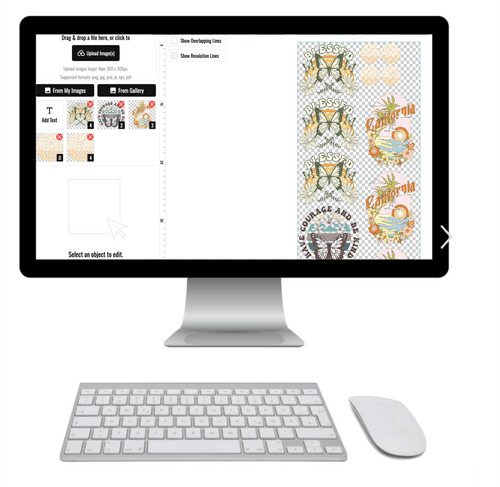
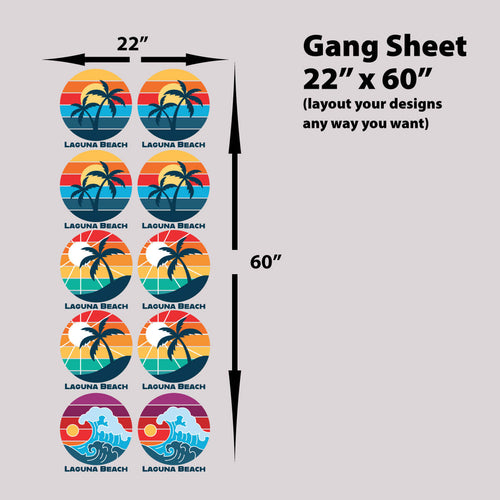
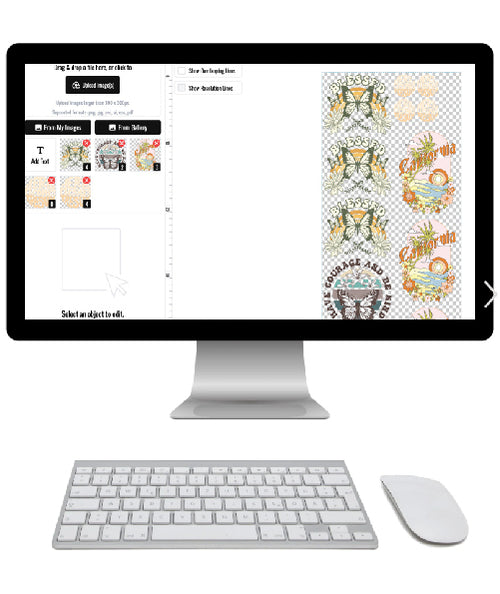
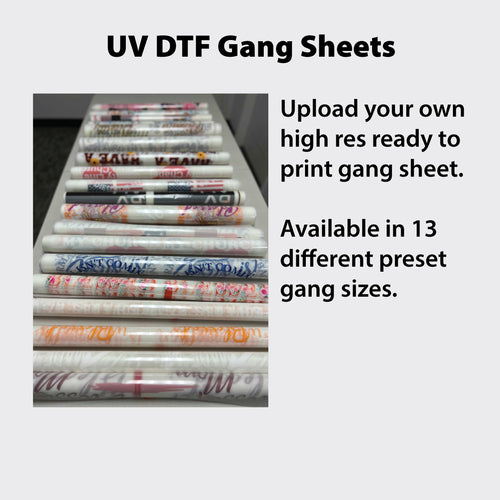
For shops running DTF, tools that organize multiple designs onto one sheet help control unit cost. Lion DTF Transfers offers an Auto-build gang sheet builder, which assembles designs for easier layout planning and more cost-effective sheet use when you're producing hoodie orders with mixed graphics or size runs.
Margin doesn't come from buying the cheapest blank. It comes from choosing a blank that matches the job, then decorating it efficiently.
That's the practical way to buy high quality blank hoodies. Don't chase premium for its own sake. Don't chase cheap for its own sake either. Buy for the outcome you need.
A Practical Guide to Sourcing and Testing Blanks
The safest way to choose a hoodie is to stop buying from product photos and start testing like a shop. Samples cost less than bad inventory decisions.
Before you commit to a blank, build a small evaluation routine. It doesn't need to be complicated. It needs to be repeatable.
Use a simple sample checklist
Run every new hoodie through the same test process:
- Order the sample in the colors you'll sell. Some garments feel different across colors or dye lots.
- Inspect the surface before decoration. Focus on the chest print area, not just the overall softness.
- Apply your transfer artwork. Use a design with fine detail, solid areas, and type so flaws show up clearly.
- Wash and dry the sample the way customers will. Then recheck print feel, body shape, and rib recovery.
- Wear it for a day. You'll notice pilling, heat retention, hood balance, and overall comfort quickly.
Vet the supplier, not just the garment
A good blank from an inconsistent supplier still creates headaches. Ask practical questions before you scale.
- Stock depth matters if you expect reorders.
- Color consistency matters if you'll restock core shades.
- Size continuity matters if the hoodie becomes part of your permanent line.
- Communication speed matters when an order window is tight.
If you're still building your supplier shortlist, this guide to wholesale blank apparel suppliers is a useful starting point.
Sample testing should answer one question. Can this hoodie survive production, shipping, washing, and a second order without creating new problems?
If the answer is uncertain, keep looking.
Conclusion Your Blueprint for Choosing the Best Blanks
High quality blank hoodies aren't defined by hype words. They're defined by how the fabric feels, how the face prints, how the garment is built, and whether the numbers still work for your business. The right blank is the one that fits your brand, supports clean decoration, and stays consistent when it's time to reorder.
If you choose blanks with a decorator's mindset, you'll avoid most of the expensive mistakes early brands make. Then the artwork has a better chance of looking the way you intended, every time.
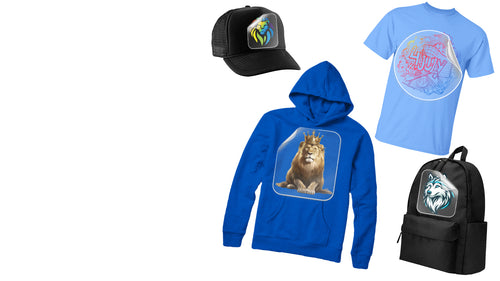
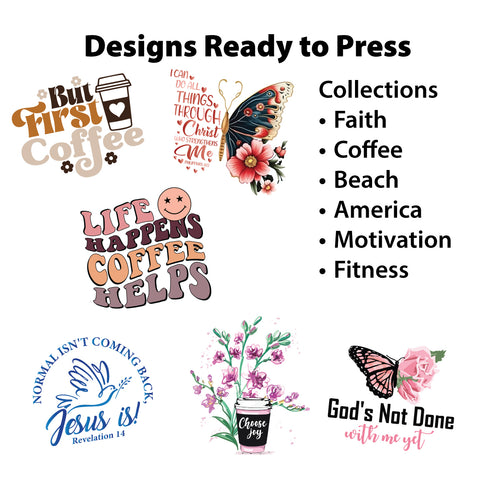
If you've dialed in the right blank, the next step is making sure the decoration matches it. Lion DTF Transfers provides ready-to-press DTF transfers, custom gang sheets, and online ordering tools that help brands and print shops decorate hoodies with consistent, production-ready results.