
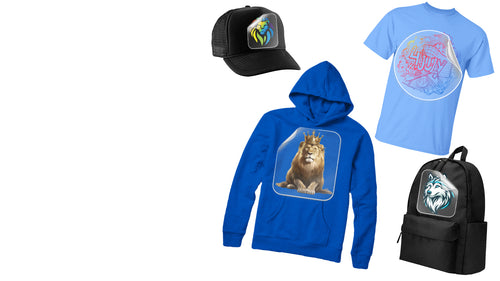



Think of a heat transfer as a high-tech, permanent sticker designed specifically for fabric. It’s a pre-made design that lives on a special carrier film, waiting to be brought to life. With the right combination of heat and pressure, that design bonds permanently to t-shirts, hoodies, hats, and more.
What Exactly Are Heat Transfers
At its heart, a heat transfer is a way to decorate apparel by applying a finished design with a heat press. It’s like a far more sophisticated and professional version of the iron-on patches you might remember, but with incredible detail and durability. The whole process relies on three things working together perfectly:
- A Pre-Made Design: Your artwork is printed onto a specialized film or material.
- Controlled Heat: A heat press warms the design up to a very specific temperature.
- Firm Pressure: The press clamps down, applying even pressure that bonds the design’s adhesive right into the fabric’s fibers.
This trio of heat, time, and pressure creates a permanent bond, turning a blank garment into a piece of custom apparel. It's an incredibly powerful method for both hobbyists and businesses to create professional-quality products without the messy, complex setup of old-school screen printing.
The Science of a Perfect Press
Getting a vibrant, long-lasting print isn’t just about making things hot; it’s about precision. The science here is all about control. Think about it: industrial systems that manage thermal energy, known as heat exchangers, are a massive market projected to grow from USD 18.9 billion in 2025 to USD 42.4 billion by 2035. Why? Because precise temperature control is critical for efficiency and performance.
The same principle applies to your heat press. You need exact temperature and pressure settings to ensure your transfer looks vibrant and can stand up to dozens of washes. This comprehensive report on global market dynamics highlights just how vital that thermal control is in large-scale applications.
The real magic of modern heat transfers is how accessible they are. You can take a complex, multi-color digital design and apply it flawlessly to a single t-shirt in less than a minute.
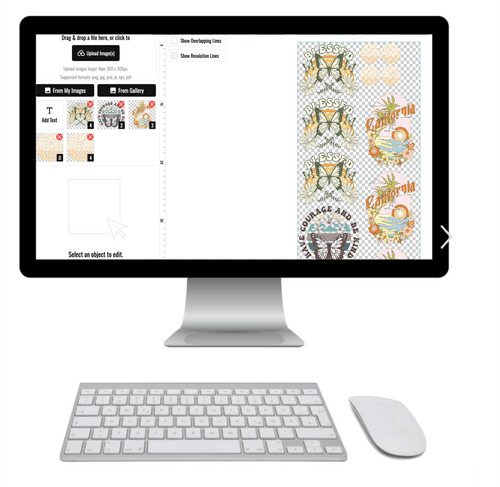
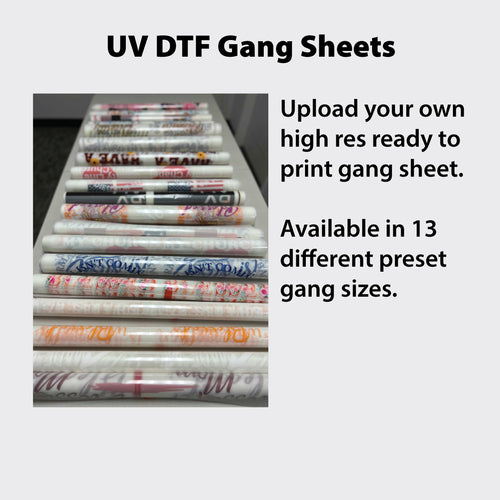
This efficiency is exactly why they've become so popular. For those looking to print multiple designs at once, another innovation is the gang sheet, which lets you place several graphics onto one large sheet. Modern tools like our Auto-build gang sheet builder have made this process incredibly simple and cost-effective by arranging your designs for you with ease. If you want to dive deeper into this modern method, you can learn more about what DTF transfers are in our detailed guide.
Choosing Your Perfect Heat Transfer Method
Picking the right heat transfer can feel overwhelming. With so many options out there, it’s easy to get stuck. But here’s the thing: not all transfers are built the same. Each one has its own unique process, a different feel on the shirt, and specific jobs it's best suited for.
Getting this choice right from the start is the key to creating a product that looks professional and holds up over time. We're going to break down the four main players you’ll run into: Direct-to-Film (DTF), Heat Transfer Vinyl (HTV), Sublimation, and Screen-Printed Transfers. Once you know their strengths and weaknesses, you'll know exactly which one to reach for.
Direct-to-Film (DTF) Transfers
There’s a reason DTF has become the go-to for so many apparel brands. It’s a workhorse. The process is straightforward: your design gets printed onto a special film, and you press it right onto the garment. The real magic is in its versatility. DTF works on just about anything—100% cotton, polyester, blends, canvas, and even tough stuff like denim.
DTF really shines with complex, full-color artwork. We’re talking photorealistic images, intricate logos with gradients, and fine details that other methods struggle with. The finished transfer has a soft, lightweight feel that stretches with the fabric, so you don’t have to worry about it cracking or peeling after a few washes. This makes it perfect for retail-quality apparel where look, feel, and durability all matter.

Heat Transfer Vinyl (HTV)
Think of HTV as the tried-and-true classic for simpler graphics. It comes on a roll or in sheets of solid color, which you cut with a vinyl cutter. After you "weed" away the extra material you don't need, the design is ready to press.
HTV is the undisputed king for certain jobs:
- Bold, single-color graphics like names and numbers on the back of jerseys.
- Simple text-based designs and clean company logos.
- Specialty finishes that are hard to get otherwise, like glitter, holographic, or metallic effects.
Because every color is a separate layer you have to cut, weed, and press, HTV gets impractical for detailed, multi-color designs. It also has a slightly thicker feel on the shirt, so it’s best for smaller graphics rather than large, full-chest prints.
Sublimation Transfers
Sublimation is a completely different animal. Instead of laying a design on top of the fabric, it uses a chemical process to dye the fibers themselves. Special inks are printed on paper, and when you apply heat, they turn into a gas and permanently bond with the material. The result is a print with absolutely zero feel—you can’t feel a thing.
But this unique process comes with two big rules. First, sublimation only works on light-colored, 100% polyester fabrics or blends with a very high poly count. Second, it can’t print the color white. Because it dyes the fibers, any white in your design will just show up as the color of the shirt. It’s a fantastic choice for performance wear and all-over prints on polyester, but it’s a no-go for cotton or dark-colored apparel.
Screen-Printed Transfers
Screen-printed transfers offer the best of both worlds: the classic look and feel of traditional screen printing with the apply-it-yourself convenience of a transfer. The designs are created the old-school way—pushing ink through a mesh screen—but onto special release paper instead of directly onto the shirt. You get a stack of ready-to-press transfers you can apply with your heat press whenever you need them.
This method is incredibly cost-effective for large runs of the same design. It gives you that durable, slightly-raised feel of a screen print without having to deal with the messy inks and screen setup in your own shop. It's a favorite for brands that need to order hundreds of identical logos for events or merchandise. You can also combine different designs onto one sheet to get costs down even further—a strategy perfected by our Auto-build gang sheet builder, which makes it easy to create efficient, affordable transfer sheets.
To help you see the differences at a glance, we've put together a quick comparison of these four methods.
Heat Transfer Method Comparison
Choosing the right transfer depends entirely on your project's needs—what fabric you're using, how complex your design is, and the final look and feel you're aiming for. This table breaks down the core differences to help you decide.
| Transfer Type | Best For | Fabric Compatibility | Feel on Garment | Color Vibrancy |
|---|---|---|---|---|
| DTF | Full-color, detailed graphics; photos | Cotton, Poly, Blends, Canvas, Denim | Soft, lightweight, and flexible | Excellent |
| HTV | Simple logos, text, numbers | Cotton, Poly, Blends | Thicker, can feel like a layer | Good (solid colors) |
| Sublimation | All-over prints, performance wear | Light-colored 100% Polyester | Zero feel (dyes the fabric) | Excellent |
| Screen-Printed | Large batches of 1-3 color designs | Cotton, Poly, Blends | Durable, slightly raised classic feel | Good |
As you can see, there's no single "best" method—just the best one for the job at hand. DTF offers the most flexibility for a wide range of designs and fabrics, while HTV, sublimation, and screen-printed transfers excel in more specific situations.
Why DTF Is a Game-Changer for Custom Apparel
If you’re in the custom apparel game, you know the constant trade-offs. Screen printing is great for bulk, but a nightmare for small, colorful runs. HTV is good for simple stuff, but gets complicated and thick with multiple layers. Sublimation looks amazing, but only works on light-colored polyester. DTF (Direct-to-Film) pretty much throws all those old rules out the window.
DTF’s popularity isn’t a fluke; it's because the technology is so incredibly versatile. It lets you say "yes" to almost any project. You can press vibrant, complex designs onto 100% cotton, polyester, blends, denim, canvas, and more, no matter if the shirt is black, white, or neon green. That kind of freedom changes what’s possible for a small shop or a growing brand.
Unlocking Photorealistic Detail and Durability
This is where DTF really shines. Since the design is printed digitally, there are no color limits. You can finally print those photorealistic images, smooth gradients, and super-fine lines that are just not feasible with other heat transfer methods. What you see on your screen is what you get on the shirt.
But great looks don't mean much if they fall apart. A quality DTF transfer is engineered to feel soft and stretch with the fabric, so you don't get that stiff, cracking feeling you see with older, thicker transfers. We've seen them hold up for over 100 washes when applied correctly. That's the kind of professional-grade quality that keeps customers coming back.
DTF gives businesses a real shot at scaling up production without cutting corners on quality. The ability to churn out consistent, high-detail prints quickly is a huge leg up in a crowded market.
This focus on efficiency mirrors trends in high-volume manufacturing, where speed and consistent heat application are everything. Think about it—the same principles that drive massive industrial processes are what allow print shops to deliver perfect transfers every time. The technology behind efficient heat transfer is always evolving, which you can see in this comprehensive report on global market dynamics. For printers, it means getting rapid, 24-hour turnarounds without any drop in quality.
Cost-Effectiveness and Ease of Use
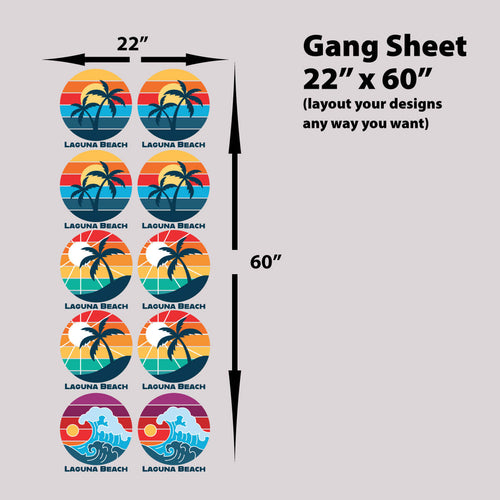
Finally, DTF makes pro-level printing affordable. By printing multiple designs on a single roll—what we call a gang sheet—you can crush your cost-per-print. This is a must-know strategy for anyone running an Etsy shop, a small brand, or just trying to get the most out of their budget.
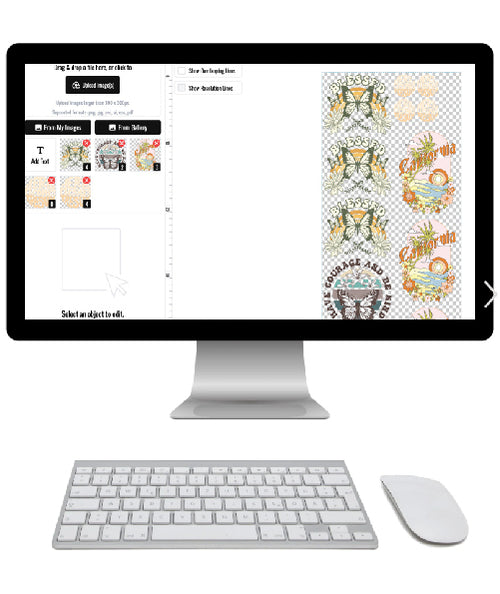
And you don’t need to be a design wizard to make it work. Our simple Auto-build gang sheet builder handles the layout for you. Just upload your art, and the tool arranges it perfectly to save you space and money. It makes getting professional results a whole lot easier.
How to Apply Heat Transfers Like a Pro
This is where the magic happens. Bringing your designs from a digital file to a finished garment is easily the most rewarding part of the process. But getting professional, long-lasting results takes a bit more than just hope and a hot iron.
I’ve seen too many great designs ruined by a bad press. A home iron might seem like a good idea for a one-off project, but it’s a recipe for disaster. They create hotspots, apply uneven pressure, and almost guarantee your prints will crack or peel after the first wash. A dedicated heat press isn’t just a recommendation; it’s the only way to get total control and consistent, sellable quality.
The secret to a perfect press really comes down to three things: Time, Temperature, and Pressure. Think of it as a three-legged stool—if one leg is off, the whole thing is unstable. Get these three right, and you're golden.

The Three Pillars of a Perfect Press
Dialing in your settings is the single most critical step. Always, always check the instructions from your transfer supplier first. Different transfer types need different settings, and guessing is just asking for trouble.
- Temperature: This is the heat needed to wake up the adhesive on the back of the transfer. If it’s too low, the design won’t stick properly. Too high, and you risk scorching your shirt or, worse, melting the design into a gooey mess.
- Time: This is simply how long you press the garment. The right amount of time gives the adhesive a chance to fully melt and grab onto the fabric fibers for a permanent bond.
- Pressure: You need firm, even pressure across the entire surface of the design. This is something a good heat press does perfectly, but a home iron can never achieve. It ensures every last bit of the transfer bonds correctly.
For a deeper look at getting your settings just right, check out our guide on how to use a heat press machine for flawless results.
Hot Peel vs Cold Peel Explained
Once the press is done, you're not quite finished. You still need to remove the clear film carrier sheet, and how you do that matters. This is where you’ll hear the terms "hot peel" and "cold peel," and they mean exactly what they sound like.
Hot peel transfers are made to be peeled away the second the press opens, while everything is still piping hot. This method is a game-changer for anyone doing production runs, since it’s incredibly fast and lets you move right on to the next shirt.
Cold peel transfers, on the other hand, need you to wait. You have to let the garment and the transfer cool down completely to room temperature before peeling the film. Both methods work, but most shops lean toward hot peel for the pure speed and efficiency it adds to their workflow.
Save Money and Time with Gang Sheets
For any custom apparel business, from small Etsy shops to growing brands, the cost of a single print can make or break your profits. This is where a simple but powerful strategy called the gang sheet becomes a total game-changer for your bottom line.

Think of it this way: instead of printing just one big design on a transfer sheet, a gang sheet lets you pack that entire space with multiple different graphics. You could fit ten of your bestselling t-shirt designs, a mix of small left-chest logos and large back pieces, or a variety of sizes for the same artwork.
By printing all these designs together on one sheet, you’re using every last square inch of the material. This move drastically cuts your cost per transfer, turning what might have been an expensive one-off print into a highly efficient and profitable production run.
Maximizing Your Transfer Sheet with Ease
In the past, setting up a good gang sheet meant you needed some real design software skills. You’d have to manually arrange, rotate, and nest every single design to avoid wasting space—a tedious process that could eat up hours. Thankfully, modern tools like our Auto-build gang sheet builder have made this whole step practically effortless, offering superior ease of use and cost-effectiveness.
A well-built gang sheet is the ultimate production hack for apparel creators. It allows you to order a variety of designs for the price of one, giving you the inventory flexibility you need without the high upfront cost.
This approach is perfect for testing new designs, offering more options to your customers, or just keeping your most popular graphics in stock, all while keeping your costs down.
For a deeper look into the specifics, you can check out our complete guide on DTF gang sheets and how they can seriously boost your business's efficiency.
Let Technology Do the Hard Work
The absolute easiest way to get started is with an automated tool. Our Auto-build gang sheet builder, for example, handles the entire layout process for you, demonstrating unparalleled ease of use and cost-effectiveness. You don’t need a single bit of design experience.
Here’s just how simple it is:
- Upload Your Designs: Just select all the different image files you need to get printed.
- Let the Tool Work: The builder automatically analyzes the size and shape of each design.
- Get Your Optimized Sheet: It then arranges them perfectly on the sheet to maximize space, guaranteeing you get the absolute best value for your money.
This completely removes the guesswork and tedious manual work, making professional, cost-effective heat transfers accessible to everyone. You end up with more prints for your money and more time to focus on what really matters—creating and selling your products.
Keeping Your Custom Designs Looking New
A great-looking transfer is only half the battle. Once you’ve pressed the perfect design, you need to make sure it lasts. Proper care is straightforward, but it’s what keeps your work from cracking, fading, or peeling after just a few washes.
The most important thing you can do is simple: turn the garment inside out before washing. This is non-negotiable. It protects the design from getting beat up by other clothes and the inside of the washing machine, which is the number one cause of premature wear.
When you’re setting the wash cycle, always go with cold water and a mild detergent. Hot water is the enemy here—it can soften the transfer’s adhesive over time and shorten its lifespan. Sticking to cold water is key for long-term durability.
Best Practices for Washing and Drying
Beyond the basics, a few more rules will help your apparel look brand new for as long as possible. These aren't just suggestions; they are proven methods to protect the print.
- Avoid Fabric Softeners: These products contain chemicals that can work their way under the edges of the transfer and weaken the adhesive bond.
- Tumble Dry on Low Heat: Even better, hang the garment to air dry. If you have to use a dryer, always use the lowest temperature setting. High heat can damage the transfer just like hot water can.
- Do Not Iron Directly on the Design: If the garment needs ironing, keep it turned inside out. A hot iron plate touching the transfer will melt it instantly.
When you start with a quality transfer that’s tested for 100+ washes, these care instructions ensure you get every bit of that durability. It's about delivering a professional product from start to finish. This is also why we make ordering easy with our Auto-build gang sheet builder, so you can get cost-effective, long-lasting transfers without the hassle.
Common Questions About Heat Transfers
Jumping into the world of heat transfers always brings up a few questions. From the right tools for the job to the little tricks that save you real money, getting good answers upfront can be the difference between a frustrating afternoon and a profitable print run. Let’s clear up some of the most common ones.
Can I Use a Home Iron Instead of a Heat Press?
It’s tempting to grab a home iron for a quick one-off project, but for any kind of professional or long-lasting result, it’s just not going to cut it—especially with modern transfers like DTF. A regular iron has hot spots and cool spots, and it can’t deliver the consistent, heavy pressure needed to properly bond a transfer to the fabric.
A quality heat press is one of the most important investments you'll make. It gives you precise temperature control and perfectly even pressure over the entire design. This is what ensures your heat transfers lock into the garment fibers and survive dozens of washes without cracking, peeling, or fading. It’s the only way to get that sellable, retail-quality finish customers expect.
What Is the Difference Between Hot Peel and Cold Peel?
This term is all about when you remove the clear carrier film after pressing. It's a small detail that has a big impact on your final product and, just as importantly, your workflow.
- Hot Peel: Just like it sounds, you peel the film away immediately after the heat press opens while everything is still hot. This is a massive time-saver and a favorite for anyone doing production runs. You can press, peel, and move straight to the next shirt.
- Cold Peel: With these, you have to wait. The garment and the transfer need to cool down completely to room temperature before you can remove the film.
Many of today's best transfers, including our premium DTF, are designed as hot peel to help you work faster and more efficiently.
The single best way to save serious money on custom prints is to use every single inch of your transfer sheet. This is where creating a gang sheet becomes your secret weapon for profitability.
How Can I Create a Gang Sheet to Save Money?
A gang sheet is simply printing multiple different designs on one large transfer sheet. Instead of paying for each little logo or graphic to be printed separately, you group them all into a single, efficient order, which slashes your cost per design.
You could try to arrange these yourself in design software, but there’s a much easier way. For example, our Auto-build gang sheet builder is designed for exactly this, offering ultimate ease of use and cost-effectiveness. You just upload all your different design files at once, and the tool automatically nests them together to pack in as much as possible. It maximizes the space for you, delivering the biggest savings with zero design work required.
Ready to create stunning, durable custom apparel with ease? At Lion DTF, we make professional-quality heat transfers simple and affordable. Use our Auto-build gang sheet builder to get the most value out of every print. Explore our options and start your next project today at https://liondtf.com.