



You've probably been there already. A customer needs shirts for an event, a school order comes in late, or your brand needs a short run without tying up cash in a big screen print setup. Then the options start to feel messy. Screen printing makes sense at scale but can be awkward for smaller mixed orders. Heat transfer vinyl works, but weeding slows everything down and the finish can feel heavy.
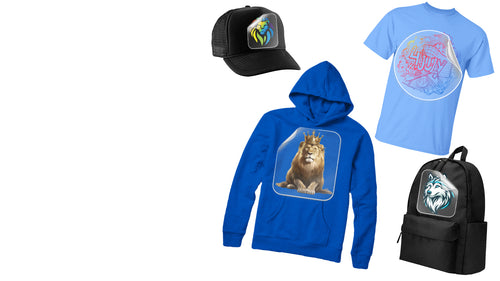
That's why DTF transfer sheets have become a practical tool for small shops, side hustles, apparel brands, and serious hobbyists. They remove a lot of the friction from custom decorating. You can print detailed artwork, apply it to cotton, polyester, and blends, and keep production flexible instead of locking yourself into one kind of order.
The business case matters just as much as the print quality. The right sheet choice, file setup, and gang sheet strategy can protect margins, reduce waste, and help you turn jobs faster without giving up consistency.
Your Guide to Modern Custom Apparel
A common real-world job looks like this. You need event shirts next week. Some are youth sizes, some adult. A few need front prints only, and a few need a left chest plus full back. That's exactly where older methods start showing their limits.
With screen printing, setup can feel hard to justify if the order is mixed or not especially large. With vinyl, labor starts to pile up fast. Every extra graphic adds handling time.
DTF sits in the middle in a way that makes sense for modern apparel work. You print the design onto film, cure it, and press it when you need it. That changes how you schedule work. Instead of building your whole production week around one printing method, you can batch transfers and press garments as orders finalize.
Why shops are leaning into DTF
The category isn't growing by accident. The global Direct-to-Film printing market was valued at approximately USD 2.72 billion in 2024 and is projected to reach USD 3.92 billion by 2030, growing at a CAGR of 6.0%, driven by demand for customized apparel and DTF's cost-effectiveness, according to Grand View Research's DTF market report.
That growth tracks with what many shops already see on the ground. Buyers want smaller runs, faster changes, more personalization, and less inventory risk.
Practical rule: If your orders change often, include multiple garment types, or need quick reorder flexibility, DTF usually fits the workflow better than methods built around long setup and long runs.
Where DTF transfer sheets help most
- Small business orders: You can handle mixed-size and mixed-design jobs without rebuilding the whole production plan.
- Merch drops: Print what sells instead of guessing inventory.
- Schools and events: Names, numbers, and last-minute additions are easier to manage.
- Home and side-hustle setups: You can get professional-looking results without taking on the production style of a full screen print shop.
For many decorators, DTF transfer sheets aren't just another print option. They're a scheduling tool, a margin tool, and a way to say yes to more kinds of work.
The Core Technology Behind DTF Transfer Sheets
A DTF transfer sheet works a lot like a high-tech temporary tattoo for fabric. The film carries the image, the ink builds the design, and the adhesive turns that image into something the garment can hold onto after pressing and washing.

The three parts that do the work
At the base is the PET film. This is the carrier sheet that holds the printed design during production and application. If the film is inconsistent, everything downstream gets harder. Registration can drift, release can become unpredictable, and detail can soften.
Then comes the ink layer. In DTF, you're usually working with CMYK plus white. That white layer matters because it gives the design opacity and helps the color sit properly on dark garments.
The final piece is the adhesive powder. This is what makes the transfer bond to the fabric once heat and pressure come into play. If the powder application is uneven, the result usually shows up later as weak edges, rough hand feel, or poor wash performance.
A useful visual helps if you're new to the process:
What the press is actually doing
Heat pressing isn't just sticking a graphic onto fabric. It's activating the adhesive and driving it into the garment surface so the print locks in. That's why bad press settings create problems that look random but usually aren't.
According to the technical DTF film data sheet shared by SubliLinkDPT, optimal DTF performance relies on a ~0.75mm thick PET film, a transfer temperature of 140–160°C (284–320°F) at 40–60 psi pressure, and a minimum line thickness of 1.29 points so detail isn't lost during the process.
That matters for business because technical sloppiness costs money. Tiny lines that look fine on screen can vanish in production. Weak pressure can make a print appear fine at first and then fail after wear. The transfer sheet only performs as well as the file and press settings allow.
Good DTF production feels boring in the best way. The sheet releases cleanly, the print sits flat, and repeat jobs behave the same every time.
What actually goes wrong
- Thin artwork fails first: Hairline detail often disappears during powdering and curing.
- Bad pressure creates edge lift: Shops often blame the film when the press setup is the primary issue.
- Poor film choice slows production: If peel behavior is inconsistent, operators waste time second-guessing every press.
Understanding the anatomy of DTF transfer sheets gives you more than technical knowledge. It gives you control. And control is what protects quality when order volume picks up.
Choosing Your Sheet Type Single Gang or UV
A lot of profit gets decided before the printer runs. Sheet choice is one of those decisions.
Order a single design on its own sheet when the job is simple, urgent, or easy to isolate. Build a gang sheet when you need better material usage across multiple graphics. Use UV DTF when the product is not apparel in the first place. Those three options solve different business problems, and choosing the wrong one usually shows up as wasted film, longer prep time, or money left on the table.

When a single sheet makes sense
Single sheets work well for proofing, one-off samples, replacement prints, or oversized artwork that is awkward to pack with anything else. They are also easier for newer shops because the trimming is simpler and the chance of layout mistakes is lower.
There is a trade-off. Single sheets are convenient, but convenience can cost more per print if you keep ordering small graphics one at a time. For a shop owner, that matters. A fast reorder that looks harmless on the invoice can incrementally raise production cost across the week.
I usually point new buyers to single sheets for test runs and problem jobs, not for routine volume.
Why gang sheets usually make more money
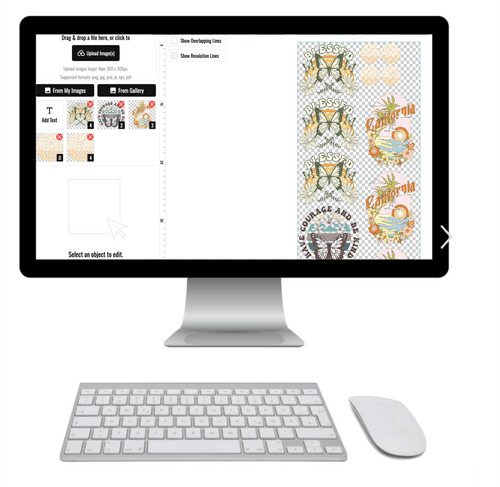
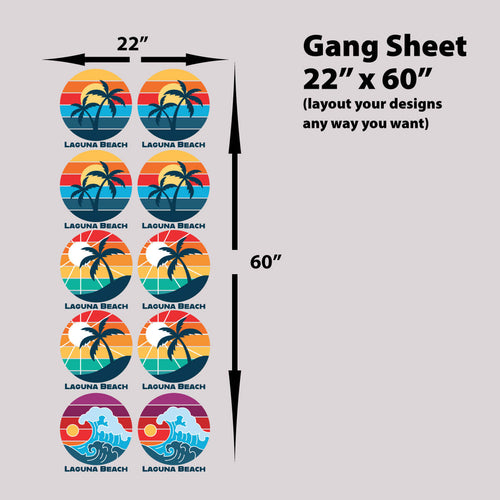
A DTF gang sheet is a single large sheet of PET film containing multiple designs, which improves efficiency and is widely recognized as an effective way for custom apparel businesses to lower per-transfer costs by minimizing film and ink waste, as described in this DTF gang sheet builder guide.
For a business, the value is straightforward. You are buying printable area, so every empty pocket on the sheet is space you paid for but did not use.
Gang sheets help in practical ways:
- Mixed orders fit better: Left chest prints, full backs, sleeve hits, youth sizes, and adult sizes can all run together.
- Waste drops: Tighter layouts mean less unused film.
- Cutting gets faster: Grouping artwork by order or customer keeps post-print handling cleaner.
- Repeat work is easier to price: Saved layouts reduce setup time on the next run.
Good gang sheet habits improve margin without changing your press, powder, or artwork style. They reduce waste. That is one of the fastest ways to improve profitability in a small print shop.
Shop insight: If you keep placing separate orders for small logos, you are often paying retail for a layout problem.
Where UV DTF fits
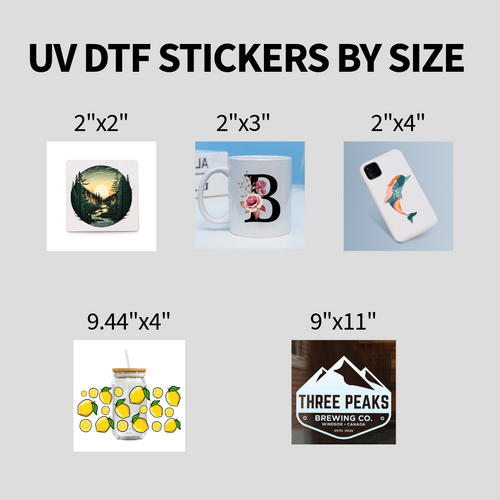
UV DTF belongs in a different product category. It is made for hard, smooth surfaces like cups, glass, acrylic, metal, plastic, and packaging, not shirts or hoodies.
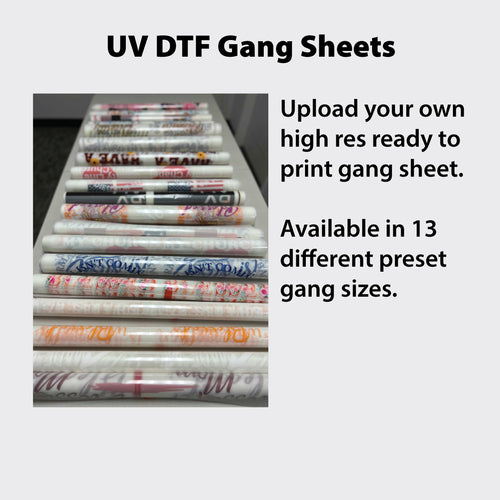
That distinction matters because it affects what you can sell. Apparel DTF helps you print garments. UV DTF lets you add decals and branding to rigid items without setting up a separate screen print or pad print workflow. For shops that want to add higher-margin hard goods, it can open a practical second lane. If you want a clearer breakdown of hard-surface applications, this UV DTF gang sheet overview explains where it fits.
Quick decision table
| Job type | Best format | Why it fits |
|---|---|---|
| One logo sample | Single sheet | Faster to set up and easier to handle |
| Mixed apparel order | Gang sheet | Uses film better and simplifies batching |
| Refill on common chest logos | Gang sheet | Keeps repeat graphics together for future runs |
| Mug, cup, acrylic, plastic item | UV DTF | Built for rigid surfaces, not fabric |
If the goal is better margin, start by asking a simple question. Am I paying for convenience, or am I using the sheet efficiently? Single sheets are useful for specific cases. Gang sheets usually give apparel shops better cost control. UV DTF adds a separate revenue stream for hard goods.
Preparing Your Files for Perfect DTF Prints
Most bad DTF results start before the press ever closes. They begin in the artwork. If the file is soft, crowded, flattened with a white box, or built at the wrong size, the transfer can only fail politely.

The non-negotiable file checklist
According to this video guide on gang sheet file setup, high-quality DTF gang sheet files need to be exactly 300 dpi, saved as transparent PNG files, and laid out with adequate spacing between designs for trimming.
Those rules sound basic, but each one prevents a specific production problem.
- 300 dpi at final size: This protects edge sharpness. Upscaled artwork often looks acceptable on screen and weak on film.
- Transparent PNG: This avoids the classic white rectangle around artwork. If the background isn't transparent, the printer treats it as printable content.
- Enough spacing: Tight layouts create trimming headaches and increase the odds of cutting into neighboring graphics.
Why these rules matter in the shop
Resolution is really a detail insurance policy. If you build a left chest print too small and enlarge it later, the transfer won't recover that lost information. It will print a bigger version of a weak file.
Transparency matters because DTF doesn't guess your intent. If the art file includes a background, that background can print. Shops see this all the time with customer-supplied files exported the wrong way.
For a more practical breakdown of acceptable artwork formats, file cleanup, and print-ready setup, this guide on the best file format for printing is a useful reference.
Send art at final print size whenever possible. Fixing scale after upload is one of the easiest ways to soften text and damage fine detail.
Small details that save expensive mistakes
A few file habits separate smooth orders from reprint orders:
- Work in CMYK mode if your workflow allows it. That puts your design closer to how it will print.
- Check line weight on fine elements like script fonts, whiskers, thin outlines, and distressed details.
- Zoom in on edges before export. Jagged halos and stray pixels often hide in transparent backgrounds.
- Name files clearly so the sheet size and intended use are easy to track.
- Verify no overlap if you build gang sheets manually.
Quick preflight table
| Check | Why it matters |
|---|---|
| 300 dpi | Keeps edges and small text cleaner |
| Transparent background | Prevents unwanted printed boxes |
| Correct final dimensions | Avoids soft enlargement |
| Adequate spacing | Makes trimming safer and faster |
| Clean edges | Reduces halos and print artifacts |
DTF transfer sheets are forgiving on many fabrics. They are not forgiving of sloppy files. Good prep is cheaper than a reprint every time.
Pressing and Application for Lasting Results
A strong transfer can still fail if the press operator rushes the job. Application is where quality becomes real. The print has to bond cleanly, sit flat, and release without pulling or silvering.
The press routine that keeps results consistent
Start with a pre-press on the garment. That removes moisture and flattens wrinkles. If the shirt isn't smooth before the transfer goes down, the print won't make even contact, especially around seams or textured zones.
Place the transfer carefully and make sure the platen is fully supporting the print area. Then press using the film's recommended settings. Don't treat pressure as an afterthought. Shops often focus on temperature and forget that pressure is what helps the adhesive seat into the fabric.
Why durability comes from the adhesive layer
High-quality DTF transfers use thermoplastic polyurethane (TPU) adhesive that can achieve wash durability of over 50 industrial cycles, while maintaining color stability and resisting cracks when washing avoids high heat and harsh chemicals like bleach, according to this technical review of high-quality DTF transfers.
That tells you something important. Durability isn't magic. It comes from a proper bond. If you under-press the transfer, the chemistry never gets the chance to do its job.
What a clean application looks like
- The transfer peels without dragging ink.
- The print surface looks even, not patchy or grainy.
- Edges sit down flat instead of curling upward.
- The garment fabric isn't scorched or flattened beyond recovery.
Some films are hot peel. Some are cold peel. Use the film's peel method, not your guess. If you peel too early on a film that needs more cooling, you can stress the print before it has stabilized. If you wait too long on a film built for hot peel, the release may become less cooperative.
A lot of “bad transfer” complaints are really “bad press setup” problems. When the bond is weak, start with pressure and platen contact before blaming the sheet.
Habits that improve wash life
After peeling, many decorators do a finishing press with protective paper or a cover sheet. That helps settle the print and can improve feel. It's a small step, but on production jobs it often makes the finished piece look more intentional.
For the customer side, care instructions matter too. Lower wash heat, no bleach, and no harsh softeners all help preserve the bond. DTF can be durable, but customers still need to treat decorated garments like decorated garments.
If you want lasting results from DTF transfer sheets, the winning formula is simple. Dry garment. Correct placement. Reliable pressure. Correct peel. Consistent finishing press.
Ordering Strategically to Maximize Your Budget
The cheapest order isn't always the smartest order. Smart ordering means getting more usable transfers out of the same spend, while avoiding layouts that create extra labor later.
Think in layout, not just in artwork
Most buyers upload designs one by one and only think about cost after the cart fills up. That's backwards. The right way is to think about how many graphics can live together efficiently, how they'll be trimmed, and which designs are likely to repeat.
Gang sheets are usually the strongest move when you have multiple logos, sizes, or placements to produce. They turn blank film space into productive space. A few inches saved across several orders adds up fast in any busy workflow.
Where Auto-build tools earn their keep
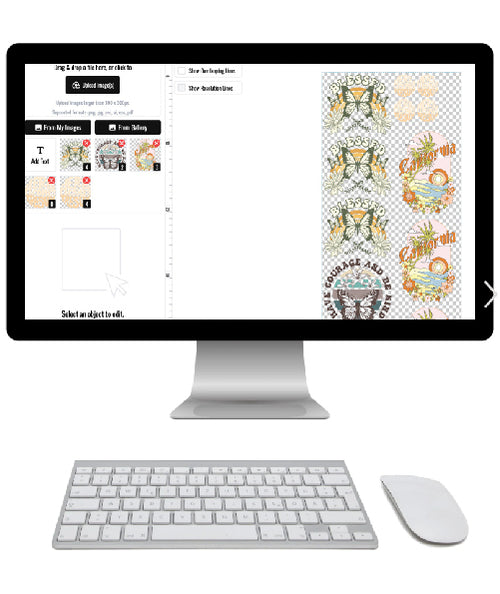
Manual gang sheet building works if you enjoy layout work and have the time to double-check every gap. Most shops don't. They need speed and consistency more than creative arrangement.
That's why an Auto-build gang sheet builder matters. It reduces the guesswork, makes ordering easier to manage, and supports cost effectiveness by packing designs more efficiently than many users do by hand.
A wholesale workflow matters too. If you regularly batch orders for brands, teams, or recurring clients, a supplier setup built around wholesale DTF transfers can make the buying side cleaner and more repeatable.
A simple ordering framework
- Group by deadline: Put rush jobs on their own sheet if needed so the whole order doesn't get held up.
- Group by garment type: Similar placements are faster to trim and press.
- Bundle repeat logos: Common chest prints and tag graphics belong together.
- Leave trimming room: Saving tiny slivers of film isn't worth slower production later.
One practical mistake shows up often. Buyers optimize only for film usage and ignore press-floor labor. A sheet packed too tightly can become annoying to cut and sort. Good ordering balances material efficiency with operator efficiency.
If your margins feel thin, don't look only at transfer price. Look at how you build the order.
Common Issues and Advanced Questions
A common shop scenario goes like this. The first press looks fine, the customer is happy at pickup, then two weeks later you get a message with a photo of lifting edges or a print that feels different after washing. In DTF, those callbacks usually trace back to a small set of process misses, not a mystery defect.
Start with the point of failure. Poor adhesion usually comes from pressure, platen contact, or moisture in the garment. Dull color usually starts in the file. Early edge wear often comes from a mismatch between the transfer, the fabric, and the way the shirt is pressed and washed.
The reason this matters to your business is simple. Every remake eats margin. Every avoidable return slows the press down for the next order.
The trouble spots that deserve attention
The harder questions show up after the job leaves the shop. A transfer can press well and still age differently depending on the garment. That is why experienced decorators test on the blanks they sell most, not just on whatever sample shirt is nearby.
Fabric blend is one of the biggest variables. High-cotton blends often feel great in hand, but they can move, shrink, and flex differently from polyester over repeated wash cycles. A vendor may say a transfer works on cotton and polyester. That only tells you it can be applied. It does not tell you the print will wear the same on every blend.
That trade-off matters if you care about repeat business. If your top sellers are fashion tees, fleece, or athletic poly, build your testing around those garments first. A transfer sheet that performs well on one category can create more reprints on another.
FAQ DTF Sheets
| Question | Answer |
|---|---|
| Why didn't my transfer stick fully? | Check pressure first. Then check whether the platen made even contact and whether the garment was pre-pressed to remove moisture and wrinkles. |
| Why does the print look dull? | The problem often starts with the art file. Low-resolution images, poor exports, and weak color builds show up fast in print. |
| Are DTF transfer sheets equally durable on all fabrics? | No. Fabric blend changes long-term wear, stretch response, and wash performance. Test on your real garment lineup before you scale an order. |
| Are gang sheets always the cheapest option? | They often reduce film waste, but the cheapest sheet is not always the cheapest job. Tight layouts can slow trimming, sorting, and pressing. |
| Is DTF always cheaper for very small runs? | Not always. For tiny orders, setup time and handling can erase the savings. Compare the full job cost, including labor, not just the transfer price. |
| What's the smartest way to reduce mistakes? | Standardize the process. Use clean files, keep enough spacing for trimming, record proven press settings, and test new garments before offering them for sale. |
Judge DTF by repeatability. If the process holds up across the garments you sell, your costs stay under control and customer complaints stay low.
The advanced lesson is straightforward. DTF transfer sheets make money when the whole system is stable. File quality, film choice, garment type, press setup, and post-press handling all show up in the final result.
If you need a supplier for hot-peel transfers, gang sheets, or UV DTF options, Lion DTF Transfers offers online ordering, an Auto-build gang sheet builder, and upload-based workflows that can simplify production for shops, brands, and makers.