


DTF transfers meaning is simple. DTF stands for Direct-to-Film, a print method where a design is printed onto special PET film in mirrored CMYK plus white ink, coated with thermoplastic adhesive powder, then heat-pressed onto fabric. If you're trying to sell shirts, hoodies, team gear, or branded merch without getting stuck with color limits or expensive setup, this is one of the most practical decoration methods available.
Frustrations with existing decoration methods often lead to researching dtf transfers meaning. Vinyl takes too long because of cutting and weeding. Screen printing feels hard to justify when the order is small or the artwork uses a lot of colors. DTG can be a fit in the right shop, but it doesn't solve every material problem.
DTF sits in the middle in a useful way. You print the decoration off-garment first, then apply it later. That separation matters in real production because you can prepare transfers ahead of time, store them, and press them as orders come in. That gives small brands and busy print shops more flexibility than methods that force every step to happen in one sequence.
Your Introduction to Modern Apparel Printing
A customer needs 24 shirts for a weekend event, 12 hoodies for staff, and 10 tote bags for add-on sales. The artwork is full color, the fabrics are mixed, and the order is too small to make a long setup worthwhile. That is the kind of job where DTF starts to make business sense fast.
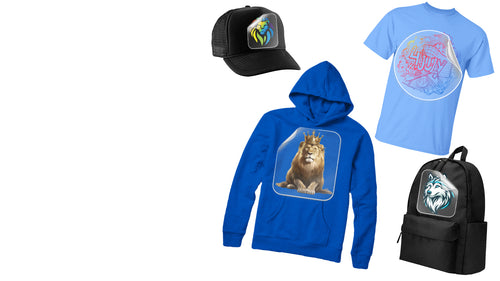
DTF gives shops and sellers a practical way to offer detailed graphics without being boxed in by fabric type, color count, or large minimums. For a new business, that matters because the product line can stay broad without adding a different decoration process for every garment category. Cotton tees, polyester performance wear, hoodies, and bags can all fit into the same workflow.
The primary advantage is operational. Transfers are prepared ahead of time, then pressed onto the garment as orders come in. That helps reduce downtime, keeps reorder work simpler, and makes it easier to test designs before tying up cash in printed inventory. Shops that want a clearer view of the production side can review this step-by-step guide to making DTF transfers.
Market demand is also pushing buyers toward methods that are easier to scale. As custom apparel keeps expanding, shops and online sellers need decoration options that handle short runs, reorder programs, and frequent artwork changes without slowing production.
Practical rule: If the design is colorful, the order quantities shift from job to job, and the garments vary, DTF usually earns a place in the lineup.
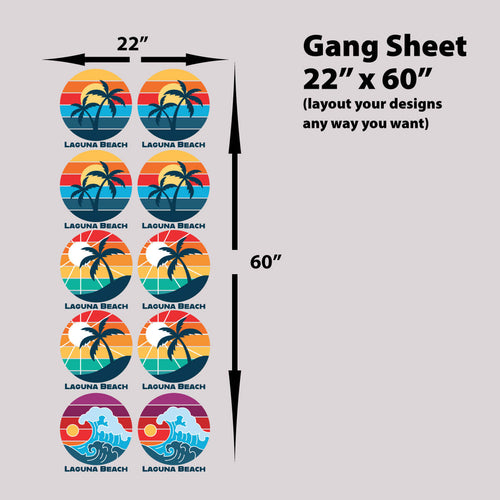
For business customers, the meaning of DTF is not just the print method itself. It is a way to build a more reliable offering. You can sell full-color graphics across multiple product types, prepare gang sheets for better ordering efficiency, and keep a repeatable process that holds up once the orders start stacking.
How DTF Transfers Are Made Step by Step
The DTF process creates a ready-to-press fabric graphic by building the print on film first, finishing it with adhesive, and then transferring it to the garment. From a production standpoint, that split matters. A shop can print transfers in batches, sort them by order, and press them only when the blanks are on hand.

If you want to see the full production flow in practice, this step-by-step guide to making DTF transfers is a useful reference.
Printing onto the film
The artwork is printed in reverse onto PET film using CMYK ink plus a white ink layer. The white underbase gives the design its opacity, which is why bright color can still show up cleanly on black and other dark garments.
File setup matters here. Clean edges, proper resolution, and transparent backgrounds usually produce better transfers than rushed artwork with soft halos or stray pixels. In a real shop, bad art shows up fast once white ink hits the film.
Adding the adhesive layer
After printing, the wet ink is coated with thermoplastic adhesive powder. The powder sticks only to the printed areas, and that powder becomes the bond between the design and the garment during pressing.
This step is one reason DTF fits small brands and contract decorators so well. The transfer becomes inventory. It can be stacked, sorted, and used later instead of forcing the printer and the press to run at the same moment.
Curing and preparing for pressing
Once the powder is applied, the transfer is cured with heat so the adhesive sets properly. At that stage, the sheet is stable enough to store, ship, or press right away.
Shops gain efficiency through this workflow. A production team can print gang sheets during one block of time, cut and organize them by job, then press throughout the day as orders come in. That reduces idle time and makes mixed-order work easier to schedule, especially when you are handling several garment types at once.
Why the process matters to a business customer
Customers do not need every technical detail, but the production method explains why DTF solves common order problems:
- Complex color prints stay intact. The design is produced as one transfer, not assembled color by color.
- Dark garments print cleaner. The white layer supports the artwork instead of letting shirt color interfere with it.
- Jobs can be staged. Transfers are prepared ahead of time, which helps with reorder programs and short-run fulfillment.
- Artwork can be grouped efficiently. Multiple logos, sizes, or placements can be arranged on gang sheets to reduce waste and lower per-print cost.
- Application stays flexible. The same printed transfer workflow can support tees, hoodies, performance wear, and bags.
If a business buys ready-to-press transfers instead of printing in-house, the only production step left is pressing. For many smaller apparel brands, that is the practical entry point. It avoids equipment maintenance, shortens setup time, and still gives them a dependable full-color product line.
DTF vs Other Methods A Practical Comparison
A customer brings in a 24-piece order with full-color back prints, small left chest logos, and a mix of cotton tees, polyester hoodies, and gym bags. That job quickly shows the difference between decoration methods. The best choice is not the one with the most hype. It is the one that keeps labor under control, holds color well, and fits the order size.

For a closer side-by-side on digital methods, this DTF vs DTG printing comparison helps clarify where each process fits.
Where DTF has the edge
DTF is strong when artwork is complex and the order is too small to justify screen setup. Full-color graphics, gradients, fine detail, and photo-style images print as one transfer instead of being built color by color. That changes the math on short runs.
In a shop setting, that means fewer production slowdowns on jobs like event merch, school spirit wear, brand launches, and mixed-size reorder packs. A six-color design does not force extra screen prep. A detailed logo does not create weeding time like vinyl. One workflow can cover a wider range of garments without rebuilding the art for each fabric category.
DTF also helps on mixed orders. If a customer wants the same design on tees, hoodies, and bags, DTF usually handles that more cleanly than methods that are narrower in fabric compatibility or more labor-heavy in setup.
Comparison table
| Attribute | DTF Transfers | DTG | Heat Transfer Vinyl | Screen Printing |
|---|---|---|---|---|
| Color capability | Unlimited colors, gradients, photo-style artwork | Strong for detailed artwork | Best for simple shapes and limited colors | Strong for simpler color-separated designs |
| Small orders | Very practical | Practical in the right setup | Practical but labor-heavy | Usually less efficient due to setup |
| Labor intensity | Low finishing labor once printed | Depends on garment and workflow | Higher because of cutting and weeding | Higher setup before production starts |
| Material range | Broad material compatibility | Often chosen for cotton-focused jobs | Broad, but design complexity becomes a problem | Effective, but method choice depends on garment and ink setup |
| Best use case | Full-color custom work across mixed substrates | Direct garment printing when its strengths fit the job | Names, numbers, simple logos | Larger repeat runs, especially simpler art |
Where other methods still earn their place
DTG works well for shops built around cotton garments and direct-to-garment production. It can be a good fit if the print feel and garment type line up with the job.
Vinyl still makes sense for simple lettering, names, and numbers. It is easy to understand and useful for straightforward personalization, but labor rises fast once designs get more detailed or multi-color.
Screen printing remains a strong production method for larger runs with simpler art. Once quantities rise and the design is stable, the setup cost becomes easier to absorb.
A print method should match the order, not the equipment someone hopes to keep busy.
Where DTF is not the best fit
DTF still depends on solid artwork and correct press settings. Poor file prep will show up in the final print, and bad pressing can ruin an otherwise good transfer.
It also leaves a transfer layer on the garment. Many customers are fine with that, especially when they care more about sharp color, broad garment choice, and reorder efficiency. Some customers want a different hand feel or a print that behaves differently in the fabric. That is a real trade-off, and it should be discussed before production starts.
I tell customers the same thing we use in the shop. If the order is short run, full color, and spread across multiple garment types, DTF is usually the practical answer. If the order is a large repeat run with simple art, screen printing may be the better buy.
Typical Applications for DTF Transfers
A new brand owner comes in wanting one design on black tees, athletic hoodies, and tote bags, but the budget does not leave room for separate decoration setups for each product. That is the kind of order where DTF earns its keep.
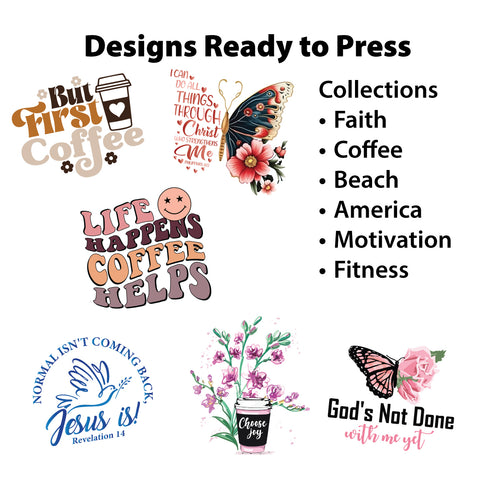
From a shop perspective, DTF fits jobs that need full color, mixed garment types, and short to mid-size quantities without turning production into a custom project every time. The big advantage is consistency. You can keep one approved graphic and apply it across a product line instead of rebuilding the artwork around each blank.
An Etsy seller is a good example. If the goal is to launch a graphic collection across cotton shirts, fleece hoodies, and bags, DTF keeps the visual look uniform while giving the seller room to test products before committing to a larger run. That matters for small businesses because product testing is cheaper when the decoration method does not force a separate setup for every fabric.
School, team, and booster orders are another strong fit. A single program may need practice tees, fan wear, coaches' quarter-zips, and polyester gear in the same order. DTF handles that mix well, which cuts down on versioning problems and makes reorders easier later.
I also see DTF work well for business merch and event programs. Marketing teams often need sharp logos, fast revisions, and multiple item types under one deadline. Shirts, tote bags, and light promotional pieces can stay in the same order flow, which saves time at approval and production stages.
Common jobs that fit DTF well
- Brand merch drops: Full-color front prints, back prints, and limited-run designs without screen setup costs
- Team and school gear: One design applied across mixed garments and fabric types
- Corporate promo orders: Company logos on shirts, bags, and event apparel with consistent color
- Samples and test launches: Small batches used to validate artwork or demand before scaling up
The business case is straightforward. DTF is useful when you want to build a reliable product line, keep artwork consistent, and handle mixed-item orders without adding labor at every step. It is not just a way to print a shirt. It is a practical way to sell more decorated products with fewer production headaches.
What helps a transfer last
Durability starts before the first wash. It depends on clean artwork, proper pressing, and solid adhesion during application. If any of those are sloppy, the wash routine won't save the shirt later.
For sellers, the practical move is to pair a good transfer with clear care instructions. That protects your product and reduces preventable complaints.
Care instructions worth giving customers
- Wash inside out: This reduces surface abrasion during the wash cycle.
- Use cold water: Cooler washing is the safer default for decorated apparel.
- Choose a gentler cycle when possible: Less agitation is easier on the print.
- Dry on low heat or hang dry: High heat is where decorated garments often get stressed.
- Don't iron directly on the print: If ironing is needed, protect the graphic or iron from the reverse side.
Good pressing gets the transfer onto the garment. Good care keeps it there.
What hurts durability
The most common problems usually come from avoidable issues. Under-pressing, uneven pressure, skipping finishing steps, or washing the garment aggressively will shorten the life of any heat-applied decoration.
If you sell apparel, don't oversell durability in vague marketing language. Give customers a clear care card and use a wash benchmark only when you can stand behind the source. That's a better long-term play than making broad claims you can't defend later.
How to Order DTF Transfers Efficiently and Affordably
A common first order looks like this. Ten left chest logos, a few full fronts, two sleeve hits, and a neck label, all uploaded as separate pieces. That usually raises the total faster than the print itself should.
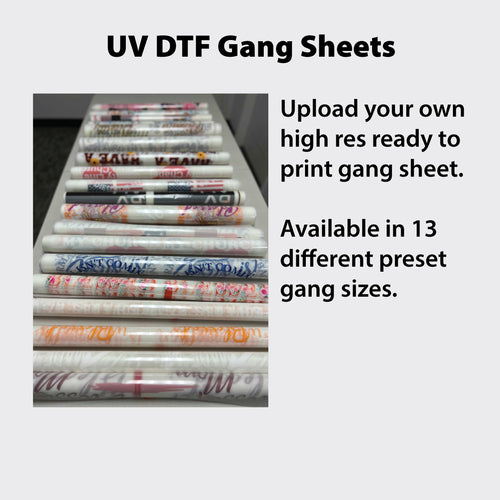
The better approach is to plan the order around print area, not just design count. That is why gang sheets matter for any shop, brand, or merch seller trying to keep margins under control. You place multiple graphics on one sheet and use the printable space with less waste. If you sell more than one placement or size, that change shows up in your cost right away.

Why gang sheets save money
Gang sheets work well because they match how real orders are built. A brand rarely needs one isolated graphic. It needs a front print, a small chest version, maybe a sleeve mark, and often a tag replacement or youth size.
Packing those together gives you better use of the sheet and fewer one-off orders. It also helps with reorders because your common placements are already grouped in a format you can repeat.
Useful combinations often include:
- Main chest graphics: Front prints for tees, hoodies, and crews
- Secondary placements: Sleeve logos, left chest marks, and inside neck labels
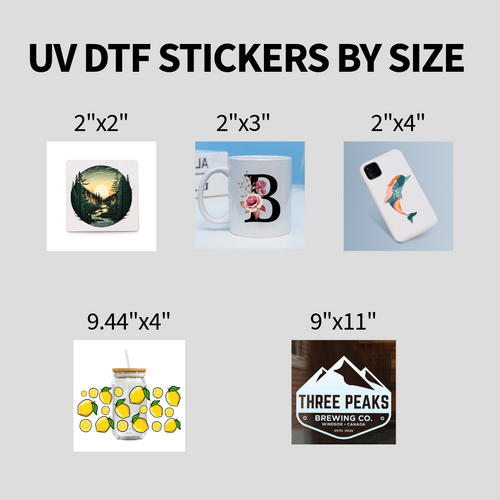
- Size variations: Adult, youth, and accessory versions of the same art
- Samples and test pieces: New graphics you want to check before committing to a larger run
What artwork works best
Clean files save money because they prevent remakes, delays, and disappointing prints. DTF prints what you send. If the file has rough edges, low resolution, or leftover background debris, that shows up in the finished transfer.
Before uploading, check these points:
- Transparent background: Unwanted white or colored boxes print unless they are removed first.
- High-resolution art: Screenshots and small web images often soften edges and fine detail.
- Correct final dimensions: Build the file at the size you plan to press.
- Readable small elements: Fine text and thin lines need to hold up at print size, not just on a zoomed-in monitor.
- Clean perimeter: Remove halos, stray pixels, and accidental shadows.
I tell customers to view the art at actual size before they order. If it looks weak on screen at final dimensions, it will not improve after printing.
Using an Auto-build gang sheet builder
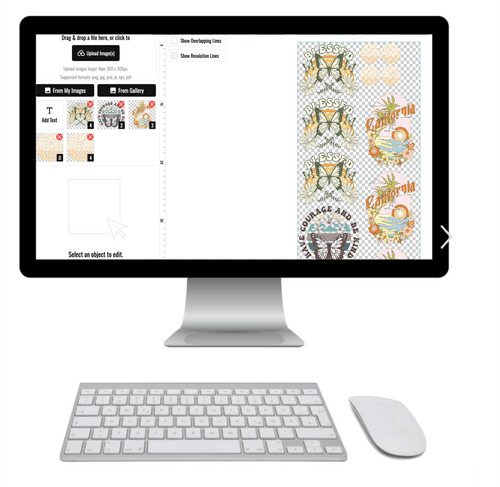
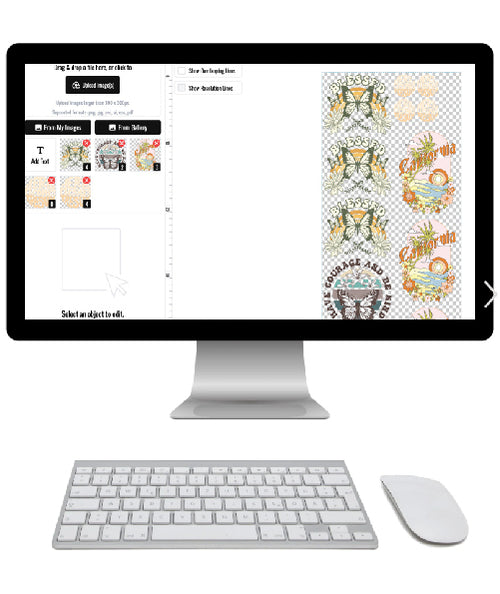
Manual layout works, but it eats time. For shops handling repeat logos, mixed placements, or several size versions, an Auto-build gang sheet builder speeds up the order and reduces layout mistakes.
Lion DTF Transfers offers that type of tool for online ordering. The practical benefit is simple. You can load the needed designs, pack the sheet faster, and spend more time selling or producing instead of dragging artwork into place one piece at a time.
If you are ordering for garments that need different application settings, it also helps to review a DTF heat press settings guide before finalizing sizes and placements.
What ordering mistakes cost the most
A few ordering mistakes cost the most because they affect both print quality and margin:
- Uploading screenshots instead of print files: They often look acceptable on a phone and print soft in production.
- Ordering each design separately: That usually wastes printable space that could have been combined on a gang sheet.
- Skipping placement planning: Fronts, sleeves, and neck labels should be mapped out before upload.
- Starting with every design idea: Lead with the graphics you expect to sell first, then expand after you know what moves.
Efficient ordering is mostly process. Build clean artwork, group designs that belong together, and use ordering tools that cut layout waste without creating new production problems.
Pressing Your Transfers for Professional Results
A good transfer can still fail if it's pressed poorly. Most application problems aren't caused by the print itself. They're caused by uneven pressure, rushed placement, or guessing on settings.

Before pressing, it's worth checking a practical DTF heat press settings guide so your fabric and transfer type are aligned.
A simple pressing checklist
Start with a heat press, not a household iron if you can avoid it. Consistent pressure is a big part of getting a clean bond.
- Pre-press the garment: Remove moisture and flatten the print area.
- Align the transfer carefully: Crooked placement ruins otherwise good work.
- Use steady pressure: Light, uneven pressure is where edge problems start.
- Peel as directed: If you're using a hot-peel transfer, follow that workflow cleanly.
- Finish with a second press if recommended: This helps the print settle and look more professional.
A lot of hot-peel transfers are designed for speed in production. That makes them appealing for shops because you don't have to wait around between every garment.
Here's a visual walkthrough of the pressing process:
What professional results usually come down to
Professional pressing isn't about fancy tricks. It's about repeatability. Same garment prep. Same alignment habits. Same attention to pressure and peel timing.
If you're new to DTF, test on one extra blank before running customer pieces. That small step catches a lot of avoidable mistakes, especially when you're switching garment types or using new artwork.
Frequently Asked Questions About DTF Transfers
Can I apply DTF transfers with a home iron
You can try, but I wouldn't build a business around it. Irons don't apply heat and pressure evenly, so results are less consistent than a heat press. For personal use, it may work in some cases. For sellable apparel, use a press.
What's the difference between hot peel and cold peel
The difference is when you remove the carrier film. Hot peel means you peel while the transfer is still hot. Cold peel means you wait for it to cool first. The right method depends on the transfer type, so follow the supplier's instructions instead of guessing.
Can I store transfers before using them
Yes. One advantage of DTF is that the transfer can be prepared in advance and applied later, as covered earlier in the process section. Store them flat, clean, and away from conditions that could damage the film or adhesive.
What file should I send
A transparent-background file with strong resolution is the safest starting point. Avoid screenshots, low-quality social media images, and files with messy edges.
Is DTF good for a new apparel business
Yes, especially if you're testing designs, selling full-color graphics, or working with mixed garment types. It lets you launch product without forcing every order into the setup cost and color limits of older methods.
If you're ready to turn artwork into ready-to-press graphics, Lion DTF Transfers offers custom transfers, gang sheets, and an Auto-build gang sheet builder that helps simplify ordering and reduce wasted sheet space for growing apparel businesses.