



You've got artwork ready, blanks on the table, and a deadline that doesn't care how many vendors are “almost done.” That's the normal rhythm of DTF in Los Angeles. A pop-up gets moved up. A brand drop sells through faster than expected. A school, team, or production crew suddenly needs apparel on a real-world timeline, not on a polished website timeline.
That's why sourcing DTF in LA isn't just about finding someone who can print. It's about finding a workflow that holds up when approvals come late, pickup traffic gets ugly, and your file isn't as clean as you thought. If you want transfers that press well, look right, and arrive when you need them, the details matter more than the marketing.
Why Los Angeles Runs on Fast Quality DTF Transfers
Los Angeles buyers don't order like slow-cycle catalog customers. They order like people running launches, shoots, events, and side hustles at the same time. One day it's a fashion sample. The next day it's wrap gifts, team shirts, gym merch, or a restock for an online drop that suddenly got traction.

That pace didn't appear out of nowhere. Los Angeles grew from 141 people in 1841 to more than 319,000 by 1910, becoming a major commercial center in a relatively short span, according to the historical timeline of Los Angeles. For apparel decorators and merch sellers, that history still shows up in the way the city operates now. Dense demand, fast turn expectations, and a huge mix of creative industries make DTF Los Angeles a practical service, not a niche one.
Why DTF fits LA work
DTF works well in this environment because it removes a lot of the friction that slows down traditional decoration for short runs. You don't need the same kind of setup commitment you'd need for larger, more fixed production methods. That matters when your order changes at the last minute, or when you're testing designs before committing to volume.
A few jobs where DTF makes sense fast:
- Brand sampling: You need one chest hit, one back print, and a couple of alternate colorways without rebuilding an entire production plan.
- Event merch: You're filling a short-run need where timing matters as much as print quality.
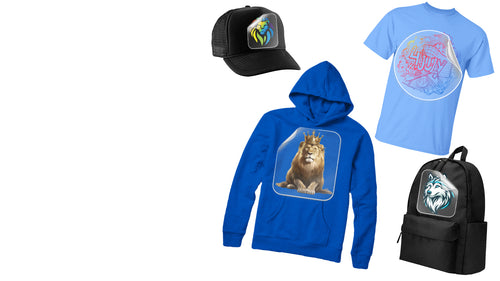
- Mixed garment orders: Cotton tees, fleece hoodies, and blends in the same order are common in LA.
Fast DTF isn't useful if the transfer feels thick, the color shifts, or the pickup promise falls apart. In LA, speed only counts when the result is still sellable.
What local creatives actually need
Customers searching for DTF in Los Angeles aren't looking for theory. They want to know three things: Can this vendor print clean color, can they hit the timeline, and will the transfer press without drama. If one of those fails, the whole order becomes expensive.
That's the effective filter to use in this market. Not “Who says they're fast?” but “Who helps me get finished garments out the door without rework?”
How to Choose the Right DTF Los Angeles Partner
A good LA transfer partner acts like part of your production chain. A weak one turns every order into guesswork. The difference usually shows up before the transfer is even printed, in how they answer questions, how they review files, and how clearly they handle timing.

Start with the questions most buyers skip
Price matters, but it's rarely the first thing that breaks an order. Ask operational questions first.
- What happens if my file needs correction? Some shops print exactly what you upload, even if it's flawed.
- How are cutoffs handled? “Same day” can mean very different things depending on when your file is approved.
- What kind of peel and press workflow does the transfer use? That affects production speed at your press.
- Can they explain fabric trade-offs clearly? If they can't answer material questions, you'll be the one testing blind.
A provider that can answer those without vague language is usually easier to work with when the job gets complicated.
Use a practical vetting checklist
Here's the short version I'd use for any DTF Los Angeles supplier:
| What to check | Why it matters |
|---|---|
| File review process | Prevents bad prints caused by low-quality uploads |
| Color handling | Keeps brand work and repeat orders consistent |
| Turnaround clarity | Reduces deadline mistakes and pickup surprises |
| Material guidance | Helps match the transfer to the blank |
| Communication | Solves problems before they become remakes |
Look for real production thinking
The strongest shops don't just say “works on many fabrics.” They talk through likely trouble spots. They'll tell you when a design may feel too heavy for a lightweight tee, when small text may need cleanup, or when your press setup matters as much as the transfer itself.
That kind of thinking is worth more than a slightly lower sheet price.
Practical rule: If a provider can't explain what might go wrong, they probably can't help much when something does.
Local presence matters more than people admit
In LA, local service isn't just a convenience line on a website. It can affect whether your order makes the event. A nearby shop with clear pickup handling can save an order that shipping won't.
If you're comparing options, it helps to review a local-oriented guide on finding custom DTF transfers near you, especially if pickup speed and repeat ordering matter to your workflow.
A provider should also be easy to reach when there's an issue. Not just an order portal. Actual support. If your gang sheet uploaded wrong or your artwork needs resizing, waiting on a slow reply can cost more than the print itself.
Your Guide to Print-Ready DTF Artwork
You have a pickup window in LA in a few hours, the blanks are already on the table, and the file that looked fine on your phone suddenly shows a white fringe, soft text, and a background that was never fully removed. That is how rush orders turn into reprints.
DTF prints exactly what you send. A weak file does not get cleaned up at the printer. It gets exposed, powdered, cured, and pressed onto the garment.
What print-ready actually means
Print-ready artwork starts with resolution that holds up at final size, a true transparent background, and edges you checked on purpose. Auto-remove tools can be useful, but they often leave halos, chopped details, or partially transparent junk around the art. Those problems are easy to miss on a bright screen and obvious on a black tee.
If the design has a distressed look, make sure the texture is intentional. Compression artifacts and low-quality PNG noise print like mistakes, because they are mistakes. The same goes for small type. If you cannot read it at actual print size, do not expect fabric to improve it.
Here's the preflight I use before sending a file out:
- Check the art at final print dimensions: Judge it at the size it will live on the shirt.
- Confirm the background is transparent: No ghost box, no leftover shadows, no faded pixels.
- Inspect the edges on dark and light view modes: Halos usually show up fast when you switch backgrounds.
- Clean up gradients and fades: Smooth blends can print well, but dirty source files turn muddy.
- Name the final file clearly: “final-final-2.png” is how wrong versions get printed.

Gang sheets are where a lot of LA orders lose money
File quality is one part of the job. Layout is the other.
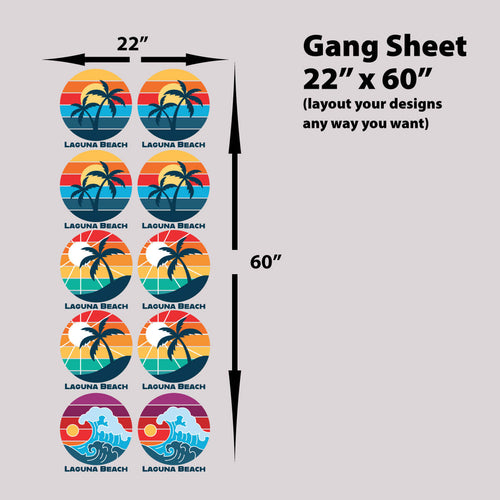
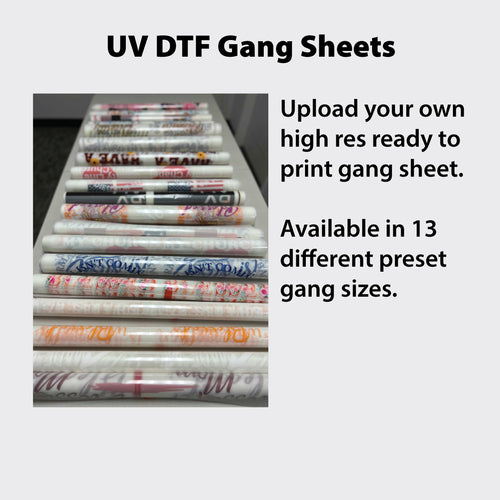
A badly built gang sheet wastes film, slows approval, and creates avoidable confusion if you are juggling left chest prints, sleeve hits, neck labels, and full fronts for the same order. In LA, that matters because a small sheet mistake can push a same-day job into tomorrow if the file has to be rebuilt.
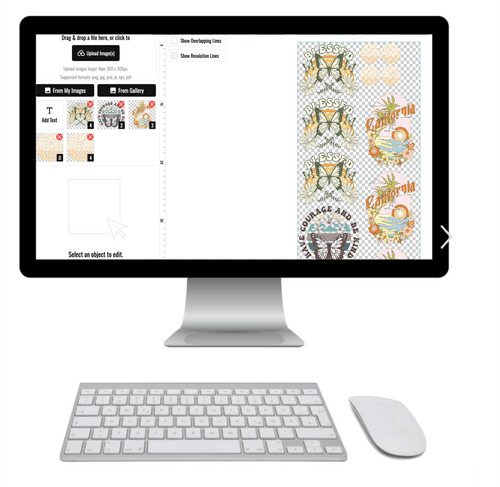
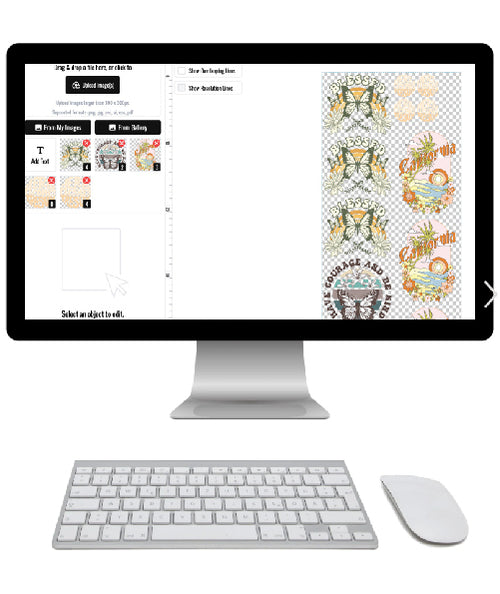
Manual layout still makes sense for some complex orders, especially when you need exact grouping by size or placement. But for repeat logos and mixed small graphics, an auto-build tool can save time and use space better than a rushed hand layout. If you want to tighten up your file setup before ordering, this guide to custom heat transfer designs covers the prep details that usually cause delays.
Common artwork mistakes in LA orders
Rush culture shows up in the files. These are the errors that come through all the time:
- Phone screenshots submitted as production art
- Black or white backgrounds left in files that should be transparent
- Very fine detail scaled down for left chest placement
- Multiple uploads with no note about which version is approved
- RGB artwork with color expectations that were never checked on fabric
Some vendors, including Lion DTF Transfers, offer an auto-build gang sheet builder and a "We Build a Gang Sheet for You" option. That is useful when the deadline is tight and the layout is mixed, but it still works better when the uploaded files are clean from the start.
One more practical point. Send one folder, one approved version, and one placement note if the order has multiple pieces. That simple habit prevents a lot of pickup-counter surprises.
Clean artwork saves time twice. Once before print, and again when the transfer peels clean and the finished shirt looks the way you expected.
Selecting the Best DTF Transfers for Your Project
Not every transfer choice is the same job with different marketing. The type of transfer, the peel style, and the garment you're pressing all change the result. If you're buying DTF in Los Angeles for mixed orders, many preventable mistakes often occur.

Hot-peel versus cold-peel
Hot-peel transfers fit faster workflows. You press, peel while hot, and keep moving. That's useful when you're producing stacks of tees and don't want your press rhythm slowed by cooling time.
Cold-peel transfers can make sense for specific preferences or workflows, but they slow the cycle because you have to wait for the sheet to cool before peeling. That delay matters more in production than many first-time buyers expect.
Here's the practical difference:
| Transfer style | Best for | Watch out for |
|---|---|---|
| Hot-peel | Faster production runs, smoother workflow | You need disciplined press technique |
| Cold-peel | Shops that prefer a cooled peel process | Slower throughput |
This visual helps if you want a quick comparison before ordering.
Match the transfer to the garment
A lot of providers say DTF works on many fabrics, but they stop there. That leaves buyers guessing on the jobs that need guidance. As noted by French Press Custom on DTF transfer use cases, a common gap is material-specific advice, especially on items like nylon and high-stretch athletic apparel.
That matters in Los Angeles because the garment mix is all over the place. You might be pressing streetwear fleece in the morning and performance tops in the afternoon.
A few practical pairings:
- Cotton tees and hoodies: Usually the easiest lane for DTF. Great for brand graphics, event merch, and artist drops.
- Poly blends: Often fine, but you should watch heat sensitivity and test before a full run.
- Athletic stretch garments: Possible, but design size, placement, and expected wear matter.
- Nylon outerwear: Direct guidance is advisable before committing.
Some garments can accept a transfer and still be a bad fit for the design. “Can it stick?” isn't the same question as “Will this wear well?”
Don't ignore non-apparel branding
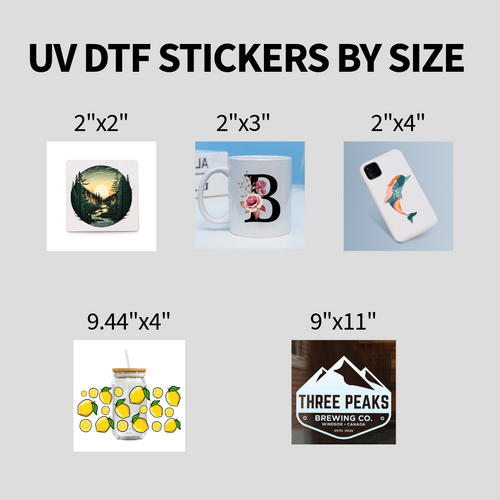
UV DTF stickers are worth considering if your project goes beyond shirts. They're useful for hard goods like bottles, packaging elements, laptops, and promo items where you want a full-color application without printing directly on the object.
That doesn't replace apparel DTF. It expands your branding system. For agencies, event teams, and merch sellers, having both options can clean up the look of a launch without adding a second vendor.
DTF Pricing Turnaround and Pickup in LA
Sheet price is often the initial focus. In practice, the bigger cost is usually time lost to bad timing assumptions, inefficient gang sheet use, or a pickup plan that wasn't realistic. In LA, your true cost includes how quickly the file gets approved, how the order enters the queue, and whether pickup beats shipping for your location.
Understand what you're paying for
Gang sheets are usually the most practical way to control cost on mixed artwork. The more intelligently you pack the sheet, the less waste you carry into each print. That's why Auto-build gang sheet builder tools matter. They reduce dead space and cut down the manual layout time that often leads to sloppy ordering.
The publisher states pricing can go as low as $0.017 per square inch in its company information. That number is useful only if your sheet is packed efficiently and your files are press-ready. Cheap space is still wasted space if you upload bad art or leave the layout half empty.
Advertised turnaround and real turnaround aren't always the same
This is the biggest gap in the DTF Los Angeles market. A provider may advertise fast production, but that doesn't automatically tell you when your order will be ready. The issue isn't just print speed. It's the chain around it.
The Los Angeles DTF transfers service page from Lion DTF points to a real market gap here: advertised turnaround often leaves out cutoff times, proof approval delays, and queue changes during rush periods. For event orders, those details matter as much as the printer itself.
What to ask before you place the order
Use this checklist when the timeline is tight:
- When does the production clock start? At checkout, after artwork approval, or after file correction?
- What is today's cutoff? Not the general policy. Today's actual cutoff.
- Can local pickup save a business day? Sometimes yes, sometimes no.
- What happens if the file is flagged? Clarify whether your order pauses.
If you want a broader look at ordering considerations, this overview on where to order DTF transfers is useful for comparing workflow fit, not just sticker price.
Pickup versus shipping in Los Angeles
Local pickup sounds obviously faster. It isn't always. If the shop is across the county and your pickup window lands in heavy traffic, the time benefit can disappear. On the other hand, if the transfer is ready and you're nearby, pickup can save a day that shipping won't.
The smart choice depends on:
| Scenario | Better option |
|---|---|
| You need the order the moment it's ready and you're close enough to get there quickly | Local pickup |
| You're far from the shop and can't control when you'll leave | Shipping |
| Your artwork may need revision first | Wait to decide until approval is done |
The mistake is assuming “next-day” means your order is already moving. Sometimes it means next-day from the point the job becomes printable. That difference is where deadlines slip.
Rush jobs fail less often when you plan backward from the event, not forward from the order confirmation.
Pro Tips for Perfect DTF Application
A strong transfer can still fail at the press. Most application problems come down to three things: wrong heat, wrong pressure, or rushing the peel before the adhesive has bonded correctly. DTF became mainstream in part because of the adhesive powder and heat transfer process, and the history of DTF printing from DecoNetwork notes that understanding how the adhesive melts and bonds is central to durability.
Build a repeatable pressing routine
Don't treat every garment the same. Start with a quick pre-press to remove moisture and flatten the surface. Place the transfer carefully, press with consistent pressure, and follow the peel method the transfer requires. If you change blanks, test again.
A reliable workflow looks like this:
- Pre-press the blank: Smooth the print area before placement.
- Align the transfer: Crooked placements are easier to prevent than fix.
- Use consistent pressure: Uneven pressure causes partial bonding.
- Peel at the right stage: Hot-peel means hot. Don't hesitate too long.
- Finish with a post-press if needed: Especially useful when you want a cleaner final hand and edge set.
Fix the common problems fast
A few issues show up constantly in small shops and home setups:
- Transfer lifting after pressing: Usually a pressure or bonding issue, not “bad luck.”
- Shiny box around the design: Often caused by pressing too large an area without protection or finish technique.
- Scorching or dye shift on sensitive blanks: Lower-risk garments still need testing.
If a transfer doesn't release properly, stop and diagnose before re-pressing blindly. More heat isn't always the answer. Sometimes it just bakes the problem in.
Pressing habits that separate clean work from rework
Good press operators stay boring. Same setup. Same placement method. Same checks before production. That discipline is what creates retail-looking results.
A transfer should feel like part of the garment, not like a rushed layer sitting on top of it.
For LA creators, that matters because a lot of apparel isn't just “for fun.” It's inventory, client work, or event gear people will inspect up close.
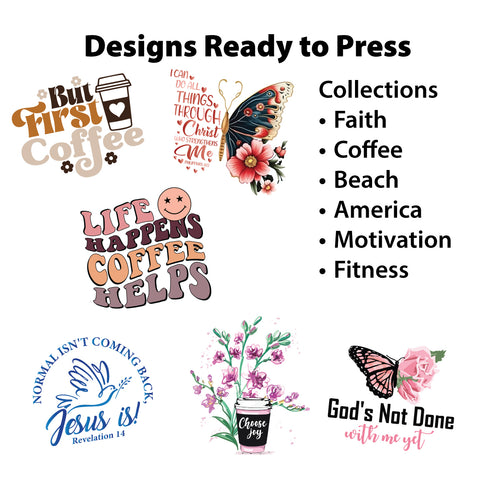
If you want a smoother way to order DTF Los Angeles transfers, gang sheets, or ready-to-press artwork, Lion DTF Transfers offers online ordering, an Auto-build gang sheet builder for easier sheet setup, and local workflow options for buyers who need faster turnaround without manually piecing every layout together.