



You've got a logo, a shirt idea, or a customer order sitting in your inbox right now. The hard part isn't coming up with the design. It's getting from a digital mockup to a finished shirt that looks clean, presses correctly, and still holds up after real wear.
That's why so many new apparel sellers start with custom T shirts using DTF transfers. You don't need to commit to screen print volume just to test a design. You also don't have to limit yourself to cotton-only blanks when a customer wants blends, polyester, fleece, or nylon. If you understand the workflow, DTF gives you a practical way to launch fast, keep quality consistent, and scale without rebuilding your whole process.
Why DTF Transfers Are Your Secret Weapon
A customer sends over a small order on Monday. Six cotton tees, four polyester polos, two hoodies, front print on all of them, back print on half, and they need pickup by Friday. That kind of mixed job is where DTF earns its place in a custom T shirts workflow.
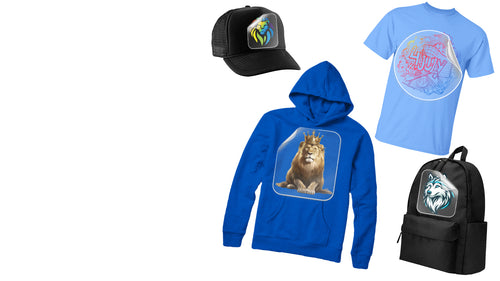
DTF gives small brands and new shops room to say yes more often. You can run full-color artwork without separating screens, decorate more than one fabric type, and order only the transfers you need for the job in front of you. For a business owner testing designs or filling short-run orders, that flexibility protects cash and keeps production moving.
What DTF does well
The process is straightforward. The design is printed onto PET film, coated with adhesive powder, cured, and then applied to the garment with a heat press. According to VistaPrint's overview of T-shirt printing methods, DTF works across cotton, blends, polyester, fleece, and nylon, but it also depends on tight process control to avoid adhesion problems.
That broad fabric range is the practical advantage. One workflow can cover retail tees, performance shirts, sweatshirts, and add-on pieces for later reorders. You do not need to switch methods every time the blank changes.
For new apparel businesses, that matters because early orders are rarely clean production runs. They are patchwork orders with mixed sizes, mixed garments, and art that would be expensive to screen print in low quantities.
If you want a better handle on sending clean art into production, start with this guide on choosing the best file format for printing.
Where DTF can cost you money
DTF is flexible, but it is still a production method with failure points.
The trade-off is simple. You save setup time and gain fabric versatility, but the press stage has to be dialed in. Bad pressure, uneven heat, under-cured adhesive, or peeling the film at the wrong time can turn a good transfer into a remake.
Common problems usually come from process shortcuts:
- Pressing by guesswork: Time, temperature, and pressure need to match the transfer and the garment. Close is not good enough.
- Ignoring fabric limits: Polyester can scorch or dye-migrate. Heavy fleece may need different handling than a lightweight tee.
- Using one setup for every design: A small left-chest logo presses differently than a large full-front print with heavy ink coverage.
- Skipping test presses: One sample shirt costs less than redoing a customer order.
Why new brands should care
DTF fits the way small apparel businesses grow. It lets you test designs before committing to volume, keep more garment options open, and fill small paid orders without building your whole model around large runs.
It also scales well if you stay organized. Shops that standardize file prep, transfer ordering, and press settings can move from one-off customs to repeatable production faster than shops that treat every order like a fresh experiment.
That is why DTF works so well as a first serious production system. It is not the cheapest option for every job, and it is not the right answer for high-volume basics. But for mixed orders, growing brands, and businesses that need flexibility without buying a full print department on day one, it solves real problems.
Designing and Preparing Your Print-Ready Files
Most bad shirt prints start long before the heat press. They start with weak art files.
A clean file saves money because it reduces reprints, back-and-forth approvals, and production delays. If the file isn't ready, the transfer won't fix it. It will only reproduce the problem cleanly.
The print-ready checklist
Start with the essentials:
- Resolution first: Build raster artwork at 300 DPI so edges print clean instead of soft or jagged.
- Use vector when you can: Logos, typography, and simple spot-style graphics are easier to scale and edit in AI or SVG.
- Set color intentionally: Keep your workflow consistent so what you approve on screen doesn't drift unpredictably in print.
- Outline fonts: If the type isn't converted, missing fonts can change your layout without warning.
- Keep the background transparent: PNG and TIFF files are common choices when transparency matters.
- Respect margins: Crowded artwork creates placement problems fast, especially on smaller sizes.

If you're unsure which file type to send, this breakdown of what file format is best for printing is a useful starting point.
Raster versus vector in real shop use
Beginners frequently overcomplicate this. You don't need every file to be vector. You need the right file for the design.
Use vector art for:
- Brand logos
- Typography-heavy graphics
- Simple icons and badges
Use high-resolution raster art for:
- Photos
- Painted textures
- Complex gradients
- Distressed artwork with intentional detail
The wrong move is mixing low-resolution internet art into a production file and assuming the press will hide it. It won't. DTF is good at reproducing detail, which means it also reproduces fuzzy edges and compression damage.
If the art looks questionable at full size on screen, it usually looks worse on the shirt.
Placement matters more on oversized shirts
A standard placement guide can steer you wrong when you move into streetwear fits or oversized merch. Independent guidance on oversized custom T-shirt print placement notes that a chest print can shift 2–4 inches compared with a standard shirt, and recommends scaling artwork to garment width while using back prints more intentionally.
That's a useful correction for custom T shirts built around heavyweight blanks or dropped shoulders. A front print that feels balanced on a standard retail tee can look oddly high or too small on an oversized body.
A practical approach:
- Measure the actual garment width, not just the labeled size.
- Scale the artwork to the silhouette, not to a default template.
- Leave negative space on purpose so the print feels placed, not floating.
- Use larger back art carefully because oversized cuts can support it better than standard tees.
File prep habits that prevent expensive mistakes
Before you upload anything, check these points:
- Spellcheck the art: Brand names, event dates, and team names are the fastest way to burn money on avoidable reprints.
- Match the garment color to the mockup: A design built for white can disappear on athletic heather or sand.
- Zoom in on edges: Halos, stray pixels, and rough knockout paths show up in production.
- Confirm print size in inches: “Large enough” isn't a production instruction.
Good custom T shirts usually come from boring discipline at the file stage. That's a good thing.
Ordering Transfers The Smart Way with Gang Sheets
Ordering one transfer at a time works when you're testing a single design. It gets expensive and slow once you start filling real orders.
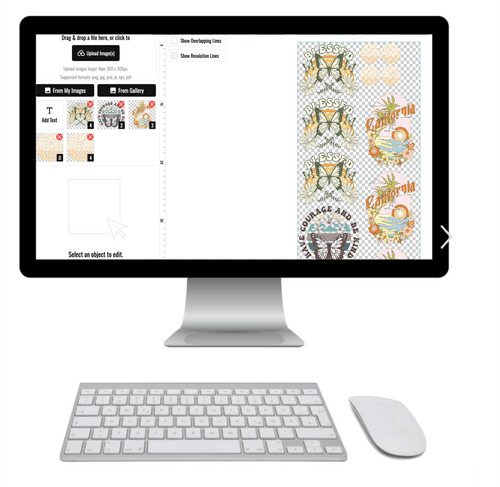
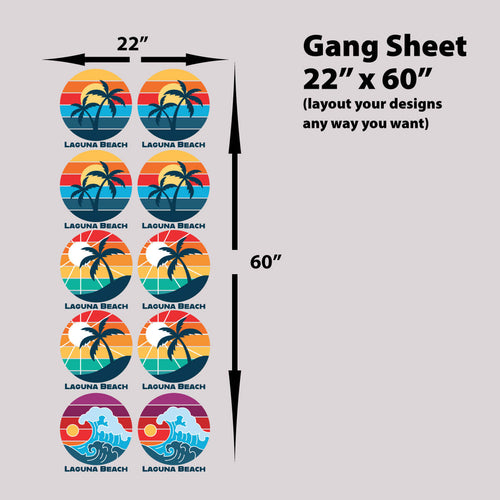
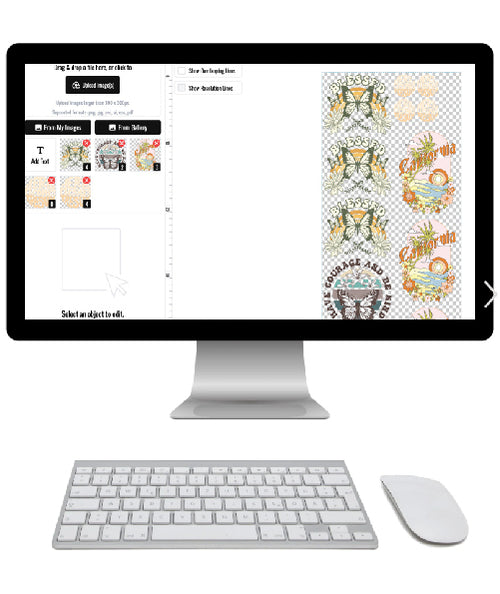
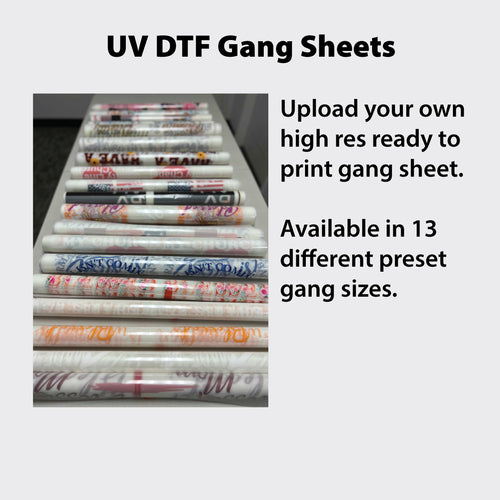
Gang sheets solve that by letting you place multiple designs, sizes, or repeat logos on one sheet of film. For a small shop, that changes the math. You use more of the printable area, reduce waste, and keep mixed jobs moving without ordering every element separately.

When gang sheets make sense
Gang sheets are especially useful when your order includes variation:
- A full-size front print plus left-chest logos
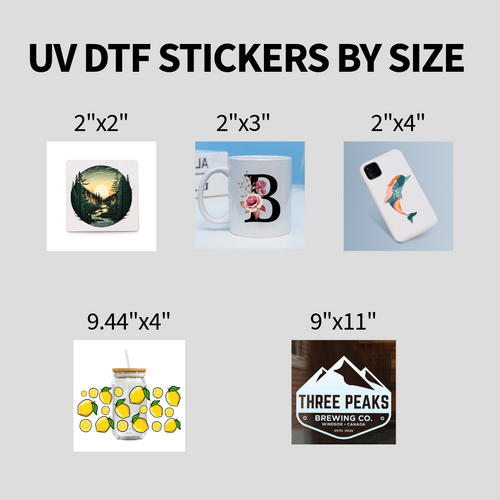
- Multiple youth and adult sizes of the same art
- A few different customer jobs combined into one build
- Neck labels, sleeve hits, and main graphics on the same run
That's where a manual layout can become a time sink. A shop owner can easily spend too long nudging art around a sheet just to save a little space.
An easier option is an auto-arranging builder. For example, Lion DTF's gang sheet builder guide explains a workflow that automatically places uploaded designs to use sheet space more efficiently. That's useful when you want the cost benefits of gang sheets without doing layout by hand.
What works and what doesn't
Gang sheets work well when the job has clear organization. They don't work well when the file naming is a mess and nobody knows which logo belongs to which garment.
Keep the build clean:
- Name files clearly: Include size, placement, and customer or job name.
- Group by purpose: Fronts together, backs together, labels together.
- Leave enough room for trimming: Tight packing saves film, but crowded layouts slow fulfillment.
- Check duplicates before submitting: Reordering a missing size is more expensive than catching it up front.
A quick demo helps if this is your first time using them:
Shop-floor advice: If you're building custom T shirts for multiple customers in the same week, gang sheets help most when you standardize naming and trimming. The savings come from workflow discipline as much as sheet efficiency.
The Perfect Press Application Process
A good transfer can still fail on the press. Most first-time problems come from moisture in the shirt, poor positioning, uneven pressure, or guessing at settings.
The safest habit is to treat pressing like production, not like crafting. Stay consistent. Change one variable at a time. Write your proven settings down.
The sequence that keeps prints clean
Use this order every time:
- Pre-press the garment to remove moisture and flatten wrinkles.
- Lint-roll if needed, especially on fleece or anything that picks up fibers.
- Position the transfer carefully using a consistent placement method.
- Press with the correct temperature, time, and pressure for the fabric.
- Peel as directed for the transfer you're using.
- Finish press if needed to settle the print and improve hand feel.
The biggest mistake is skipping the pre-press because the shirt “looks flat enough.” Moisture and wrinkles don't need to be obvious to create bond problems.
A starting settings chart
Use manufacturer instructions first. If you need a working starting point for shop testing, build your own standard chart and confirm it on each blank style.
| Fabric Type | Temperature | Time | Pressure |
|---|---|---|---|
| 100% Cotton | Follow transfer supplier guidance | Follow transfer supplier guidance | Medium to firm, based on press and transfer guidance |
| Polyester | Follow transfer supplier guidance | Follow transfer supplier guidance | Adjust carefully to avoid fabric distortion |
| 50/50 Blends | Follow transfer supplier guidance | Follow transfer supplier guidance | Medium pressure is often a safe testing point |
For a more detailed walkthrough, this guide on how to press DTF transfers is a practical reference.
Fabric-specific judgment matters
Cotton is usually the easiest place to learn because the garment is more forgiving. Polyester needs more attention because too much heat can affect the fabric before the transfer ever becomes the problem. Blends sit in the middle and often need a little testing to dial in.
What helps most:
- Test one garment first: Don't run the full order blind.
- Check pressure across the platen: Uneven pressure creates edge failures.
- Watch corners and thin details: They often reveal a weak bond before larger areas do.
- Let the shirt cool or peel as directed: Guessing at peel timing creates avoidable failures.
A transfer that survives the peel isn't automatically a good print. Stretch the fabric lightly, inspect the edges, and look for silvering or lift before you call it done.
Finishing Touches and Long-Term Care
A finished shirt shouldn't go straight from the press into a shipping bag while it's still warm and wrinkled. That's how good work starts looking cheap.
The final stage matters because customers form their impression of the whole order at this point. Clean folding, a tidy presentation, and simple care instructions do more for repeat business than commonly expected.
Finish the garment like a retailer would
The production flow for T-shirts typically moves from order intake through material sourcing, sewing, finishing, decoration, inspection, and then folding, packing, and shipping. A practical apparel workflow reference from ApparelnBags' development process guide also notes that final inspection and touch-ups happen before packaging, with quality checkpoints used to catch issues like loose threads and stitching flaws.
That's a useful standard even if you're decorating blanks rather than manufacturing garments from scratch.

A quick finishing routine helps:
- Inspect the print edge: Look for lifting, incomplete bonding, or visible press marks.
- Check the garment body: Stray threads, lint, and stains are still your problem if you ship them.
- Fold consistently: Neat folding makes even simple packaging feel more professional.
- Pack only after the shirt is settled: Let the print cool and relax before bagging.
Care instructions that reduce complaints
If you sell custom T shirts, include care guidance with every order. Don't assume customers know how to wash decorated apparel.
Keep it simple:
- Wash inside out
- Use cold water
- Avoid harsh wash settings
- Tumble dry low or air dry when possible
- Don't iron directly on the print
These instructions aren't just courtesy. They protect the appearance of the print and reduce avoidable “quality” complaints that are really care issues.
Pricing and Scaling Your Custom T-Shirt Business
A lot of new sellers underprice their first custom T shirts because they only count the blank and the transfer. That leaves out labor, spoilage, packaging, and the time lost fixing bad files or re-pressing a mistake.
Price from total job cost, not from optimism.
Build a usable COGS formula
A simple cost-of-goods framework looks like this:
Blank garment + transfer cost + labor + packaging + overhead allocation = true unit cost
Then add your profit margin on top of that true cost.
If you skip labor because you're doing the work yourself, your pricing will break as soon as volume increases. If you skip spoilage, one bad batch can wipe out the margin from several good orders.
A practical pricing habit is to separate jobs into categories:
- Simple repeat orders
- Mixed-size team or event jobs
- Premium retail-style merch
- Rush orders
Those categories usually carry different labor burdens, even if the shirt looks similar at first glance.
Where the market opportunity really sits
The business case for custom T shirts isn't limited to hobby sellers. Grand View Research reports that the custom T-shirt market was valued at USD 5.16 billion in 2024, and the commercial segment represented 56% of end-use demand. That matters because it points to real demand from branding, events, and merchandising, not just one-off personal orders.

That commercial demand changes how you should think about scaling. The goal isn't only to sell cool designs online. It's also to become reliable for schools, local companies, contractors, gyms, events, and agencies that need repeat apparel.
How small shops scale without chaos
Growth usually comes from process, not from buying more equipment too early.
Focus on these pressure points:
- Standardize blanks: Fewer garment variables make pressing and quoting easier.
- Keep your winning designs organized: Reorders should be fast, not detective work.
- Move mixed artwork to gang sheets sooner: That cuts waste and reduces ordering friction.
- Write SOPs for file checks and pressing: If only one person knows the process, the shop can't scale smoothly.
- Track failure patterns: If peeling keeps happening, look at press habits before blaming the transfer.
Margin check: The shops that scale cleanly are usually the ones that control rework. A job you have to press twice was underpriced the first time.
When volume rises, custom T shirts stop being a design problem and become an operations problem. The shops that win are the ones that quote clearly, prep files correctly, group jobs intelligently, and maintain consistent press standards.
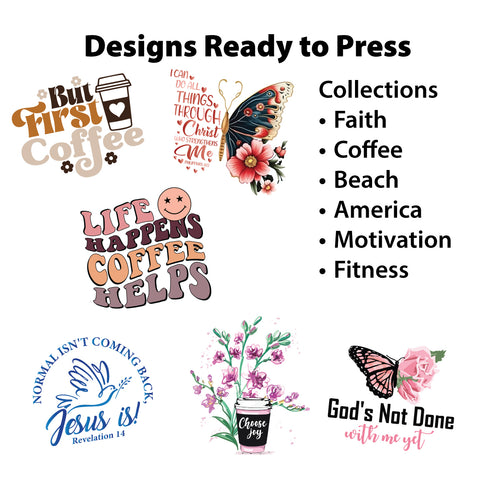
If you need a reliable source for ready-to-press transfers and a simpler way to build cost-efficient gang sheets, Lion DTF Transfers offers custom DTF transfers, hot-peel options, and an Auto-build gang sheet builder that helps organize multiple graphics onto one sheet with less manual layout work.