


You've got a shirt idea. Maybe it's a brand drop, a staff uniform, a reunion design, or the first piece of merch you've ever tried to sell. The artwork looks good on your screen, but once you start ordering, the questions pile up fast. Which print method fits the job? Why does one printer want a transparent PNG while another asks for vector art? Why do some shirts look crisp and retail-ready while others feel heavy, off-center, or cheap?
That confusion usually shows up in the middle of the process. Most buyers understand the beginning, which is the design, and the end, which is the finished shirt. The unclear part is everything between those two points. File prep, transfer production, layout choices, garment selection, pressing, and placement are where good projects stay good or fall apart.
Custom shirt printing is a lot easier once you stop treating it like one giant mystery and start treating it like a workflow. A clean design file becomes a printable transfer. The transfer gets paired with the right garment. The garment gets the right size and placement. Then the pressing and finishing lock everything in. When each step supports the next one, the shirt looks intentional instead of improvised.
From Idea to Iconic Custom Shirt
A first big apparel order often starts with confidence and then hits a wall. The design is done. The event date is set. The team wants shirts. Then someone asks whether the file is high resolution, whether the logo should be screen printed or transferred, or whether the oversized streetwear blanks need different placement than standard tees. That's when many buyers realize they're not really ordering “shirts.” They're managing a production process.
The easiest way to think about custom shirt printing is like building a sign system for fabric. Your artwork is the blueprint. The print method is the manufacturing tool. The garment is the surface you're building on. If any one of those pieces is mismatched, the finished result can still be wearable, but it won't look polished.
I've seen the same pattern over and over with new clients. They focus almost entirely on the graphic and barely think about the transfer stage, the shirt style, or the final press. That's normal. The middle step feels technical, so people skip it. But the middle is where professional results are made.
A strong shirt project usually doesn't fail because the idea was weak. It fails because the artwork, print method, and garment weren't matched correctly.
That's also why modern transfer workflows have changed the buying experience so much. You don't always need to commit to one old-school production path from start to finish. You can separate transfer production from garment application, control layout more precisely, and use online tools that make the ordering side much less manual than it used to be.
If you understand a few core trade-offs, you can order with a lot more confidence and avoid the mistakes that make custom apparel look amateur.
Choosing Your Custom Shirt Printing Method
The print method decides more than most buyers expect. It affects color handling, fabric compatibility, feel, setup time, and whether your order makes financial sense. For most projects, the practical choices come down to screen printing, DTG, and DTF.

How the three methods differ in real use
Think of these methods like three different production tools in a shop.
Screen printing is the workhorse for simpler art and larger runs. It's reliable when the design uses a limited number of solid colors and you're printing enough pieces to justify setup. The trade-off is built into the process itself. Each ink color needs its own screen, so setup labor rises with color count. One industry spec guide notes that screen printing is best for designs with no more than 6 colors, and the artwork needs vector-separated color layers so each color can be isolated cleanly for exposure and registration, as outlined in Envato's t-shirt template requirements.
DTG, or direct-to-garment, works more like printing directly onto the shirt surface. It's a good fit for detailed graphics and art that would be awkward to separate for screens. It's often the method buyers consider when they want small runs on cotton garments and don't want to deal with screen setup.
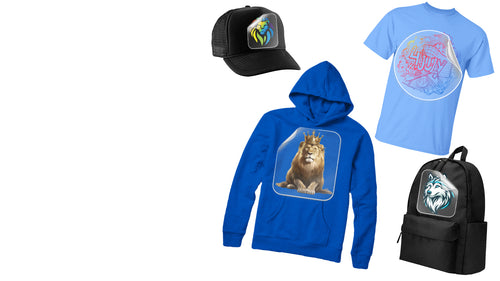
DTF, or direct-to-film, prints the design onto transfer film first, then heat applies it to the shirt. That middle step is exactly why it has become such a practical option. It handles full-color artwork well, works across a wider range of garments, and doesn't force the same setup logic that screen printing does.
What works and what doesn't
Here's the simplest side-by-side view:
| Method | Usually works well for | Usually causes friction when |
|---|---|---|
| Screen printing | Simple logos, team shirts, larger runs, limited colors | The art has many colors, gradients, or frequent design changes |
| DTG | Detailed artwork on cotton garments, short runs | You need broader fabric flexibility or transfer-based workflow control |
| DTF | Full-color designs, mixed garment types, flexible ordering | The buyer expects the print to behave exactly like ink absorbed into fabric |
A few patterns hold up in real jobs:
- Choose screen printing when the design is bold, the color count is controlled, and the order size supports setup.
- Choose DTG when you're printing detailed art directly onto cotton shirts in lower quantities.
- Choose DTF when you want flexibility, strong color handling, and the option to separate transfer production from garment pressing.
Practical rule: If your artwork keeps changing, has lots of color, or needs to go on different garment types, a transfer workflow is usually easier to manage than a screen setup.
Why many buyers land on DTF
For new brands, event organizers, and small shops, DTF often solves the biggest headaches at once. You can run detailed graphics without reducing everything to a few spot colors. You can keep transfers ready before garments are finalized. You can press the same artwork onto different blanks without rebuilding the job from scratch.
If you want a direct method comparison focused on trade-offs between digital approaches, this breakdown of DTF vs DTG printing is a useful companion read.
Preparing Flawless Artwork for Printing
Most bad shirt prints start long before production. They start with a file that looked fine on a laptop but wasn't built for print. Blurry edges, dull color, fuzzy shadows, accidental backgrounds, and tiny stray pixels all come from artwork problems first.
For garment-printing workflows, the file should be supplied at the actual print size, at 300 dpi, and in CMYK color mode. That combination preserves raster detail and gives the RIP software a consistent file to convert into the printer's output profile, which helps reduce soft edges and color shifts, according to One Hour Tees' artwork specifications.

Build the file for the shirt, not for the screen
This is the mistake I'd fix first on almost any customer-supplied file. People design a graphic in a random canvas size, then expect the print shop to scale it up. That only works if the original file had enough detail to begin with.
A print file should match the size you want on the garment. If the chest print needs to be a certain width on the shirt, build the art at that width from the start. Don't send a small mockup and expect software to create missing detail.
Here's the practical checklist I'd use before uploading any file:
- Match final dimensions: Build the artwork at the intended print size, not a thumbnail version.
- Check resolution: Raster files need to stay sharp at full size, which is why 300 dpi matters.
- Keep the background clean: If the design shouldn't print a box behind it, the file needs true transparency.
- Inspect edges closely: Zoom in and look for halos, soft fringing, and leftover pixels around the art.
File types and transparency matter more than people think
For transfer and digital garment workflows, a clean PNG with transparency is often the easiest path when the art is raster-based. Logos and spot-color art may still be better built in vector format, especially if the design needs scaling or color separation for another production method later.
The biggest issue isn't whether the file came from Photoshop, Illustrator, Procreate, or Canva. The issue is whether the export is clean. Semi-transparent shadows can print differently than expected. White backgrounds that look invisible on-screen can become a printed rectangle. Tiny anti-aliased edge artifacts can show up as a rough outline on fabric.
Don't judge a file at normal zoom. Check it close enough to see the edge quality, because the press will reveal things your screen hides.
If you need a practical breakdown of upload-ready formats for apparel work, this guide to the best file format for printing can help you decide when to use PNG, vector, and other formats.
Common artwork mistakes that cost time
Some issues don't ruin a job, but they slow everything down because someone has to stop and ask questions.
-
The art is low resolution
The design may still be printable, but it won't magically become crisp. - The background isn't transparent A white fill layer is not the same thing as no background.
-
Fonts haven't been finalized
If live text shifts, your approved mockup and final print can stop matching. -
Effects were added for screen viewing
Glows, soft shadows, and subtle transparency often need closer review before print.
Custom shirt printing gets easier when your file is already production-ready. Then the shop can focus on output quality instead of cleanup.
The Modern Workflow Ordering and Fulfillment
The biggest change in custom shirt printing isn't just print quality. It's workflow. Buyers no longer have to treat printing and pressing as one inseparable service. A modern transfer workflow lets you order the printed transfer first, then apply it when and where you need it. That creates more control for brands, shops, and even first-time buyers who want less risk.

Why the middle step matters
In a transfer-based workflow, your art is printed onto film, prepared for heat application, and delivered ready to press. That means the printing stage happens before the garment stage. For many clients, that's a better operational setup than ordering fully finished shirts all at once.
It gives you options. You can confirm blanks later. You can split transfers across different shirt colors or sizes. You can keep extras for reprints instead of restarting an entire production cycle. If you run a small shop, it also lets you focus your labor where it matters most, which is finishing and fulfillment rather than maintaining every print process in-house.
Gang sheets are where a lot of savings happen
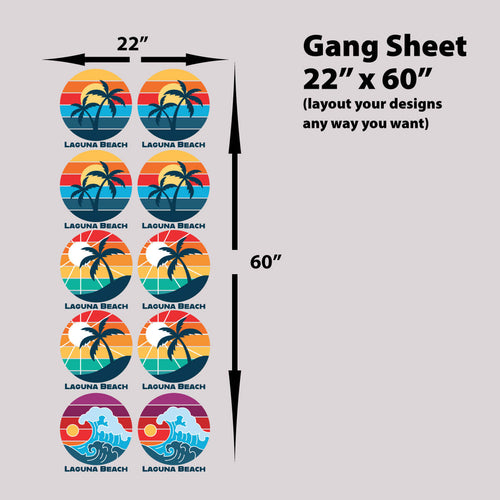
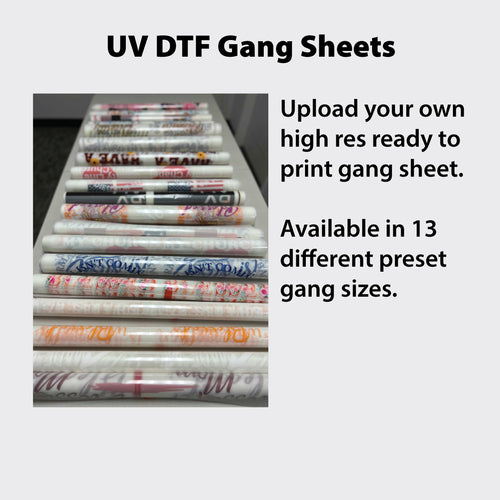
A gang sheet is a larger sheet that holds multiple designs, names, logo variations, or repeated prints in one layout. Instead of ordering every graphic as a separate standalone item, you combine them into one efficient sheet. That matters for cost control, but it also matters for organization.
A good gang sheet helps when you're producing:
- Brand drops: Multiple front and back graphics for one collection
- Staff uniforms: Left-chest logos plus larger back prints
- Schools and teams: Shared mascots, player names, and sponsor marks
- Makers and crafters: Mixed-size designs for gifts, test presses, or seasonal runs
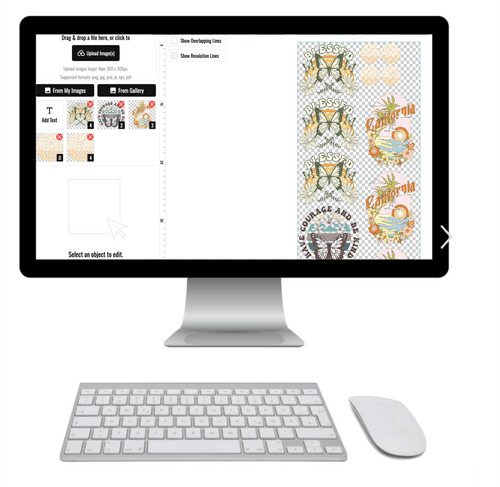
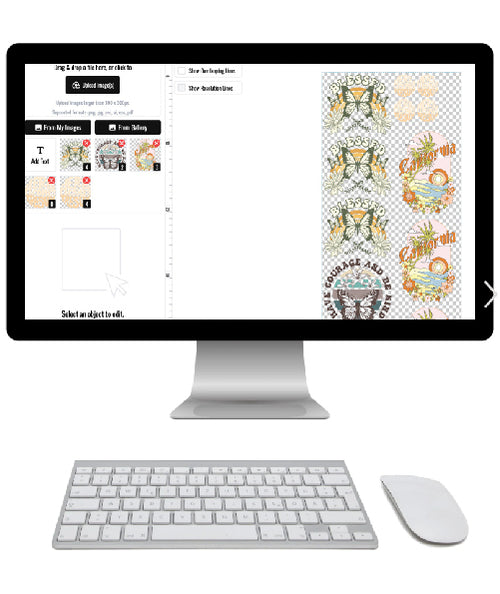
Manual gang sheet building can be tedious. You upload files, resize each one, try to avoid wasted space, and second-guess whether the layout is efficient. That's why an Auto-build gang sheet builder is such a useful tool. It removes the drag from the process by arranging uploaded artwork automatically for practical spacing and better sheet usage, which makes ordering easier and more cost-effective than dragging every element around by hand.
One option in that category is Lion DTF Transfers, which offers an online auto-build gang sheet workflow for uploaded artwork and transfer ordering. The key value in any tool like this is simple. It reduces layout errors, speeds up ordering, and helps buyers use their sheet space more intentionally.
A cleaner ordering process
Here's the workflow I recommend for most transfer-based jobs:
-
Finalize art first
Clean file, right size, transparent background if needed. -
Group designs logically
Put repeat prints, sleeve hits, left-chest logos, and back graphics into one plan before ordering. -
Build the gang sheet
Let the software arrange what it can, then review spacing and orientation. -
Match transfers to blanks
This is when you confirm garment color, fabric, and size breakdown. -
Press with consistency
Use the right temperature, pressure, and dwell settings for the transfer and garment combination.
The video below gives helpful visual context for how transfer ordering fits into the broader production flow.
Fulfillment gets easier when printing and pressing are separated
New clients typically find relief, as once transfers are in hand, fulfillment stops feeling like a giant custom manufacturing event and starts feeling like a controlled finishing process. That's especially useful if sizes change, blank availability shifts, or you need to restock a design without rebuilding every file.
The smoother workflow usually isn't the one with the fewest steps. It's the one where each step is easier to control.
That's why the middle step deserves more attention than it usually gets. Transfer production isn't just a technical detail. It's what turns custom shirt printing from a confusing order into a repeatable system.
What Determines Print Quality and Durability
People often judge a printed shirt in the first five seconds by three things. How sharp it looks, how it feels in the hand, and whether the placement looks intentional. Actual quality runs deeper than that, but those first signals matter.

The print has to suit the garment
A strong print on the wrong shirt still feels wrong. A heavyweight oversized tee, a soft retail cotton blank, and an athletic synthetic top don't all present the graphic the same way. The print has to move with the garment enough to feel natural, and it has to sit on the fabric in a way that matches the shirt's intended use.
That's why “durable” can't mean only one thing. Buyers usually want a print that holds color, resists premature cracking, and stays consistent through repeated wear and washing. They also want a print hand that fits the project. Some jobs should feel more integrated and subtle. Others can tolerate a more noticeable transfer presence if the color payoff and versatility are worth it.
Placement is part of quality
A lot of disappointing shirts were printed well. They were just sized or positioned poorly.
One sizing guide notes that print widths commonly move from about 9–10.5 inches on standard tees to 11–13 inches on 2XL–3XL to keep the design visually balanced on larger garments, as explained in this oversized custom t-shirt sizing guide. That same guide also highlights why oversized blanks need different visual centering. A design that looks fine on a regular tee can read too low or too small on a modern oversized shirt.
This is one of the easiest ways to spot whether someone understands apparel printing or is just decorating fabric. Oversized garments usually need a larger print area, a higher visual center, and more awareness of dropped shoulders and wider body proportions.
A centered design isn't always visually centered. Shirt cut changes how the eye reads placement.
What to check before approving production
Use this quick review before you greenlight a run:
| Quality checkpoint | What to look for |
|---|---|
| Print edge clarity | Clean lines, no fuzzy halos, no accidental artifacts |
| Color presentation | Balanced, readable color on the actual garment color |
| Hand feel | Appropriate for the shirt style and expected use |
| Stretch behavior | The print shouldn't feel brittle on garments that move a lot |
| Placement | Sized and positioned for the specific blank, not a generic template |
If durability is a major concern for your project, this overview of how long DTF transfers last is worth reading alongside your garment and care decisions.
The highest-quality custom shirt printing doesn't come from one magic machine. It comes from matching artwork, transfer, garment, and placement so the finished shirt looks intentional from every angle.
Custom Shirts for Brands Businesses and Makers
Custom shirt printing is no longer a niche service for large bulk orders. The market itself shows how established the category has become. The global custom t-shirt printing market was valued at $5.16 billion in 2024 and is projected to reach $9.82 billion by 2030, reflecting an 11.5% CAGR from 2025 to 2030, according to Grand View Research's custom t-shirt printing market analysis.
That growth makes sense when you look at who's using it. It isn't just clothing brands. It's local businesses, schools, clubs, creators, event teams, and home-based sellers who need professional-looking apparel without making the process harder than it needs to be.
Small brands and online sellers
A startup brand usually needs flexibility more than anything else. The design may evolve. Blank choices may change. A back graphic might stay while the front hit gets revised. Transfer-based ordering helps because it gives the brand room to test designs without locking every decision at once.
I've seen newer sellers make a smart move by keeping their first release tight. One or two strong graphics. Consistent placements. Good blank selection. The result feels more like a brand and less like a collection of random artwork.
Local businesses and working teams
For a contractor, coffee shop, gym, or service business, shirts are often doing two jobs at once. They identify the team and they represent the business in public. That means reliability matters more than novelty.
The best business orders usually keep the front simple and make sure the back is readable at a glance. A left-chest logo, a clean back mark, and blanks that fit the actual work environment will outperform a more complicated concept almost every time.
Schools, clubs, and event organizers
Group apparel has its own pressure. The order has to satisfy a lot of people quickly, and someone is always trying to manage names, sizes, and last-minute changes.
That's why organized transfer workflows and gang sheets are so useful here. Mascot art, sponsor logos, participant names, and alternate placements can all be handled in a more structured way than piecing together separate jobs. When the files are clean and the layouts are planned well, spirit wear and event shirts stop feeling chaotic.
Makers and side hustlers
A home crafter with a heat press isn't trying to run a factory. They usually want a dependable way to make gifts, personalized apparel, or short-run products they can sell locally or online. That's where modern custom shirt printing opens the door. You can focus on design, branding, and garment choice without needing to own every piece of print equipment yourself.
Good apparel projects don't all look the same. A school fundraiser, a merch launch, and a family event can use different workflows and still arrive at professional results.
Your Final Checklist for Professional Results
Before you place a custom shirt printing order, slow down and check the details that affect the final shirt most. Doing so makes expensive mistakes easiest to prevent.
Pre-order review
- Match the method to the job: Simple bulk graphics often fit screen printing. Detailed and flexible projects often fit digital or transfer workflows better.
- Build artwork at final size: Don't upload a small mockup and expect it to sharpen itself later.
- Use a clean print-ready file: Transparent background where needed, clean edges, no stray pixels, no accidental white box.
- Choose the garment on purpose: The shirt weight, fabric, fit, and color all affect how the print reads.
- Review placement by garment style: Standard tees, fashion fits, and oversized blanks shouldn't all use the same art dimensions and placement.
- Plan the sheet efficiently: If you're ordering transfers, combine designs thoughtfully and use an Auto-build gang sheet builder when it makes the layout easier and more cost-effective.
Approval mindset
Don't approve based only on the artwork itself. Approve based on the finished shirt you're trying to create. That means looking at method, file, blank, size, placement, and fulfillment as one connected system.
If you do that, you won't be ordering blindly. You'll be making the same decisions an experienced shop makes before production starts.
Custom shirt printing gets a lot less intimidating once you understand the workflow. Then it becomes what it should be. A practical way to turn good design into apparel people want to wear.
If you're ready to turn finished artwork into press-ready transfers, Lion DTF Transfers offers online ordering for custom DTF transfers, gang sheets, and an Auto-build gang sheet builder that can simplify layout and help you order more efficiently.