



You’re probably in one of two spots right now. Either you’re tired of weeding vinyl for jobs that should’ve been profitable, or you’re turning down short-run full-color orders because screen printing setup costs don’t make sense for them.
That’s exactly where custom dtf transfers ready to press fit. They let a small shop, side hustler, school fundraiser, Etsy seller, or promo company sell polished apparel without owning a full print production line. You prep the file well, order smart, press correctly, and move on to the next order instead of burning time on labor that customers never want to pay for.
Why Ready to Press DTF Is a Game Changer for Creators
A customer emails at 2 p.m. asking for 18 full-color shirts for a weekend event. The art has gradients, small text, and three name variations. If you cut that in HTV, labor eats the profit. If you screen print it, setup and minimums can push the order out of range. Ready-to-press DTF keeps that kind of job workable.
What changes first is your production rhythm. Instead of spending hours weeding fine detail or setting up a process built for larger runs, you upload prepared artwork, build the sheet, place the order, and press when it arrives. For a small business, that matters more than the print method itself. The shops that stay profitable are usually the ones that remove slow handwork, quote accurately, and keep turnaround tight.

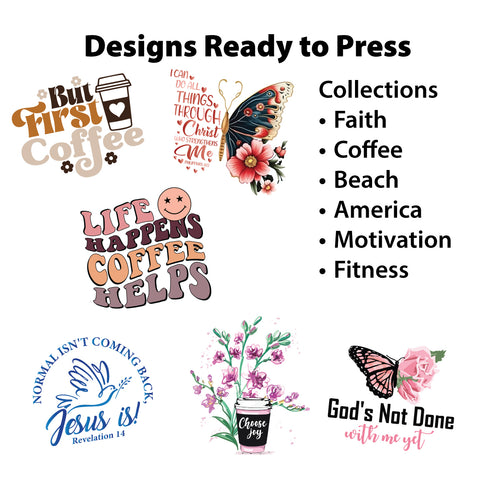
Ready-to-press DTF fits that model well. It handles full-color artwork, small runs, and variable orders without forcing you to own the printer, maintain powder and film inventory, or slow down the shop for setup-heavy jobs. These services are typically sold: low minimums, square-inch pricing, and ordering built around short-run flexibility rather than long production commitments.
That flexibility shows up in the numbers you quote every day. You can test a design before committing to inventory. You can say yes to twelve shirts instead of requiring fifty. You can combine left chest logos, back prints, and sleeve hits on one gang sheet and protect margin instead of letting wasted space eat the order.
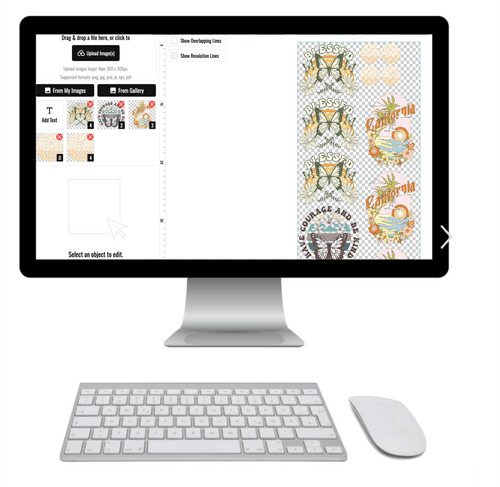
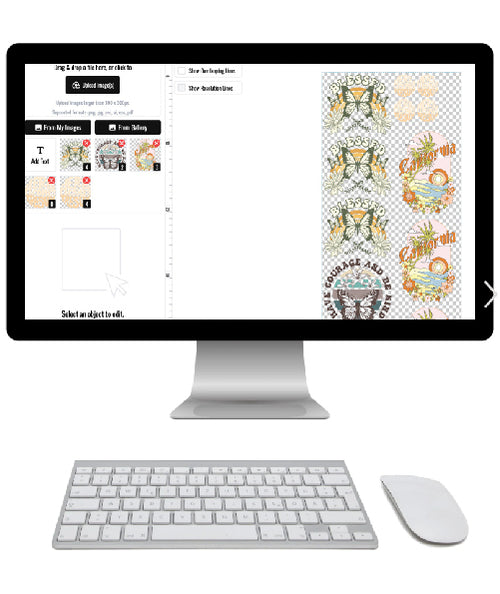
Tools matter here. An auto-builder is not just a convenience feature. It saves layout time, reduces placement mistakes, and helps smaller shops fill gang sheets more efficiently. Fast shipping matters for the same reason. If a provider can print and ship quickly, you carry less inventory, tie up less cash, and take more last-minute work without throwing your whole week off schedule.
Why small operators adopt it quickly
Small brands, home-based sellers, school apparel businesses, and local decorators usually run into the same bottleneck. They do not lack demand. They lack a repeatable workflow that stays profitable on short runs.
Ready-to-press Lion DTF solves that problem well because the work shifts from production labor to order management. That is a better trade for most small operators. Time spent weeding vinyl or troubleshooting in-house film output is time not spent selling, quoting, packing orders, or fixing artwork before it becomes an expensive mistake.
A good workflow looks simple on the surface. Clean file. Smart gang sheet. Fast reorder. Press and ship.
That simplicity is where margin comes from.
Where it makes the most business sense
Ready-to-press DTF is a strong fit for businesses that need flexibility more than they need maximum volume pricing on a single design:
- E-commerce sellers: Test new graphics without preprinting stock that may not sell.
- Local print shops: Accept short-run, full-color orders that do not fit screen printing economics.
- Schools and teams: Produce event shirts, staff apparel, and player personalization without oversized minimums.
- Promo companies: Handle repeat orders and rush timelines with a more predictable workflow.
- Makers and side hustlers: Sell polished apparel without buying and maintaining a full DTF production setup.
Industry analysts broadly expect DTF adoption to keep rising as apparel decorators look for faster short-run production and lower setup friction. On the shop floor, that trend is easy to understand. Ready-to-press transfers make quoting easier, scheduling easier, and cash flow easier to manage, especially when you use tools that cut layout time and a supplier that ships fast.
Preparing Your Artwork for Flawless DTF Prints
A bad file can turn a profitable order into a remake before the press ever heats up.
I see this with new apparel sellers all the time. The transfer arrives on time, the press settings are correct, and the print still looks wrong because the artwork was pulled from a website, sized up too far, or exported with a hidden white background. Ready-to-press DTF saves labor on production, but only if the file is ready to print.

Start with final size, then check resolution
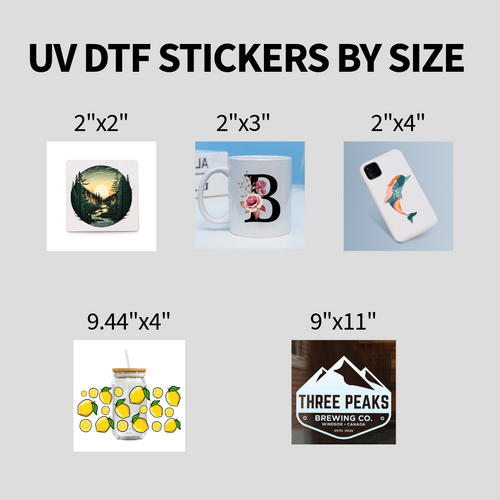
Build the artwork at the size you plan to press. If the left chest print will be 3.5 inches wide, set the file to 3.5 inches wide from the start and keep it at 300 DPI minimum. That avoids the most common beginner mistake, which is stretching a small image and hoping the transfer printer will clean it up.
Screen graphics fool people. A file can look sharp on a phone or laptop and still print soft because the original image does not have enough real detail.
A few habits prevent most of the expensive problems:
- Set the print dimensions first: Design to the actual garment size, not an approximate size.
- Use original artwork: Avoid screenshots, social media downloads, and web images.
- Check small text at full size: If it looks weak on screen at actual print size, it will usually look worse on film.
- Keep distressed effects intentional: Texture is fine. Accidental blur is not.
Fix the background before you upload
Transparent means transparent. A white square behind the logo is still part of the print file, and it will usually show up as an unwanted box on the garment.
Here is a common file error I run into:
| File version | What it looks like | What happens in production |
|---|---|---|
| Before fix | Team logo copied onto a white artboard and saved as PNG | The transfer prints the logo plus a visible white rectangle |
| After fix | Same logo exported with a true transparent background | Only the artwork prints, with clean edges around the design |
PNG works well for many ready-to-press orders because it supports transparency. If you are designing in Photoshop, Illustrator, CorelDRAW, Canva, or another program, turn off any background layer you do not want printed before export.
These problem areas deserve a close look:
- Fake transparency: White fill left behind from the artboard or template
- Soft glows and shadows: These can print muddy if they were added casually
- Low-opacity edges: Half-transparent haze often looks like a mistake on finished apparel
Soft effects can work. They just need to be deliberate.
Build artwork for a transfer, not for a monitor
DTF holds detail well, which is helpful and unforgiving at the same time. Clean lines, readable text, and intentional color breaks usually press well. Hairline strokes, tiny isolated elements, and weak gradients are where orders start to slow down.
That matters for workflow, not just print quality. If your supplier has to question the file, production pauses. If you catch the issue before upload, the order stays on schedule and you keep your margin.
Use this checklist before you send anything to production:
| Artwork element | Usually prints well | Usually causes trouble |
|---|---|---|
| Background | Transparent export | White box or leftover fill |
| Resolution | 300 DPI at final size | Enlarged web image |
| Line weight | Clear lines with enough thickness | Fine details that break up |
| Effects | Controlled shading and fades | Random glow, blur, or haze |
| File type | Clean PNG or print-ready source file | Screenshot or cropped social post |
If you plan to combine multiple logos, sizes, or placements later, it helps to understand how file prep affects sheet layout. Lion DTF explains that well in its guide to DTF gang sheets and layout planning.
A simple review routine saves money
Shops that stay profitable do not treat file prep like a guessing game. They use the same review routine every time, whether the order is one shirt or fifty.
Use this before upload:
- Zoom in closely: Check edges, outlines, and distressed areas
- Place the file on a dark background: Hidden white boxes show up fast
- Measure the art on screen: Confirm the printed size matches the garment placement
- Reopen the exported file: Catch export errors before you submit the order
- Ask one practical question: If this prints exactly as shown, will you be happy to press it onto a customer shirt?
For a quick visual walkthrough, this video is worth watching before your first order:
Good file prep is not busywork. It cuts reprints, reduces order delays, and makes ready-to-press DTF work the way it should work for a small business. Fast shipping and auto-build tools help the bottom line, but clean artwork is what lets those tools save time instead of speeding up mistakes.
Mastering the Gang Sheet for Maximum Value
Most beginners focus on cost per transfer. Experienced shops focus on cost per usable inch.
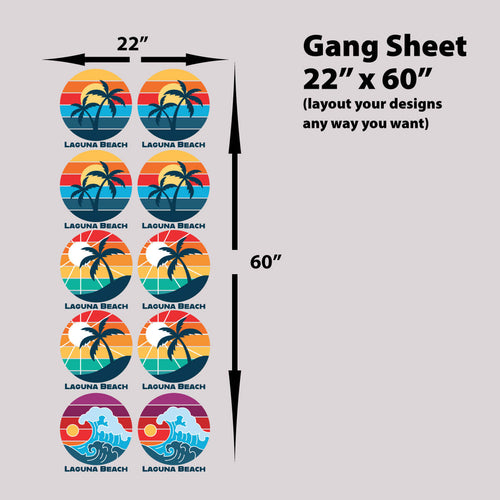
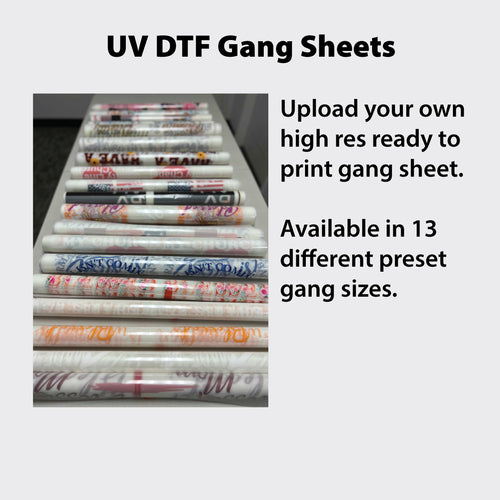
That’s why gang sheets matter. If you’re ordering custom dtf transfers ready to press and uploading each graphic separately, you’re often paying for wasted space, wasted setup decisions, and wasted time. A gang sheet lets you print multiple designs, sizes, or repeats on one sheet so every inch works harder.

Why layout affects profit
Poor nesting eats margin. A 2025 Printwear magazine survey found that 35% of DTF users waste 15% to 25% of their film due to inefficient nesting, and AI-driven gang sheet optimizers can improve material yield by over 20%.
That matters whether you’re selling ten shirts a week or handling contract work for other brands. If your artwork layout is loose, your costs climb even if the listed sheet price looks cheap.
Manual layout versus smart auto-building
Manual gang sheet building has always been doable. It’s also one of those jobs that looks simple until it starts eating your afternoon.
You open design software. You resize. You rotate. You nudge artwork around. You try to keep spacing safe. Then you realize one logo was built at the wrong size, another has a hidden background, and your sheet still has awkward dead zones.
A smart auto-builder changes that workflow. Instead of manually nesting every design, you upload the artwork and let the builder arrange it more efficiently. That’s the easiest way for a growing shop to stay consistent when order volume starts climbing.
For readers who want a deeper walkthrough on layouts and use cases, this guide on DTF gang sheets is useful.
If you’re still dragging every logo into place one at a time, you’re spending production time on a task software can handle faster.
What to put on one sheet
The strongest gang sheets usually mix practical order needs, not just repeated copies of one art file. A single sheet can hold front logos, full backs, sleeve prints, left chest marks, youth sizes, and test graphics for future listings.
Good gang sheet planning often looks like this:
- Repeat your core seller: Fit multiple copies of the design you know you’ll press soon.
- Add size variations: Include adult and youth versions without placing a second order.
- Use spare space for extras: Sleeve logos, neck labels, and pocket prints fit where large art leaves gaps.
- Batch future work: Add test graphics for upcoming launches if space allows.
An auto-build gang sheet builder becomes a cost-control tool, not just a convenience tool.
When hands-off service makes sense
Some orders don’t need more software time. If you’re juggling blanks, customer approvals, and shipping deadlines, a done-for-you layout option can be the better business decision.
That’s where Lion DTF’s Auto-build gang sheet builder is useful. It automates the layout side so small businesses can use sheet space more efficiently and spend less time arranging files manually. For shops that want no layout work at all, a “We Build a Gang Sheet for You” service can make sense when speed matters more than tinkering.
The bigger lesson is simple. Your gang sheet strategy should match your business model.
A practical profitability mindset
If you sell custom apparel, every order has three cost layers: artwork time, production cost, and fulfillment speed. Gang sheets improve all three when used well.
Think of them less like a print format and more like a quoting tool:
| Approach | Likely result |
|---|---|
| Upload every design separately | More time spent ordering, more wasted sheet area |
| Build sheets manually every time | Better control, but slower and easier to mess up |
| Use an auto-builder | Faster ordering and better material use |
| Use done-for-you layout help | Less control, but strong for busy shops and rush work |
A profitable shop doesn’t just print good transfers. It removes repetitive decisions. Gang sheets are one of the easiest places to do that.
Your Step by Step Guide to Pressing DTF Transfers
A small shop can lose profit fast at the heat press. One crooked placement, one rushed peel, or one shirt pressed with leftover moisture can turn a paid order into a reprint.
That is why pressing needs a repeatable routine. Ready-to-press transfers save production time up front, especially if you are already ordering smarter with an auto-builder, but the margin still gets protected at the press.
Start with a dry, flat garment
Set the garment on a clean platen and remove anything that can interfere with bonding. That means lint, wrinkles, moisture, and bulky seams sitting under the design area.
Pre-press before every application. A short pre-press flattens the print area and drives off moisture that causes edge lift later. On hoodies, fleece, and garments pulled from a stock room, this step matters even more.
Place the transfer like you plan to reorder it
Use reference points every time. Center from the collar, check left and right distance, and confirm the height before closing the press.
Do not rely on eye judgment for customer work. If a design sells more than once, write the placement down by garment style and size range. That one habit saves time on repeat orders and cuts waste because reorders stop starting from scratch.
Shop habit: Keep a simple placement log for every recurring design. Chest print height, sleeve distance, youth adjustments, all of it.
Use a tested baseline for heat, time, and pressure
Most ready-to-press DTF transfers apply well in a fairly tight range. A solid starting point is 160 to 175°C (320 to 347°F), medium pressure, and 12 to 15 seconds, followed by a hot peel and a short second press.
That is a baseline, not a law. Cotton usually gives you a wider margin for error. Polyester and coated garments need more attention because too much heat can mark the fabric even if the transfer itself bonds well. If you want a more detailed fabric-by-fabric reference, use this guide to heat press settings for DTF.
Lion DTF Heat Press Settings by Fabric
Use the chart below as your starting point, then test on the actual blank before running a full order.
| Fabric Type | Temperature | Time | Pressure |
|---|---|---|---|
| 100% Cotton | 280°F | 10 seconds | Medium |
| Polyester | 240 to 260°F | 7 to 10 seconds | Medium |
| Cotton polyester blends | 260 to 270°F | 7 to 10 seconds | Medium |
The chart keeps production moving, but your press still has the final say. Two machines set to the same number do not always deliver the same real platen temperature or pressure.
Peel with control
Beginners usually rush this part.
If the film is made for hot peel, peel while it is still in the proper window. Pull steadily, keep the angle low, and watch small details and outside corners first. If any part of the print starts lifting, stop, lay the film back down, and repress. Forcing the peel usually makes a small problem worse.
Finish with a second press
The transfer may look done after the first peel, but the second press improves the hand feel and helps lock in the bond.
Use a cover sheet if the finish calls for it, then press again for a few seconds within the supplier's recommended range. Do not add extra time just because you are unsure. Overpressing can flatten the print too much, add shine to the garment, or stress the adhesive.
What usually goes wrong
Most press problems come from a short list of mistakes:
- Not pre-pressing the garment: Moisture stays in the fabric and weakens adhesion.
- Uneven pressure across the platen: One side sticks, the other side lifts.
- Wrong peel timing: The film comes off before the adhesive has set correctly.
- Pressing longer to fix everything: Extra heat can create a second problem instead of solving the first.
- Skipping basic machine checks: Cold spots and bad pressure settings waste transfers.
Workflow affects profit. Ready-to-press transfers already cut print production time. A consistent pressing routine keeps those savings instead of giving them back through misprints, rework, and customer replacements.
Build a routine your team can repeat
Good shops do not leave pressing to memory. They standardize it.
A workable routine looks like this:
- Warm the press fully before the first garment.
- Pre-press the blank.
- Place the transfer using measured reference points.
- Press at your tested setting.
- Peel in the correct window.
- Apply the second press.
- Check the edges before stacking or packing.
If results change from one day to the next, inspect the press before blaming the transfer. Check platen temperature, pressure, and pad condition. Consistency at this stage is what turns ready-to-press DTF from a convenience product into a reliable production system for a small business.
Washing Instructions and Troubleshooting Common Issues
A lot of people talk about durability like it’s automatic. It isn’t.
DTF can last extremely well, but the result depends on two separate things. First, the transfer has to be applied correctly. Second, the finished garment has to be washed and handled like decorated apparel, not like a random gym rag thrown into the harshest cycle available.
Aftercare affects lifespan
An industry report noted that DTF adhesion can fail 20% to 30% faster on performance fabrics if powder curing and pressing protocols aren’t optimized for that material, as discussed by Stahls. That’s the part many sellers miss. Performance fabric isn’t the same as ring-spun cotton, and wash habits amplify any weakness in the original application.
So if you want long life from custom dtf transfers ready to press, don’t treat care instructions like filler text.
A practical aftercare standard:
- Wait before washing: Give the adhesive time to settle after pressing.
- Turn garments inside out: Reduce abrasion on the print.
- Use mild detergent: Harsh chemicals work against decorated garments.
- Avoid bleach: It’s rough on both print and fabric.
- Use lower drying heat when possible: High dryer heat adds stress over time.
- Don’t iron directly on the print: Turn inside out or avoid the design area.
For more detail on wear behavior and failure patterns, this explainer on whether DTF transfers crack is worth reviewing.
The press creates the bond. Washing habits either protect that bond or shorten its life.
Problem, cause, and fix
When something goes wrong, don’t guess. Match the symptom to the likely cause.
| Problem | Likely cause | Practical fix |
|---|---|---|
| Transfer won’t stick fully | Not enough heat, pressure, or pre-press | Recheck settings, remove moisture, repress correctly |
| Edges peel after washing | Weak initial bond or poor aftercare | Review press process and wash instructions |
| Design feels too stiff | Overpressing or heavy-handed finish press | Use proper press time and avoid unnecessary extra heat |
| Parts of design lift during peel | Uneven platen pressure or premature peel | Stop peeling, lay film back down, repress |
| Trouble on athletic fabric | Fabric-specific settings not optimized | Test on that material and adjust process before production |
Fabric choice matters more than many beginners think
Cotton is forgiving. Many polyester blends press well too. Performance fabrics are where operators need more discipline.
If a garment has stretch, coating, texture, or a slick athletic finish, run a test piece first. That’s not wasted time. It’s cheaper than remaking an order after the first wash complaint.
Build a customer-safe handoff
If you sell to schools, teams, local businesses, or online buyers, include a care card with every order. Keep it short. Make it readable. Most customers won’t remember verbal instructions.
Use language they’ll follow:
- Wash inside out
- Use mild detergent
- Avoid bleach
- Dry on lower heat
- Don’t iron directly on design
That’s often enough to prevent avoidable complaints.
Don’t blame the transfer for every failure
Sometimes the transfer isn’t the problem. The blank may be inconsistent. The press may be cooler on one edge. The operator may have rushed peeling. The garment may have gone straight into a harsh wash cycle the same day it was pressed.
Troubleshooting gets easier when you stop treating every issue as random. Most DTF failures leave clues. If you learn to read them, your reprint rate drops fast.
Making It Official with Lion DTF
A workable DTF business comes down to three things. Send clean files, use sheet space wisely, and press with discipline.
When those three parts are handled well, ready-to-press transfers give a small business room to operate like a much bigger shop. You don’t need to own every piece of production equipment. You need a dependable process and a supplier setup that doesn’t slow you down.
Customer confidence in this model is easy to understand. Providers in the market, including Lion DTF and others, show thousands of verified 5-star reviews, reflecting strong satisfaction with print quality, color accuracy, and ease of application across large numbers of orders, based on the Etsy listing review summary.
That matters because reliability isn’t just about whether the transfer looks good once. It’s about whether your workflow stays stable when order volume picks up.
A few things make the process easier for growing sellers:
- Fast turnaround: Useful when customer orders don’t arrive on a relaxed schedule.
- Ready-to-press production: You skip printing, powdering, and curing in-house.
- Gang sheet options: Better control over order economics.
- Support channels: Helpful when a new operator needs a file or pressing question answered quickly.
If you’re placing a first order, keep it simple. Start with one or two proven designs, use clean artwork, choose garments you already know how to press, and order enough transfers to learn the workflow without overcommitting. That approach keeps your first run practical and profitable.
Frequently Asked Questions About DTF Transfers
Can I use a home iron instead of a heat press
No, not if you want consistent results.
A home iron doesn’t deliver even pressure across the full design, and it usually doesn’t hold temperature with the control needed for DTF adhesive. You might get partial bonding on a small graphic, but that’s not a dependable production method.
What’s the difference between hot peel and cold peel
The difference is timing.
With hot peel, you remove the carrier shortly after pressing while it’s still in the proper peel window. With cold peel, you wait until the transfer cools before removing the film. You must follow the transfer’s intended peel method. Using the wrong peel timing can ruin an otherwise good press.
How should I store unused transfers
Store them flat in a cool, dry place away from direct sunlight and excess humidity.
Don’t crease them. Don’t leave them bent under heavy stock. If transfers sit in poor storage conditions, application becomes less predictable.
What fabrics should I be careful with
Be cautious with performance fabrics, coated materials, heavily textured surfaces, and anything with stretch or specialty finishes.
That doesn’t mean DTF can’t work on them. It means they deserve a test press before you run a customer order. Standard cotton and common blends are usually much more forgiving.
Do I need a second press
Yes, in most real production settings it’s a smart move.
The second press helps finish the transfer cleanly and supports long-term wear. Skipping it may save a few seconds, but it often creates inconsistency across jobs.
Is ready-to-press DTF a good option for small businesses
Yes, especially if you want full-color graphics without the setup burden of older methods.
It works well for short runs, online sellers, local shops, event merch, and branded apparel programs where flexibility matters as much as print quality.
If you’re ready to turn custom apparel into a cleaner, faster workflow, start with Lion DTF Transfers. Upload clean artwork, use the Auto-build gang sheet builder to reduce wasted space, and order ready-to-press transfers that fit the way a small business operates.