


You've got a design ready, a deadline creeping up, and no patience for learning five decoration methods the hard way. That's where most apparel projects get stuck. The art might be strong, but the result still goes sideways if the print method doesn't match the job.
That mismatch happens all the time. A small brand orders a method built for bulk when they only needed flexibility. A school group picks the cheapest-looking option for uniforms that need to hold up. A creator sends a low-res file, then blames the printer when the front graphic looks soft. In custom apparel printing, the method is part of the product.
That's also why this space keeps growing. The global custom T-shirt printing market reached USD 5.16 billion in 2024 and is projected to hit USD 9.82 billion by 2030, with an 11.5% CAGR from 2025 to 2030. There's a lot of demand, but demand alone doesn't make orders come out right.
Your Guide to Custom Apparel Printing
Most buyers don't need more jargon. They need a clean decision. If you're launching merch, outfitting staff, testing designs, or filling a team order, the essential question isn't “What can this machine do?” It's “Which method helps me make money, avoid waste, and get a result people will wear?”
That answer changes based on volume, artwork, garment type, and how much flexibility you need after the order starts. A design with flat spot colors on a large team order behaves differently than a multicolor graphic spread across cotton tees, polyester hoodies, and oversized blanks. Same art. Different business problem.
There's also more than one market inside custom apparel printing. On one side, you've got entrepreneurs testing ideas one design at a time. On the other, you've got established buyers placing repeat runs and watching consistency, placement, and turnaround. A broader benchmark puts the custom apparel market at about USD 54.9 billion in 2025, projected to reach USD 145.9 billion by 2033, while the U.S. custom screen-printing industry included 15,427 businesses in 2025 and was forecast to reach USD 12.8 billion with 5.9% CAGR growth from 2020 to 2025.
Practical rule: The right print method isn't the one with the nicest sales pitch. It's the one that fits your order size, artwork style, garment mix, and reorder plan.
The rest of the job gets easier once that part is right.
A Detailed Comparison of Printing Methods
Some methods save money at scale. Some save bad artwork from getting worse. Some make mixed-fabric orders much easier to manage. If you treat all decoration methods like they're interchangeable, you'll pay for it in setup time, reprints, or disappointed customers.
Screen printing
Screen printing is the shop classic. The process involves pushing ink through a stencil. Each color usually needs its own screen, so setup matters a lot.
Where it works:
- Bulk runs: Great when you need a lot of pieces with the same artwork.
- Simple graphics: Strong for logos, text, and bold art with limited color changes.
- Repeat orders: Once art is dialed in, reruns are predictable.
Where it doesn't:
- Short runs: Setup can feel heavy if you only need a handful.
- Highly detailed art: Fine gradients and photo-style files can become more work than they're worth.
- Mixed garments: Fabric changes can complicate the job.
The upside is consistency and a familiar look customers trust. The downside is that every design change has a cost in labor and setup thinking.
Direct-to-garment
DTG works a lot like an inkjet printer for fabric. The machine prints directly onto the garment instead of creating a transfer first.
This method shines when the art has many colors, soft blends, or painterly detail. If you sell one-off designs, samples, or small runs where each shirt may vary, DTG is often a clean fit. It also appeals to buyers who want a softer printed feel on the right garment.
The catch is garment dependence. DTG tends to be more selective about fabric and blank quality than buyers expect. It can look excellent, but it usually rewards shops and customers who stay disciplined about garment choice, pretreatment, and artwork prep.
Direct-to-film
DTF sits in a useful middle ground. The art is printed onto film, adhesive powder is added, and the transfer is cured before it's pressed to the garment. Independent demonstrations describe curing around 110°C, then pressing at roughly 300°F (about 150°C) for about 50 seconds. That sequence matters because the adhesive is already formed on the film before the garment press stage.
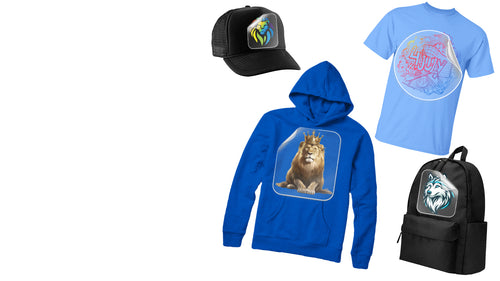
In practical terms, DTF is often the method buyers choose when they need one design to work across cotton, polyester, and blends without rebuilding the whole production plan. That flexibility is why many shops use it for mixed orders, fast-moving merch tests, and transfer-based workflows.
It also works well when you want to print now and press later. That's useful for contract decorators, Etsy sellers, event merch, and small brands that don't want finished inventory sitting on shelves.
For a deeper side-by-side look at the trade-offs, this breakdown of DTF vs DTG printing is a helpful companion.
If your business changes garments often but wants the artwork to stay consistent, DTF usually creates fewer production headaches than methods that depend heavily on one fabric profile.
Heat transfer vinyl
HTV is cut material, not printed ink. A cutter shapes the design, weeds away the excess, and the final shape gets heat pressed onto the garment.
It's useful for names, numbers, simple text, and jobs where personalization matters more than artwork complexity. Sports jerseys, staff names, and short-run utility garments are common fits. It can also be a solid tool for internal use if you're decorating in-house and need something straightforward.
Its limitation is visual complexity. Multi-part layering gets tedious fast. Large designs can feel heavy. Fine detail can become a production and weeding problem long before press time.
Embroidery
Embroidery isn't printing, but it belongs in this comparison because buyers often choose between thread and ink for the same order. It stitches the design into the garment, which changes both the look and the use case.
Best use cases include polos, hats, jackets, quarter-zips, and workwear where the goal is a polished logo instead of a large graphic. Embroidery brings texture and permanence, but it doesn't behave well with every image. Small logos usually translate better than dense illustrations.
If your design depends on gradients, tiny distressed elements, or poster-style artwork, embroidery is the wrong fight. If your goal is clean branding on structured apparel, it's often the right one.
Printing method comparison
| Method | Best For | Durability | Cost (Low Vol) | Cost (High Vol) | Fabric Compatibility |
|---|---|---|---|---|---|
| Screen Printing | Bulk orders with simple art | High | Higher setup burden | Strong value | Varies by garment and ink approach |
| DTG | Detailed full-color art on short runs | Good with proper care | Practical for small runs | Less efficient at scale | More selective |
| DTF | Mixed-fabric orders, transfers, flexible production | Good to high with proper application | Practical | Practical | Strong across cotton, polyester, and blends |
| HTV | Names, numbers, simple personalization | Good | Practical for simple jobs | Less efficient for large graphic runs | Broad, depending on material |
| Embroidery | Polos, hats, jackets, workwear branding | High | Moderate | Moderate | Best on suitable structured garments |
What works by business goal
A lot of print buyers compare methods by machine type. That's not the best way to buy. Compare them by business goal instead.
If you need margin on volume, screen printing deserves a hard look. If you're testing artwork, managing many SKUs, or selling short runs, digital methods remove friction. If your order includes different blanks in one batch, DTF usually makes life easier than methods that get touchy when fabric changes.
Use these filters before you commit:
- Order size: Small run, test order, or volume play?
- Artwork style: Flat logo, photo detail, names and numbers, or stitched branding?
- Garment mix: One blank, or several fabric types in the same order?
- Inventory plan: Finished goods now, or transfers you can apply later?
- Brand feel: Soft print, bold ink look, textured thread, or utility personalization?
Most ordering mistakes come from choosing a method for the artwork alone. Good shops choose for the business model behind the artwork.
How to Choose the Right Print Method for Your Project
You can lose money with a good-looking shirt.
A 24-piece launch drop, a 500-shirt fundraiser, and a 60-piece staff uniform order may all use the same artwork, but they should not be produced the same way. The right choice depends on what you are trying to accomplish with the order. Margin, speed, reorders, garment variety, and brand presentation matter more than chasing the newest machine.
For starting a brand
Small brands usually need flexibility first. If you are testing demand, adding new colorways, or offering the same design on tees and hoodies, pick a method that lets you stay light on inventory and avoid large setup costs.
DTF often fits that model well. You can apply the same transfer across different blanks, produce in smaller batches, and restock without rebuilding the whole job. DTG can also work for early brand testing, especially when the art has a softer retail look and the order stays centered on compatible garments.
The artwork file matters here too. If you are still dialing in production, clean files reduce waste and back-and-forth. Use the best file format for apparel printing for your shop's workflow before you approve a run.

For event orders and team apparel
Large group orders usually reward consistency. If everyone is wearing the same front print for one event, one team, or one campaign, screen printing is often the cleanest business decision because setup gets spread across more pieces.
That does not mean it wins every time. If the order includes multiple names, changing rosters, or several garment types in one batch, the labor picture changes fast. In those cases, a flexible method can protect turnaround time even if the per-piece math looks different on paper.
Embroidery belongs in this category too, but for a different reason. Polos, jackets, hats, and workwear often need a more permanent, uniform presentation. A stitched logo usually reads better on those garments than a large printed graphic.
For artwork with lots of detail
Some designs sell because of the image itself. Album-style artwork, gradients, shaded illustrations, and full-color graphics need a method that can hold detail without forcing you to simplify the art.
DTG and DTF are usually the first methods to price out for that kind of job. The decision comes down to the garment, the hand feel you want, and how you plan to fulfill the order. Direct printing can make sense for stable garment programs. Transfers can make sense when blanks change or you want to apply graphics later.
Protect the part of the order that is hardest to fix. If your risk is overbuying inventory, choose flexibility. If your risk is missing margin on a large confirmed order, choose the method built for volume.
For mixed blanks and oversized garments
Buyers can find this aspect challenging. A graphic that feels balanced on a standard retail tee can look too small on an oversized heavyweight shirt or too high on a roomy hoodie.
For mixed-blank orders, do not choose based only on how the sample looks on one shirt. Choose based on how the full order will be fulfilled. If the job includes standard tees, oversized styles, fleece, and blends, production flexibility often matters more than getting the theoretically ideal print method for one garment and compromising the rest of the batch.
That is one reason DTF shows up so often in real-world mixed orders. It handles variety well and keeps the job easier to manage.
A simple buying filter
Use these five questions before you ask for pricing:
- Is this a test run or a proven seller?
- How many pieces am I ordering in this batch?
- Will the design go on one garment style or several?
- Is the art simple, or does it depend on fine detail and color transitions?
- Do I need merch appeal, uniform polish, or personalized names and numbers?
Answer those accurately and the right print method usually becomes clear. Good ordering decisions start with the business goal, then match the production method to it.
Preparing Your Artwork for Professional Results
Most print problems start before production. The file comes in too small, the background wasn't removed, the text isn't outlined, or the mockup looked bigger on screen than it will on the shirt. Shops can fix some of that. They can't fix all of it.
The essential rule is 300 DPI at final print size. That means if the front graphic is meant to print large, build it at the size it will print. Apparel guides note that 300 DPI at final size is the practical benchmark for sharp fabric printing, and artwork made at 72 DPI then enlarged often looks soft or blurry. PNG and TIFF are also preferred in many workflows because they preserve transparency.
The file setup rules that matter

- Build at actual output size: Don't design a small web graphic and expect it to survive enlargement.
- Keep the background transparent: A white box around the design is one of the most common avoidable mistakes.
- Use clean export formats: PNG or TIFF are common choices when transparency matters.
- Convert text safely: If you're handing off finished art, outline the fonts so substitutions don't change the design.
- Check edge detail: Thin lines, distressed textures, and tiny elements need special attention before they ever hit press.
If you need a practical breakdown of file types for print production, this guide on what file format is best for printing helps sort out where raster files work and where vector files are safer.
Vector versus raster in plain English
Raster files are made of pixels. Vectors are made of paths. If your design is a logo, text lockup, or simple illustration, vector is usually the cleaner master file because it scales without breaking apart.
If your art is photographic or heavily textured, raster may be the right format, but then resolution becomes critical. The mistake isn't using raster. The mistake is using low-resolution raster.
Clean art beats clever art. A simple logo with solid edges usually prints better than a crowded design loaded with effects that looked good only on a backlit screen.
Placement matters more on larger garments
Oversized blanks need their own placement logic. Don't assume the same front graphic dimensions that worked on a retail-fit tee will look intentional on a much wider body. On bigger garments, standard placements can drift upward visually or feel under-scaled.
Use these checks before approval:
- Measure the garment width: Wider body, wider visual field.
- Review the mockup at full scale: Not just on a tiny screen preview.
- Respect negative space: Bigger shirt doesn't always mean “fill everything.”
- Consider back placement: On oversized styles, larger back prints often look more natural than forcing a small front hit to carry the whole design.
Good production starts with honest file prep. Bad file prep creates expensive optimism.
A Step-by-Step Guide to Placing Your Order
You approve a mockup on Tuesday, need shirts in hand by next week, and then the actual problems show up. The blank is out of stock, the art is sized for the wrong placement, and the print method that looked cheap at 12 pieces becomes expensive at 150. A good order process prevents that. It starts by tying the method to the business goal, the quantity, and the timeline before anyone sends an invoice.

Step 1 Choose the provider based on the job
Start with the order shape. A fundraiser with 300 identical tees needs a different shop than a brand launch with 24 mixed garments and six designs. Shops tend to have a lane. Some run screen printing efficiently at volume. Some are better for embroidery programs and repeat uniform orders. Others are built around transfer workflows that suit small batches, test drops, and mixed apparel.
Choose the shop that matches how you plan to sell or distribute the order. If you need transfers instead of finished garments, review a supplier that specializes in that process, including where to order DTF transfers.
Step 2 Confirm the garment strategy first
The blank drives more decisions than many buyers expect. Fabric, cut, color, and garment type affect print feel, placement, and how polished the final piece looks in photos or on a sales table.
Oversized garments need special handling. Standard front graphics often read too small or sit awkwardly on a wider body. Scale and placement should be approved for the actual garment, not copied from a regular retail-fit tee. If your order mixes tees, hoodies, and totes, DTF can make sense because one workflow can cover multiple items without forcing you into separate production plans.
Step 3 Get the artwork and layout right
Ordering gets easier when the files are organized before upload. Name placements clearly. Keep front, back, sleeve, and neck art separate. Send final print sizes instead of asking the shop to guess from a mockup.
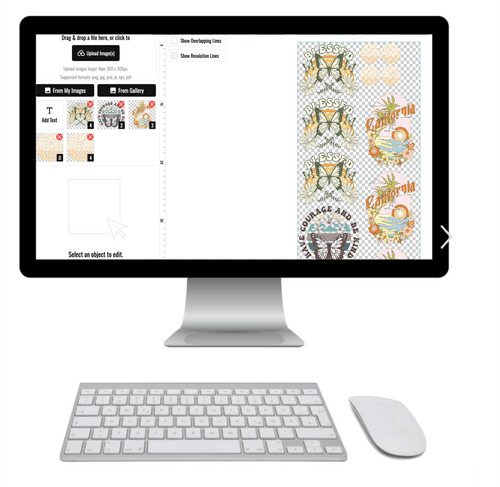
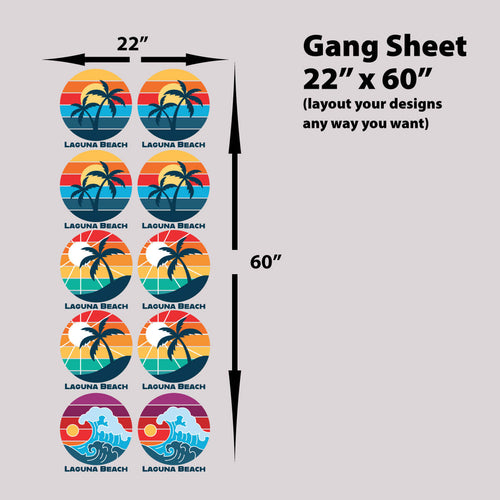
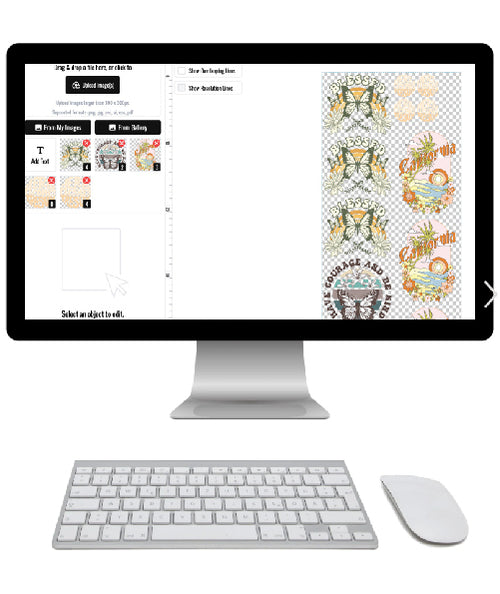
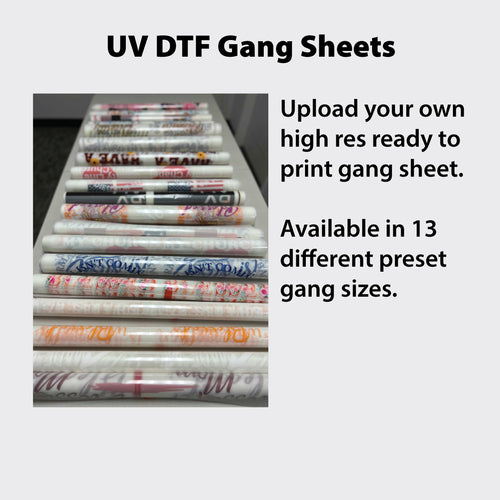
For DTF transfer orders, gang sheets are one of the clearest ways to control cost. A gang sheet places multiple designs on one sheet so you waste less film and reduce setup time. Auto-build gang sheet tools can speed that up by arranging the logos and placements for you instead of making you build the layout piece by piece. Lion DTF Transfers offers that upload-based ordering workflow for transfers and gang sheets.
Use this checkpoint before submission:
- Match final size to the garment: Approve the print dimensions, not just the art file.
- Label every placement: Front, back, sleeve, and tag art should be impossible to confuse.
- Group repeat items early: Left chest logos, youth sizes, and neck labels should be planned before proofing.
- Build for cost control: A gang sheet should reduce waste and simplify production.
Step 4 Review the proof like a producer
Proof approval is where expensive errors either get caught or get locked in. Check spelling, garment color, print size, placement, and quantity breakdowns. If the order includes multiple garment styles, make sure the proof reflects each one. A left chest print that works on a tee may need adjustment on a zip hoodie or pocketed item.
One more rule helps. Never approve a proof just because the artwork looks good on screen. Approve it because the job details match what you need to sell, hand out, or reorder.
This walkthrough gives a useful visual sense of the process and what to watch for before production approval.
Step 5 Think past the first order
A clean first order saves time on the second one. Keep approved art, placement notes, garment specs, ink or transfer choices, and vendor confirmations in one folder. Reorders go faster when the decisions are already documented.
The easiest order you'll ever place is the reorder you prepared for on the first run.
That matters for school programs, merch brands, event series, and any business that expects to buy again. Good records turn a custom order into a repeatable product.
Frequently Asked Questions About Custom Apparel
How durable are the different print methods?
Durability depends on both the method and the execution. Screen printing and embroidery are commonly chosen when buyers want a long-wearing result on the right garment. DTG and DTF can also hold up well when the art is prepared correctly, the transfer or print is applied properly, and the garment is cared for with some common sense. Bad application ruins good materials faster than buyers expect.
For care, wash decorated garments inside out when possible, avoid harsh treatment, and skip unnecessary heat. The goal is simple. Reduce friction on the decorated area.
Can you print over zippers, seams, or pockets?
Sometimes, but it's rarely the first choice. Raised surfaces interrupt pressure and contact, which can affect print quality and adhesion. If your design crosses seams, plackets, or pockets, ask the printer whether the artwork should be resized, relocated, or split. On garments with a lot of structure, embroidery or a smaller placement may be the cleaner answer.
What is the minimum order quantity?
That depends on the method and the provider. Screen printing often makes more sense once quantity is high enough to justify setup. DTG, DTF, HTV, and embroidery can be workable for much smaller runs depending on the job. If you only need a test run, say that upfront. Shops can usually steer you toward a workflow that fits.
How does color matching work for logos?
Color matching is easiest when the art starts clean. Flat logo colors are simpler to control than low-res screenshots or copied web graphics. If exact brand color matters, tell the shop before production starts and provide the clearest possible source art. Don't wait until the proof stage to mention that a specific blue has to match existing signage, uniforms, or packaging.
What's the best method for one design across different garment types?
If you're decorating cotton tees, polyester performance shirts, and blends in one project, DTF is often a practical option because the same transfer-based workflow can adapt across that garment mix more easily than some alternatives. That makes it useful for team stores, mixed merch lines, and orders where blank selection may change.
Why does a print look too small on an oversized shirt?
Because placement isn't only about centering. Scale changes with garment width. A print that feels balanced on a standard tee can look visually undersized or too high on an oversized blank. Review placement specifically for that garment style instead of reusing standard dimensions automatically.
If you need transfer-based production for custom apparel printing, Lion DTF Transfers is one option to consider for upload-based DTF orders, gang sheets, and an Auto-build gang sheet builder that can simplify layout and reduce material waste on mixed-design sheets.