



You've probably had this happen. Two blank crewneck sweaters look nearly identical on the table, both feel soft enough, both claim to be print-friendly, and both seem like safe bets for DTF. One comes off the press looking crisp, saturated, and retail-ready. The other starts showing edge lift, dull color, or a plasticky finish that tells on itself immediately.
That gap usually isn't caused by the artwork. It starts with the blank.
Most bad crewneck jobs are decided before the press heats up. The wrong face fabric, the wrong fleece construction, uneven prep, or sloppy sheet layout will cost you more than the transfer itself. Small shops feel this fast because every spoiled sweatshirt eats margin, time, and customer trust.
That matters even more in a category this large. The global blank apparel market was valued at USD 15.18 billion in 2024 and is projected to grow to USD 24.17 billion by 2034, which shows how much demand sits behind custom apparel and decorated blanks right now, according to Polaris Market Research on the blank apparel market.
The Secret to Flawless Custom Crewnecks
A clean DTF result on blank crewneck sweaters comes from three decisions working together. Fabric surface. Prepress discipline. Press control. Miss one of them and the whole job gets harder.
A lot of decorators still buy by blend first and only by blend. They ask whether a crewneck is cotton or poly, or whether it's heavyweight enough, and stop there. That's not enough for dependable DTF work. Two sweatshirts can share a similar blend and weight but behave very differently because the outer face isn't the same.

What separates pro results
The best print shops treat blank crewneck sweaters like a substrate, not just a garment. They check the outer face, watch how the fleece reacts under heat, and choose designs that match the garment's hand and finish. That's why one shop gets smooth, durable prints on a basic school order while another gets callbacks from the same kind of job.
Three things consistently separate strong results from weak ones:
- Surface first: The outside face of the fleece matters more than most decorators think.
- Prep before pressing: Lint, moisture, seams, and crooked placement all show up in the final print.
- Consistency over guesswork: Repeating a known setup beats chasing settings mid-run.
If a crewneck needs “extra pressing tricks” just to look acceptable, it's usually the wrong blank for the job.
Where most mistakes start
The expensive mistake is assuming all soft fleece is decorator-friendly. Some blanks feel great in hand and still fight DTF because the print surface isn't right. Others press beautifully but don't fit the customer's brand because the body is too boxy, too light, or too cheap-looking.
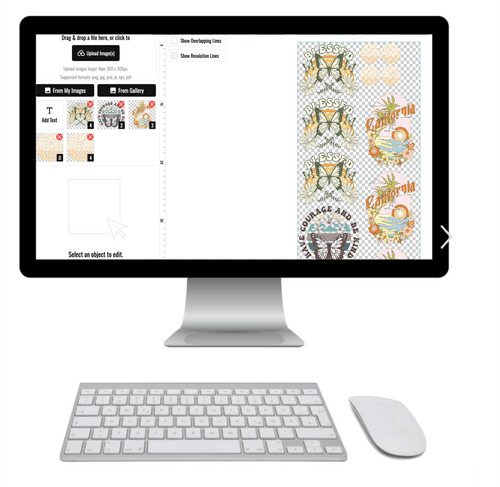
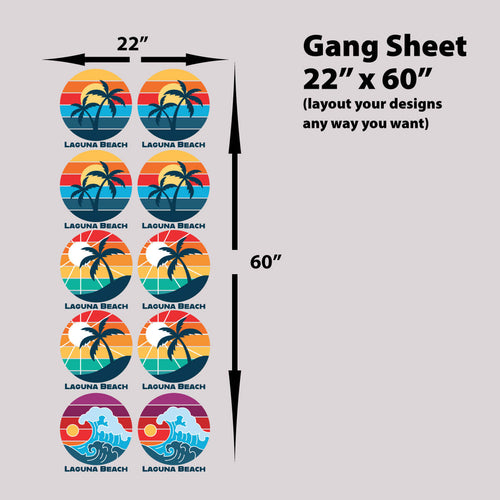
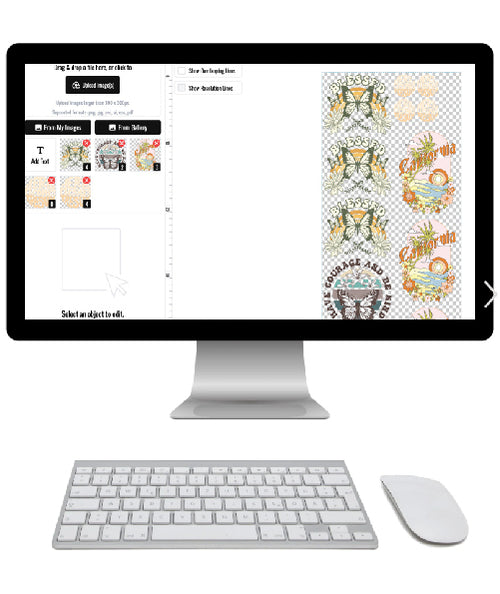
The fix is simple, but it requires more discipline than most beginners expect. Read the spec sheet closely. Test a single blank before you commit. Build your gang sheets with production in mind, not just artwork in mind. Use your Auto-build gang sheet builder when you want a faster, more cost-effective way to arrange multiple logos, left chest prints, sleeve hits, and full fronts without wasting film.
Choosing Your Canvas Fabric Weight and Color
A common approach is to start with blend percentages. Good decorators start with the face fabric.
That's the detail that decides whether a transfer bonds cleanly, stays flexible, and survives real wear. According to Rene Bassett's guide to blank crewneck sweatshirts, crewnecks with a 100% cotton face provide the ideal surface for hot-peel DTF ink bonding, while poly-faced fleece can lead to ink flaking after 20-30 washes. That one detail explains a lot of “mystery failures” that get blamed on pressure or artwork.

Cotton-faced vs poly-faced fleece
A sweatshirt can be blended on the inside and still print beautifully if the outside face is cotton. That's why spec sheets matter more than broad marketing language like “super soft” or “premium fleece.”
Here's the practical difference:
| Fabric surface | What usually happens in DTF | Best use |
|---|---|---|
| 100% cotton face | Cleaner ink bonding, sharper edges, better long-term wash performance | Premium retail prints, detailed graphics, hot-peel transfers |
| Poly-faced fleece | Higher risk of adhesion inconsistency and flaking over time | Safer for jobs where DTF isn't the main decoration method |
| Balanced blend with decent print face | Often workable, but finish depends on the actual outer surface | Budget runs, school orders, staff apparel |
A lot of new shops buy based on the inside fleece feel. That's backward. Your transfer never bonds to the brushed inside. It bonds to the outside face.
Practical rule: If the product page doesn't clearly say the face is cotton, don't assume it is.
If you want a broader look at compatible materials, this breakdown of fabrics that work with DTF transfers is a useful reference point.
Weight matters, but not the way people think
Fabric weight affects hand feel, drape, heat response, and the final retail impression. It doesn't automatically tell you whether the surface is good for DTF.
A heavier crewneck can still print poorly if the face is wrong. A mid-weight blank can produce excellent results if the surface is smooth and stable under heat. Shops that chase only heavyweight fleece often end up with bulkier garments that need more careful pressure management around seams and collars.
Use weight as a production and brand decision:
- Lighter or mid-weight fleece: Easier for general merch, easier to wear indoors, often simpler for routine production runs.
- Heavier fleece: Better for premium winter drops and oversized streetwear looks, but it can require more attention to platen pressure and seam clearance.
- Soft hand fabrics: Great when the face is clean. Risky when softness comes from a polyester-forward outer surface.
Blend trade-offs that actually matter
The blend still matters. It just matters after the face.
A 50/50 sweatshirt usually gives you less shrink concern and a stable, easy-wearing body. A 70/30 or higher-cotton-feel option can give you a nicer print surface and a softer retail finish if the outer face supports it. The right answer depends on whether you're building promo apparel, school spirit wear, online merch, or premium branded product.
Consider the trade-offs this way:
- For event and promo work: Balanced blends are often easier to source consistently and easier on the budget.
- For online brands: Cotton-faced fleece usually gives a cleaner print and better perceived quality.
- For repeat corporate orders: Consistency across dye lots, fit, and stock depth matters just as much as printability.
Color selection changes the final print
Blank crewneck sweaters don't all “take color” the same way visually, even if the transfer adheres well. Garment color changes how bright the artwork reads, how much the print stands out, and how noticeable the hand of the transfer feels.
A few practical habits help:
- Choose contrast on purpose: Deep navy, black, charcoal, forest, and other dark bodies can make bright artwork pop. Softer pigment shades work better with vintage, distressed, or muted art.
- Avoid forcing every design onto every color: A design that looks sharp on athletic grey may look muddy on sand or olive.
- Watch for lint and dye migration concerns during testing: The garment color may be perfect, but the surface still needs to behave under heat.
For premium custom work, color choice should support the design style, not just the customer's favorite shade.
Finding the Perfect Fit and Sourcing Suppliers
A crewneck can pass the wash test, hold a transfer, and still become a reorder problem the minute people try it on. That usually happens when the fit is off, the collar collapses after a few wears, or the outside face looked printable on paper but fought the transfer on press.
Fit and sourcing need to be judged together. A good supplier gives you more than a low unit cost. They give you a body your customer will want to wear again, and a fabric face that prints predictably. For DTF, that outer surface matters more than many buyers realize. A cotton-faced crewneck usually gives you a cleaner-looking print and a more natural finish than a polyester-faced one, even when the overall blend sounds similar.
Use market benchmarks to narrow the field
The category is large enough that guessing wastes money. According to SkyQuest's hoodies and sweatshirt market report, the global hoodies and sweatshirts market was valued at USD 211.45 billion in 2024 and is projected to reach USD 366.45 billion by 2033, with a CAGR of 6.3% during 2026–2033. The same report describes a common mid-weight crewneck spec around 8.8 oz (298 GSM) in a 70/30 cotton/poly blend, with typical pricing between $9.94 and $22 per unit.
Use that as a screening range, not a buying rule. If a blank comes in unusually cheap, check the face fabric, rib recovery, and stitching before you build a job around it. If it sits at the high end, the higher price should show up in better fit, better finish, and a print surface that does not look shiny or overly synthetic after pressing.
A reliable vendor list saves time here. This guide to wholesale blank apparel suppliers for repeatable inventory and brand comparison is useful if you're comparing stock depth, reorder consistency, and how many usable crewneck options a supplier keeps available.
Two benchmark styles worth knowing
Two styles come up often because they serve very different jobs.
Gildan 18000 Heavy Blend is a standard workhorse for schools, staff programs, team apparel, and larger-volume orders. It is a common benchmark in the industry that other blanks are compared against. The trade-off is the face. Some runs can be perfectly serviceable for DTF, but the print surface is not always as clean or retail-looking as a better cotton-faced option.
Comfort Colors 1566 sits in the higher part of the same pricing window noted earlier. Shops pick it when the customer wants a softer hand, a more broken-in feel, and a body that reads less like promo apparel. That does not automatically make it the better choice for every order. It usually makes more sense when the client is selling merch, building a brand, or cares how the sweatshirt feels the first time it comes out of the bag.
A cheap blank can make a good transfer look temporary. A better blank makes the same artwork look intentional.
What to check before placing the order
Do not stop at the blend line. Ask for the details that affect both print quality and customer complaints.
- Fit profile: Classic, retail, and oversized cuts all sell differently. Match the body to the customer, not your personal preference.
- Outside face: Confirm whether the print side is cotton-faced or polyester-faced. That one detail can change how sharp the transfer looks and how the finished print feels.
- Stock stability: Core colors and size runs need to stay available if the order turns into a repeat.
- Construction: Rib firmness, collar shape, side seams or tubular construction, and cuff recovery all affect perceived quality.
- Color consistency: Reorders should land close enough that a second batch does not look like a substitute garment.
For larger programs, buying closer to the manufacturer can help with consistency. For mixed-size runs, short lead times, and testing several bodies before you commit, established wholesalers are usually the better call.
Prepping Designs and Gang Sheets for Production
A bad gang sheet can waste a good sweatshirt. That's the part a lot of new decorators learn the hard way.
Clean production starts on the screen, not on the platen. If your files are sloppy, your spacing is careless, or your layout ignores the physical garment, you'll lose time cutting, aligning, and repressing jobs that should have moved smoothly.

Build the file for production, not just approval
A mockup can look great and still be a poor production file. Before you upload anything, check the basics that reduce preventable errors:
- Use transparent-background artwork: That keeps trimming simple and avoids surprise boxes around the design.
- Keep edges clean: Stray pixels and rough outlines show up fast on fleece.
- Match art size to garment size: Left chest art, sleeve hits, and oversized fronts should be sized intentionally, not scaled at the last minute.
- Group repeat graphics together: If you're producing school logos, event sponsors, or multiple chest marks, keep them organized for faster cutting.
The smart move is laying out gang sheets based on production flow. Put left chests together. Keep sleeve prints grouped. Separate full-fronts from tiny tag prints so your cutter isn't chasing fragments all over the film.
Why the garment still affects the sheet
The blank matters here too. According to Three Layer's crewneck buying guide, an 8.8 oz (298 GSM) midweight crewneck with a 70% cotton and 30% polyester blend is ideal for high-volume gang sheet applications because it absorbs heat evenly without distortion. That makes these mid-weight blanks easier to run consistently when the order includes multiple placements and repeated logos.
That's where your Auto-build gang sheet builder earns its place. It makes layout easier, reduces wasted film, and helps keep jobs cost effective when you're combining multiple designs on the same sheet. For small shops, that matters because material waste usually comes from bad arrangement, not bad printing.
The cheapest gang sheet is often the one you don't have to reorder because the first one was laid out correctly.
A production-first workflow
A practical routine keeps gang sheet jobs from getting messy:
-
Sort by placement first
Separate left chest, sleeve, full-front, and back prints before you upload anything. -
Build by garment family
Keep the same blank style together when possible. Similar fleece reacts more predictably in a batch. -
Leave yourself cutting room
Don't crowd the sheet so tightly that trimming slows everything down. -
Label internally before upload
If a sheet contains school logos, staff names, and sponsor art, make sure your team can identify each block quickly. -
Test one press before full production
A single strike-off on the actual blank can save the whole run.
Good gang sheet habits don't just save film. They save labor, reduce mix-ups, and keep your press running instead of stopping every few minutes for corrections.
The Perfect Press Settings and Troubleshooting
Even the right blank crewneck sweaters can fail if the press work is sloppy. DTF rewards consistency. It also exposes shortcuts fast.
The most reliable crews don't chase settings every few garments. They dial in one tested setup for the specific blank, pressure-check the press, and keep seams, collars, and platen coverage under control. If the garment isn't sitting flat, your transfer won't either.
Start with a disciplined pressing routine
The common baseline: 260-280°F, 10 seconds, and medium-firm pressure. Treat that as a starting point, then test on the actual blank and follow the transfer's peel instructions.
A dependable routine looks like this:
- Pre-press the garment: Remove moisture and flatten the print area.
- Check seam clearance: Crewnecks have collars and rib transitions that can throw pressure off.
- Position on a flat zone: Don't let the design bridge over a seam or thick rib.
- Press with consistent pressure: Uneven pressure creates patchy adhesion and inconsistent gloss.
- Peel as instructed: Hot-peel transfers need confidence and timing. Hesitation can affect the finish.
- Finish press if needed: A final press with the right cover sheet can improve hand and lock in the result.
For a more detailed setup reference, use this guide to heat press settings for DTF.
A quick visual demo helps if you're training staff or checking your own workflow:
Why the Gildan 18000 keeps showing up in shops
Some garments become standards because they remove variables. According to Maggie Frame Store's guide to blank crewneck sweatshirts, the Gildan 18000 Heavy Blend supports consistent DTF color accuracy across 100+ wash cycles when pressed correctly, and its construction keeps shrinkage under 3%. That kind of predictability is why so many print shops keep it in rotation.
It's not the only printable crewneck, but it's a useful benchmark. If your transfer looks bad on a blank with a known production track record, the problem usually sits in setup, not in the garment.
Common problems and fixes
If the print looks patchy: Check platen pressure first. Uneven contact causes more failures than temperature drift.
If the fabric scorches or gets shiny: Your heat is too aggressive for that fleece face, or you're over pressing. Reduce dwell or protect the surface better.
If the transfer lifts at the edges: Recheck the face fabric, then verify that the garment was pre-pressed and lint-free before application.
If the print feels too plastic: The artwork may be carrying too much coverage for the garment, or the final press is too heavy. Match design style to the sweatshirt.
Use a short troubleshooting checklist on live jobs:
- Lift after peel: Revisit pressure and garment surface.
- Dull print: Check whether the fleece face is interfering with clean bonding.
- Crooked chest print: Align from the garment structure, not just the collar.
- Inconsistent batch results: Confirm that all garments are the same style and production lot when possible.
The shops that get repeatable results usually aren't doing anything fancy. They're just removing variables.
Ensuring Longevity with Proper Wash and Care
The press isn't the end of the job. It's the handoff point.
A strong print can still get judged as “poor quality” if the customer washes it carelessly and nobody warned them. If you sell decorated blank crewneck sweaters, wash care is part of the product. It protects the print, the garment, and your reputation all at once.
The easiest way to reduce complaints is to give customers simple instructions they'll follow.
Care rules worth passing on
-
Wash inside out
This reduces abrasion on the printed surface and helps the design keep its cleaner finish longer. -
Use cold water
Heat in the wash is harder on both the print and the fleece body. -
Skip bleach and fabric softener
Harsh chemistry can work against print durability and garment feel. -
Dry on low or hang dry
High dryer heat is rough on decorated apparel. Lower heat is the safer choice. -
Avoid ironing directly over the print
If the garment needs touch-up, protect the decorated area first.
Why care instructions matter to your brand
Care instructions aren't just a courtesy. They're part of quality control after the order leaves your shop.
If you're promising premium custom apparel, you need the customer to treat it like premium custom apparel. A printed crewneck that still looks good after repeated wear creates trust. A shirt that gets damaged because the buyer never got care guidance creates friction you could have prevented.
Good decoration sells the first order. Good wear over time helps win the second one.
Even simple printed inserts, packing slips, or product page notes can make a difference. If you want fewer avoidable complaints, make wash care part of every handoff.
Need transfers that make blank crewneck sweaters easier to produce and easier to trust? Lion DTF Transfers offers vibrant hot-peel DTF transfers, custom gang sheets, and fast turnaround built for shops, brands, schools, and makers who need sharp color, reliable adhesion, and a smoother production workflow.