




You're probably looking at a rack of blanks right now, trying to decide which shirt won't come back as a reprint headache. A team order needs bright logos. A uniform account needs shirts that stay white. A merch run needs consistent results on press. White polyester shirts solve a lot of those problems, but only if you understand where they fit and where they don't.
In a print shop, polyester isn't just “the athletic shirt option.” It's a technical fabric with a very specific set of strengths. It handles moisture differently than cotton. It behaves differently under heat. It rewards some decoration methods and exposes mistakes with others. If you pick the right blank and press it the right way, it can be one of the most dependable garments on your shelf.
Why White Polyester Is More Than a Gym Shirt
A lot of buyers still hear “white polyester” and think cheap practice jersey. That's outdated. In actual production, white polyester shirts show up in team uniforms, staff apparel, branded event wear, work undershirts, and full-color custom merch because they solve practical problems that cotton often doesn't.
For printers, the big appeal is control. White polyester gives you a stable base when you need bright decoration, repeatable sizing, and fewer surprises after washing. That matters when you're running reorder programs or fulfilling for schools, leagues, creators, and businesses that expect the next batch to match the first.
Where printers see the value
The value usually comes from three places:
- Decoration compatibility: Polyester opens the door to sublimation and also works well with transfer-based workflows when the blank is chosen correctly.
- Wear performance: It dries quickly, handles active use well, and keeps its shape better than many natural-fiber options in day-to-day rotation.
- Appearance over time: White garments used for branding need to stay bright and presentable. Polyester is often the safer bet when the shirt has to keep looking clean after repeated use.
Practical rule: If the customer cares more about bright graphics, repeatability, and easy care than about the feel of classic ring-spun cotton, white polyester should be in the conversation early.
It fits more jobs than most people expect
The overlooked part is uniform use. White polyester shirts aren't just outerwear. They can also work as undershirts for employees or professionals who deal with sweat and deodorant marks ruining dress shirts. That's a real use case, and it's one many style guides ignore.
Printers who understand that broader role make better recommendations. You're not just selling a blank. You're matching fabric behavior to the customer's actual wear conditions.
Understanding the Fabric What Makes Polyester Unique
Polyester helps when you stop thinking of it like a natural fabric and start thinking of it like tightly engineered synthetic thread. Cotton acts more like a sponge. Polyester acts more like a network of smooth, closed fibers that move moisture and hold structure differently.
That difference explains why polyester prints the way it does, wears the way it does, and needs a slightly different approach on press.

Think plastic thread, not sponge
The simplest way to explain polyester is this. Cotton soaks. Polyester channels.
That doesn't mean polyester can't get sweaty or uncomfortable in the wrong build. It means the fiber itself doesn't behave like cotton. It moves moisture away from the skin instead of holding it the same way, which is why performance shirts feel different the second someone starts working, coaching, lifting, or moving boxes.
Shirts with 100% polyester composition exhibit superior moisture-wicking, quick-drying properties, and maintain color integrity without fading, making them optimal for athletic and performance wear, as described on Blank Kingdom's white polyester t-shirt product page.
Why that matters in a print shop
Those same fiber traits affect decoration. Polyester's structure is one reason it performs well for bright, clean output in methods designed for synthetic fabrics. It also explains why some inks and heat settings that are forgiving on cotton need more care on polyester.
If you work with multiple blank categories, it helps to brush up on the broader fabric families before choosing a print method. A quick review of common T-shirt materials and how they differ is useful when you're comparing blanks for the same artwork.
- Moisture behavior: Better for active use, uniforms, and garments worn under layers.
- Shape retention: Helpful when customers hate shirts that warp or change fit quickly.
- Surface consistency: Useful when you need a predictable decorating base across a larger order.
Polyester rewards printers who treat fabric choice as part of the print process, not something decided after the art file is ready.
Color stays put for a reason
Polyester is commonly made from polyethylene terephthalate, or PET, and that closed chemical structure is a big reason it performs differently from cotton in dyeing and long-term appearance. The fiber holds color well and resists the washed-out look that can flatten a white branded shirt over time.
That's why polyester became such a dependable base in sports, event apparel, and branded programs where staying bright matters as much as the initial print.
Polyester vs Cotton A Head-to-Head Comparison
Most blank decisions come down to this question. Should the order go on cotton, polyester, or a blend? There isn't one universal winner. There is a right answer for the job in front of you.
White polyester shirts and white cotton shirts can both work well. They just solve different problems. If the customer wants soft, familiar casual wear, cotton often wins on hand feel. If they want bright synthetic-friendly decoration, easier moisture management, and less shape change over time, polyester usually makes more sense.

Print outcome
Polyester offers a distinct advantage for many production shops: White 100% polyester shirts exhibit exceptional color retention and print vividness due to polyester's closed chemical structure (polyethylene terephthalate, PET), which locks pigments during dyeing and prevents fading after repeated washing or UV exposure, according to Printful's explanation of polyester fabric.
If your workflow includes transfer printing, it's worth reviewing how polyester and cotton compare for DTF transfers. The shirt isn't just a garment choice. It changes how the final print feels, looks, and holds up.
Wear feel and customer expectations
Cotton still wins a lot of first-touch comparisons. Many buyers associate it with softness and breathability. Polyester can feel smoother, slicker, or more technical depending on the knit and finish.
Blends land in the middle. They can soften the feel and still keep some polyester advantages. The trade-off is that they often give you compromise instead of a pure performance lane.
| Fabric | Strength in use | Typical feel | Best fit |
|---|---|---|---|
| 100% white polyester | Strong for active, branded, and repeat-use apparel | Smooth to technical, depending on knit | Performance, uniforms, sublimation-ready blanks |
| 100% white cotton | Familiar everyday casual wear | Naturally soft | Lifestyle merch, basic tees, comfort-first retail |
| Poly-cotton blend | Middle ground | Softer than full polyester | Buyers who want balance over specialization |
Shrinkage and maintenance
Cotton can change after laundering in ways customers notice immediately. Polyester generally holds structure better, which helps with size consistency in recurring programs.
That matters more than many decorators admit. A shirt that prints well but comes back twisted, dulled, or misshapen becomes a customer service problem.
Cotton sells comfort first. Polyester sells performance first. Blends sell compromise.
Cost and decision-making
The right call depends on what failure looks like for the customer. If failure means the tee feels too technical, choose cotton or a blend. If failure means the print loses impact, the shirt shrinks, or the white base stops looking sharp, polyester is usually the safer move.
That's why so many shops keep all three on hand but reach for white polyester shirts when the order is about function as much as appearance.
Top Use Cases for White Polyester Shirts
White polyester shirts earn their place when the garment has a job to do. They aren't only for workouts. They're for any order where moisture management, print clarity, easy replacement, and clean presentation matter more than a traditional cotton feel.

Activewear and team programs
This is the obvious lane, and it's still a strong one. Coaches, rec leagues, gyms, and tournament organizers usually want shirts that dry fast, hold up to repeat washing, and keep the print looking sharp.
White polyester works well here because the shirt itself supports the use case. When athletes sweat, the fabric moves that moisture differently than cotton. When the order gets reordered later, the blank category is usually easier to keep consistent than a fashion-forward retail cotton tee that may have changed.
Staff apparel and event uniforms
Event staff shirts and branded workwear need to look clean for long shifts. A white shirt can look professional, but only if it stays bright and doesn't turn into a maintenance problem.
That's where this overlooked benefit matters. An overlooked benefit of white polyester shirts is their ability to prevent yellow deodorant and sweat stains on outer dress shirts by wicking moisture before it interacts with bacteria and oxidizes, a significant advantage for professional and uniform applications.
For office staff, hospitality teams, security crews, or sales reps wearing button-downs over an undershirt, that can be more useful than any trend-driven fabric talking point.
Custom merch and all-over visual work
White polyester is also a smart canvas for bold, graphic-heavy decoration. If a brand wants loud color, photo-based artwork, or a cleaner synthetic surface for print, polyester is often the right starting point.
A few common examples:
- School spirit wear: Good for booster clubs, PE programs, and field-day shirts.
- Promotional runs: Useful when the client wants bright logos on a shirt that can handle repeat wear.
- Undershirt programs: A practical option for uniformed workplaces where outer shirts need protection from sweat transfer.
The best polyester orders are usually the ones where the shirt is solving a wear problem, not just carrying a logo.
The Ultimate Guide to Printing on Polyester
A polyester job usually goes sideways in one of three places. The press runs too hot, the artwork choice does not match the garment, or the shop treats polyester like cotton and pays for it with scorch marks, dye migration, or a print that feels wrong for the end use.
White polyester gives you more room to work than dark synthetics, but it still demands control. That matters even more on uniforms and undershirts, where the shirt is doing two jobs at once. It has to carry the logo cleanly and hold up through sweat, repeat washing, and long wear under outer layers without turning into the piece employees complain about.
The three methods shops compare most often are DTF, sublimation, and screen printing. Each one fits a different order profile.
DTF for flexibility and mixed-order production
DTF is usually the easiest fit for small runs, variable data, left chest logos, name drops, and multi-placement orders. If a customer wants ten shirts with three logo sizes, two departments, and individual names, DTF keeps that job manageable without screen setup for every change.
Press settings decide whether that order runs smoothly or turns into waste. Polyester does not forgive sloppy heat control. Use the transfer supplier's settings, test on the actual blank, and check how the fabric responds after cooling, not just when it comes off the press. If you need a settings refresher, review this guide on heat press temperature for polyester before committing a full run.
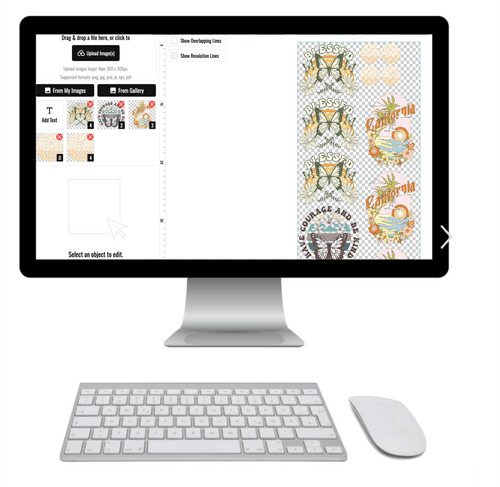
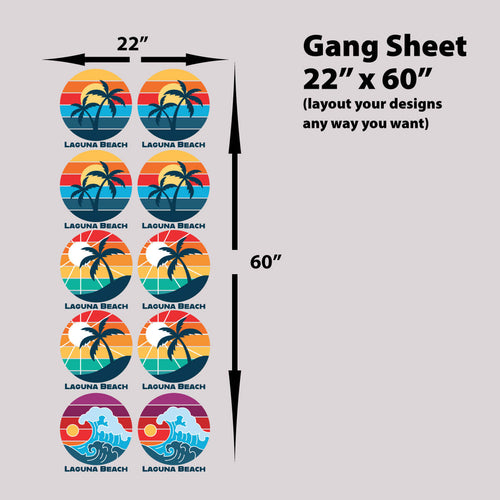
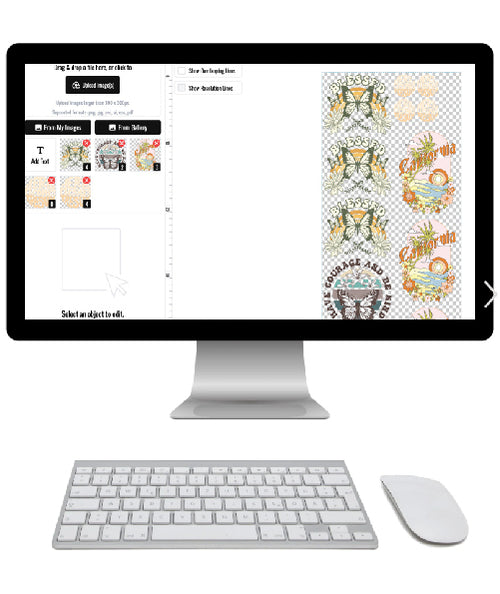
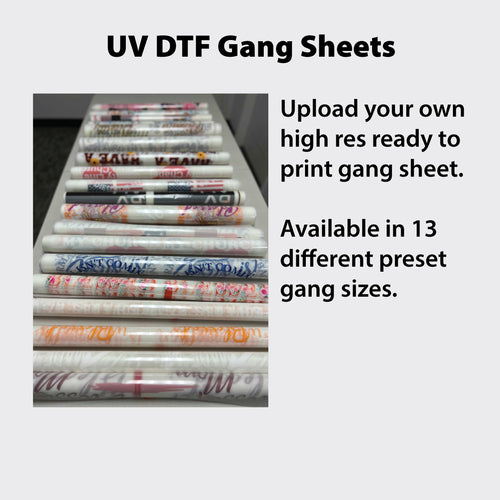
Layout efficiency matters too. On multi-logo jobs, an auto-build gang sheet builder can save real production time and reduce dead space on the sheet. Lion DTF Transfers offers that type of workflow tool for shops that want to keep polyester orders organized without laying out every sheet manually.
Sublimation for white shirts that need a zero-hand feel
Sublimation is the cleanest option when the shirt itself is part of the performance spec. The image dyes the fibers instead of sitting on top of them, so there is no film layer and no added hand. On white polyester, that gives you bright color and a finish that stays comfortable for athletic wear, staff shirts, and branded undershirts.
It also solves a practical problem that gets missed in a lot of print discussions. For uniform programs, a white polyester undershirt with a sublimated mark can handle moisture without building up the heavy, coated feel some employees dislike under button-downs or polos. That makes it a strong choice when the goal is not just decoration, but cleaner outerwear and fewer visible sweat issues during long shifts.
Sublimation still has limits. It needs high polyester content and works best on white or very light garments. If the client wants a dark shirt or a print that can move across mixed fabric types, use a different method.
Screen printing when the order size supports it
Screen printing still makes sense on polyester, especially for larger runs with simpler art. But ink choice and cure strategy matter more than they do on basic cotton tees. White polyester can look clean on press and still fail later if the fabric dyes start migrating into the ink or the cure temp is too aggressive for the shirt.
That is why I test polyester screen jobs harder than cotton jobs. I want to see the print after curing, after cooling, and after a wash. A shirt that looks fine for five minutes on the unload table can show problems the next day.
Printing Method Comparison for 100% White Polyester
| Method | Vibrancy & Detail | Feel on Fabric | Durability | Best For |
|---|---|---|---|---|
| DTF | Strong detail and full-color flexibility | Print sits on fabric | Strong when pressed correctly | Small runs, mixed graphics, names, chest logos |
| Sublimation | Very vivid on the right blank | Integrated into fiber | Strong because image becomes part of fabric | Full-color art, all-over style looks, performance shirts |
| Screen printing | Good for simpler artwork | Depends on ink deposit | Reliable with correct polyester setup | Larger runs, spot-color jobs, team basics |
Match the print method to the use case first. Polyester shirts worn under uniforms, in heat, or across repeated wash cycles need a different decoration choice than promo tees handed out once at an event.
How to Source the Right White Polyester Shirts
Not all white polyester shirts feel the same, print the same, or wear the same. “100% polyester” tells you the fiber content. It doesn't tell you whether the shirt feels slick, soft, dense, sheer, athletic, or retail-ready. That's why bad sourcing decisions usually happen on spec sheets, not on press.
Start with the measurable specs
For wholesale blanks, one common benchmark is 30/1 singles at 4.4 ounces per square yard, which is identified by Royal Apparel's sublimation tee specifications as a standard that supports dye penetration and overall durability on 100% polyester white T-shirts.
That gives you a useful reference point. It doesn't mean every good blank must match it exactly in feel. It does mean you should pay attention when a supplier provides weight and yarn information instead of only saying “performance tee.”
What to check before you buy deep
Use a short sourcing checklist before placing a larger order:
- Fabric weight: Lighter shirts may feel better for sports but can show more through the white base.
- Knit type: Jersey, interlock, and other constructions can change surface smoothness and how premium the blank feels.
- Finish and hand: Some polyester shirts feel technical and slick. Others are brushed or engineered to feel closer to cotton.
- Opacity: White polyester can range from solid to too sheer for uniforms, especially under bright lighting.
- Consistency across sizes: A great sample in one size doesn't always predict the whole run.
Order samples like a printer, not just a buyer
Press a sample before committing. Wash it. Check the white point. Look at the shoulder seam, collar recovery, and whether the body twists. A shirt can look fine in a catalog and still fight you in production.
I'd also check the blank in the actual use case. If it's for staff uniforms, make sure it doesn't look flimsy under indoor lighting. If it's for sublimation, make sure the surface supports the visual finish your customer expects.
Care and Washing to Maximize Print Longevity
The job isn't done when the shirt leaves the press. White polyester shirts keep looking good when the wearer treats both the fabric and the decoration correctly. Most failures I see after delivery aren't from the print itself. They come from too much heat, rough washing habits, or stain treatment that's harsher than the garment needs.

The care rules that actually matter
Give customers instructions they can follow without guessing.
- Wash in cold water: Cooler washing is easier on both the shirt and the print.
- Use a gentle cycle: Less agitation helps the garment keep its shape and finish.
- Skip extra high dryer heat: Polyester resists shrinkage well, but excessive heat can still degrade the fabric over time.
- Hang dry or tumble low: Lower heat is the safer default for white polyester garments.
- Treat stains early: The longer sweat, deodorant, or oils sit, the harder they are to remove cleanly.
Two issues customers ask about
Static and odor are the two complaints that come up most often.
Static tends to show up in dry conditions and with over-drying. Lower dryer heat and removing the shirt promptly usually help. Odor can linger in polyester more than some customers expect, especially in activewear. Better wash habits and not letting damp shirts sit in a gym bag too long make a noticeable difference.
A care card should be part of the order for uniforms, team wear, and branded staff apparel. It prevents avoidable complaints.
For a quick visual walkthrough, this video is useful for customers who prefer simple garment-care instruction:
What not to tell customers
Don't promise that polyester is indestructible. It isn't. It's durable, but repeated abuse from excessive heat or aggressive laundering still shortens the life of the shirt and the print.
A better message is simple. Wash cooler, dry lower, and don't cook the garment.
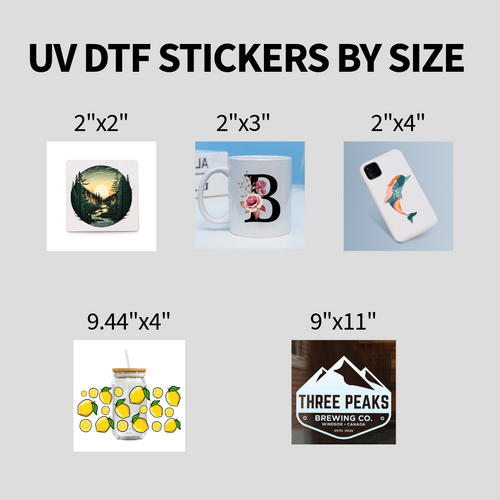
If you need transfers for white polyester shirts, Lion DTF Transfers is one option for ordering DTF by size or gang sheet, including an Auto-build gang sheet builder that can simplify layout on multi-design jobs and help control material use.