



You're usually asking this question after something has already gone wrong.
A box of custom DTF gang sheets shows up, you open it, and the warning signs are obvious right away. Colors look flat. Fine lines are soft. One logo has a rough edge, another graphic is missing, and the order you planned to press that afternoon is suddenly a problem. Now you're not shopping for transfers anymore. You're managing delays, rework, and a customer who expects you to have this under control.
That's why the question isn't just where can I find reliable services for custom DTF gang sheets. It's how to identify a provider that works like a production partner instead of a gamble.
The Search for a Trustworthy DTF Partner
A lot of buyers start with price because it's easy to compare. That usually leads them to the wrong shortlist.
Cheap gang sheets can cost more than premium ones if the art isn't printed cleanly, the film handling is sloppy, or the supplier misses details that force you to reorder. In a working shop, consistency matters more than a flashy low entry price. You need transfers that press predictably, peel cleanly, hold detail, and arrive when the job says they need to arrive.
What reliable actually means
A trustworthy DTF partner does a few things well, every time:
- Produces repeatable print quality so your first order and your fifth order look like they came from the same system
- Handles artwork correctly instead of running whatever file gets uploaded without checking obvious issues
- Communicates clearly when something is off, delayed, or likely to print poorly
- Runs a stable workflow so ordering doesn't turn into back-and-forth emails and preventable mistakes
That last point gets overlooked. Many transfer problems start before ink hits film. If the upload process is clumsy, the gang sheet builder wastes space, or the site makes it hard to confirm artwork size, the supplier is already creating risk for you.
Practical rule: Don't judge a DTF company by its homepage. Judge it by how little friction it adds between your artwork and a successful press.
Why a framework beats a supplier list
Lists of vendors can be useful, but they don't teach you how to judge them. A small Etsy seller might be perfect for a single niche order and a bad fit for repeat production work. A large online provider might have strong equipment but weak support. A local print house might be convenient but inconsistent with color.
The right move is to build a vetting process. Once you know what to look for in print quality, color handling, durability, ordering workflow, and support, you can evaluate any provider with the same standard. That protects your margins and your reputation a lot better than chasing whichever listing looks cheapest today.
Where to Begin Your Search for DTF Providers
Most buyers start in the same few places. That's fine, as long as you understand what each channel is good at and where it can waste your time.

Online search gives you range, not clarity
A Google search for custom DTF gang sheets gives you the widest pool fast. You'll find dedicated transfer companies, apparel decorators that added DTF, and newer operators testing the market. That's useful when you want options.
It's less useful when every website says the same things. Clean branding doesn't prove production discipline. A polished homepage can hide weak color handling, thin support, or poor packaging.
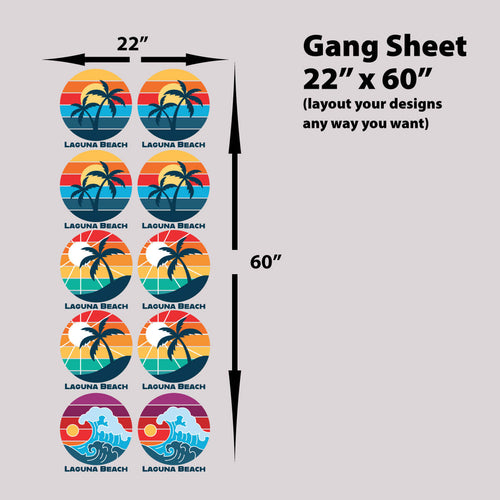
Use search results to build a candidate list, not to choose a winner. If you're still learning how gang sheets work at a production level, this complete guide to DTF gang sheets is a good starting point for understanding the format before you compare vendors.
Marketplaces are flexible, but uneven
Etsy and similar marketplaces can work well for small orders, niche art, or one-off testing. You may find responsive sellers who care about detail and who are willing to answer specific questions before you buy.
The trade-off is variability. Marketplace sellers often operate at very different production levels. Some are decorators with a real system. Others are side businesses without stable turnaround, documented policies, or a reliable way to handle repeat commercial orders.
Community referrals are often more honest
Print groups, apparel forums, and decorator communities can save you a lot of time because people talk plainly when a transfer fails in production. You'll hear about shipping issues, peeling problems, weak white underbase, and whether a company fixes mistakes.
What these channels do well:
| Search channel | Good for | Watch out for |
|---|---|---|
| Google search | Building a broad list quickly | Marketing claims that all sound identical |
| Marketplaces | Small custom runs and niche sellers | Inconsistent production standards |
| Forums and groups | Real-world feedback from decorators | Advice can be subjective or outdated |
| Trade shows | Seeing samples and talking face to face | Not every strong online vendor attends |
Trade shows reveal things websites hide
If you can attend an industry event, do it. Samples in hand tell you more than product copy ever will. You can inspect edge definition, color density, film feel, adhesive coverage, and how the team answers technical questions on the spot.
A provider that can explain its process clearly in person usually runs a cleaner operation behind the scenes.
The Vetting Checklist Core Criteria for Reliable DTF
Once you have a shortlist, stop browsing and start testing. A reliable supplier should be able to pass a practical shop-floor evaluation, not just a marketing review.

Start with print quality
Look closely at small text, thin strokes, halftone-style detail, and edge cleanliness. If the supplier can't hold detail on a sample sheet, larger production work won't go better.
Check for these signs:
- Sharp outlines that don't look swollen or soft
- Smooth fills without grainy gaps or muddy sections
- Readable fine text where small lettering still holds shape
- Clean separation between neighboring colors
If you run a small shop and want a better sense of what production quality depends on upstream, this article on the best DTF printer for small business gives helpful context on equipment and output expectations.
Color management matters more than people think
Color is where many suppliers expose themselves. Anyone can print something bright. Fewer companies can print something accurate.
Think of color management like calibration in a serious kitchen. If every measuring tool is off, the recipe changes every time. In DTF, the same thing happens when monitors, RIP settings, ink behavior, and substrate expectations aren't aligned. That's why one supplier's “red” can come back deep and clean while another's comes back orange or dirty.
Ask for a sample with brand-sensitive artwork if color matters to your customer. Sports teams, school merch, corporate logos, and event graphics all reveal whether a supplier has control or is mostly guessing.
Durability isn't just about the transfer
A good transfer should stay flexible, resist cracking, and survive normal garment use when applied correctly. But durability depends on more than the sheet itself. Powder application, curing discipline, film quality, and how well the adhesive layer was built all matter.
You don't need a laboratory answer. You need a provider that can speak clearly about application and expected performance without sounding vague.
Shop test: Order the same design in a few common use cases, then press them onto the fabrics your customers actually buy most.
Turnaround should be realistic, not theatrical
Fast turnaround has value only if it's reliable. Some companies promise speed and then create delays the minute artwork needs review or volume increases.
Look for a provider that gives straightforward production windows, communicates cutoffs clearly, and ships in a way that matches how you schedule jobs. A realistic estimate you can plan around is better than a dramatic promise that misses.
Pricing should be transparent
There's nothing wrong with comparing prices. The mistake is comparing only headline pricing.
Review the structure instead:
- Sheet-based pricing can work well if you fill space efficiently
- Area-based pricing may suit mixed-size orders better
- Upload tools can affect cost by helping or hurting layout efficiency
- Hidden extras like rush handling, setup help, or design cleanup can change the actual total
A supplier isn't affordable if you have to waste film space to use their system.
Beyond the Prints Evaluating Support and Workflow
A clean print doesn't erase a bad ordering experience. Shops lose time long before production when the website is clunky, the file review is unclear, or support is impossible to reach when something needs a fast answer.

Ordering tools tell you how the company thinks
The upload flow is one of the best indicators of whether a supplier understands real production. If the site makes you fight basic tasks like sizing art, arranging files, or previewing a sheet, that friction usually shows up elsewhere too.
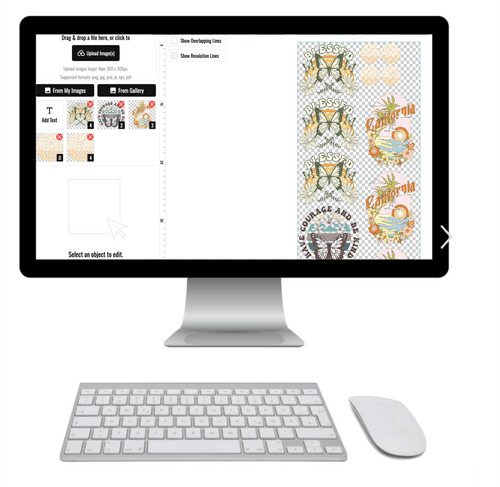
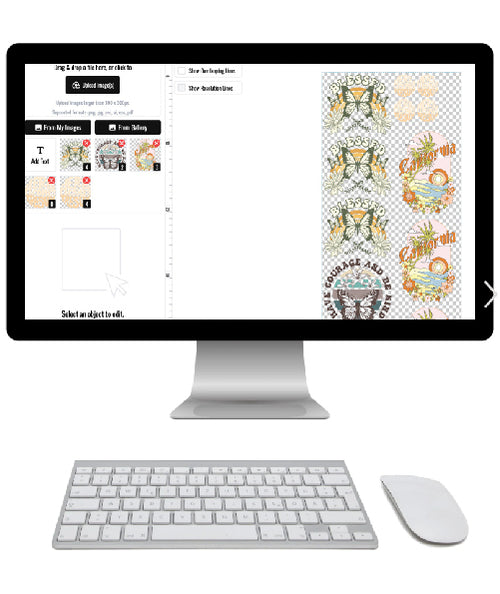
The gang sheet builder is the biggest checkpoint. Manual placement works when you have a few graphics. It becomes tedious when you're packing multiple logos, left chest prints, sleeve hits, neck labels, and full-front art into the same run. That's where automation stops being a convenience and starts being a cost control tool.
One example is the Auto-build gang sheet builder from Lion DTF Transfers, which automatically nests uploaded artwork to use sheet space more efficiently. If you want to see how that workflow works in practice, this practical guide to the DTF gang sheet builder walks through the setup.
Support quality shows up under pressure
Most suppliers sound responsive before the order is placed. The true test is what happens when you ask something specific.
Good support answers practical questions clearly:
- File prep help when transparency, sizing, or resolution looks off
- Turnaround guidance based on actual production flow, not generic promises
- Issue handling when a sheet arrives damaged or a print defect slips through
- Human access by chat, email, or phone when the job can't wait
Poor support usually has a pattern. Replies are slow, answers are vague, and no one takes ownership. That's manageable on a hobby order. It's expensive on client work.
If a supplier can't help you prevent mistakes before checkout, you'll probably be the one paying for them after delivery.
Workflow efficiency affects profit
A lot of decorators focus on transfer cost and forget labor cost. Ten extra minutes spent building every sheet by hand adds up fast. So does re-uploading files because the system is picky, or emailing support to fix basic layout issues.
Professional-grade providers reduce those touches. They make ordering clear, they make proofing easy, and they help you use sheet space wisely. That's what separates a supplier you tolerate from one you keep.
Questions to Ask and Red Flags to Avoid
Before you place a first order, interview the provider. Don't ask broad questions like “Are your prints good?” Ask the kind of questions that reveal whether they have a real process.

Use this interview script
Send a short message or call with direct questions:
-
What's your reprint policy for print defects or color problems?
You're checking whether they have a written standard or if they answer vaguely. -
Can I order a sample pack or test my own artwork first?
Serious providers should understand why you want to verify output before a larger run. -
What file types and file setup do you require?
Ask specifically about transparency, sizing, and artwork readiness. A professional answer is usually clear and concise. -
How do you handle color accuracy for brand-sensitive art?
You're not looking for a perfect promise. You're looking for a competent explanation. -
What is your production turnaround, excluding shipping time?
This separates shop time from transit time, which many buyers mistakenly blend together.
What good answers sound like
Good answers are usually calm and specific. The company explains the policy, tells you what they need from your file, and gives you a realistic production expectation.
Bad answers often sound improvised. You'll see phrases like “it should be fine,” “we usually don't have issues,” or “just upload it and we'll see.” That's not process. That's drift.
Warning sign: If a provider can't explain how they deal with color, defects, or artwork problems, they probably deal with them inconsistently.
Red flags worth taking seriously
Some red flags are small on their own but serious in combination.
- No visible contact path means support may disappear after checkout
- No samples or no portfolio examples suggests they don't want scrutiny
- Vague policies usually become your problem when an order goes wrong
- Unprofessional website errors can point to a rushed operation
- Slow replies before purchase often become slower replies after purchase
If you're still asking where can I find reliable services for custom DTF gang sheets, this step is where weak options fall out fast. A quick interview usually tells you more than another hour of browsing.
Placing Your Order and Securing a Long-Term Partner
Once you've picked a provider, the first order should be treated like a controlled test. Don't send your messiest file on your most urgent deadline and hope for the best.
Prepare artwork carefully. Use high-resolution art at final print size, keep the background transparent, and inspect the edges before upload. Look for stray pixels, unintended soft shadows, and half-transparent elements that may print differently than expected. Clean files reduce surprises for both you and the printer.
What to evaluate on the first real order
Your first production order should answer a few simple questions:
- Did the sheet match the uploaded intent clearly enough to press with confidence?
- Did the packaging protect the film and keep the order organized?
- Did communication stay clear if anything needed attention?
- Would you trust this supplier with a repeat job for a paying client?
That last question matters most. Reliable DTF service isn't just about one good delivery. It's about whether the company can become part of your operating routine without creating extra checking, chasing, and second-guessing.
A dependable long-term partner usually combines strong print fundamentals with an efficient ordering system, clear support, and tools that reduce wasted layout time. That's why the gang sheet builder matters so much. A supplier that offers an Auto-build gang sheet builder is usually thinking about the same thing you are. Better sheet usage, less manual work, and fewer avoidable mistakes.
If you want one practical standard to use, choose the provider that makes your repeat orders easier, not just your first order cheaper.
If you want a provider that checks those boxes in one workflow, Lion DTF Transfers is worth a look for custom gang sheets, upload-based ordering, and an Auto-build gang sheet builder that simplifies layout and helps control sheet cost.