


samWhen you're figuring out how to get a design onto a t-shirt, the conversation almost always lands on screen print vs vinyl. Getting the right choice comes down to your project's needs. Screen printing is the undisputed champ for big batches with simpler designs, thanks to its super low cost-per-shirt and soft feel. On the other hand, heat transfer vinyl (HTV) is the go-to for small runs, one-off custom jobs, and graphics with tons of detail.
Nailing this fundamental difference is the first step in choosing the right path for your apparel.
Key Differences in Apparel Decoration
The whole point of custom apparel is turning a digital idea into something you can wear. Screen printing and heat transfer vinyl are two of the most trusted ways to get it done, but they work in completely different ways. Each one has its own set of pros and cons related to cost, look, durability, and how fast you can get the job done.
This guide is a head-to-head comparison, breaking down everything from the initial setup grind to how the final print feels on the shirt. By the end, you'll have a clear idea of which method fits your project.

Core Process and Application
At its heart, screen printing is basically a fancy stenciling method. It works by pushing plastisol or water-based ink through a mesh screen directly onto the fabric. Here's the catch: every single color in your design needs its own screen. That makes the setup for multi-color jobs a real headache, both in time and money. But once those screens are ready? You can crank out shirts incredibly fast, which is why it's so efficient for large production runs.
Heat transfer vinyl (HTV) is a totally different ballgame. A machine cuts your design out of a sheet of colored vinyl. Then, someone has to manually peel away, or "weed," all the excess vinyl before pressing the design onto the garment with a heat press. The process is the same whether you’re making one shirt or fifty, which is why vinyl is perfect for personalizing jerseys, making prototypes, or handling small orders.
The real difference is how the design meets the fabric. Screen printing soaks ink into the fibers, giving it a soft, breathable feel. Vinyl is a separate layer that sits on top of the fabric, creating a texture you can feel.
At-a-Glance Comparison: Screen Print vs Vinyl
To make things simple, let's line them up side-by-side. This table breaks down how each method stacks up across the most important factors for any custom apparel project.
| Feature | Screen Printing | Heat Transfer Vinyl (HTV) |
|---|---|---|
| Best For | High-volume orders (50+ items), simple 1-4 color designs, merch. | Small batches, one-offs, personalization (names, numbers), prototypes. |
| Feel & Texture | Soft, breathable finish that becomes part of the fabric. | A distinct layer on top of the fabric; can be smooth, glossy, or textured. |
| Durability | Extremely durable; can last the lifetime of the garment. | High-quality HTV is very durable and can last for 50+ washes. |
| Design Complexity | Best for bold, simple graphics. Fine details can be tricky. | Excellent for intricate, complex designs and multi-color logos. |
| Cost Structure | High initial setup cost, but very low cost-per-item on large runs. | Low setup cost, but a consistent and higher cost-per-item. |
| Production Speed | Slow setup, but very fast for mass production once started. | Faster for a single item, but slow and labor-intensive for bulk orders. |
| Color Options | Pantone color matching is precise, but each color adds to the cost. | Wide range of colors and special effects (glitter, foil, flock). |
Ultimately, choosing between screen print vs vinyl is about matching your project's needs to the method's strengths. But what if you want efficiency and quality without screen printing’s high setup costs or vinyl's tedious weeding?
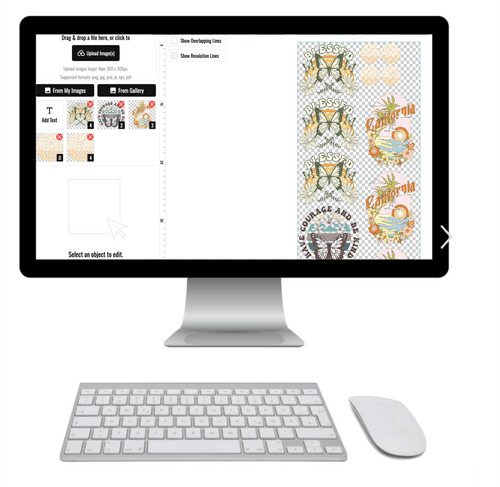
That's where modern alternatives come in. For instance, our Auto-build gang sheet builder lets you pack multiple full-color designs onto a single sheet for DTF transfers. It offers incredible ease of use and is far more cost-effective for orders with varied artwork. This approach gives you a powerful middle ground, combining the best of both worlds.
Comparing the Feel, Texture, and Wash Durability
How a print feels on a shirt and how it survives the laundry pile are two of the biggest tells of quality. These are the things customers actually notice. The technical term for the feel is the "hand," and it’s where screen printing and vinyl really start to show their differences.
One sinks into the fabric, becoming a part of it. The other sits on top like a separate layer. This all comes down to the process. Screen printing pushes liquid ink through a mesh screen, forcing it to absorb directly into the garment’s fibers. The result is a print that feels almost exactly like the shirt itself, especially when using softer water-based inks.
Heat transfer vinyl (HTV), on the other hand, is literally a sheet of material that’s applied to the surface of the fabric with a heat press. You can feel the edge. It creates a distinct layer that ranges from a thin, flexible film to something much thicker and more rigid, depending on the vinyl you choose.

Unpacking the "Hand" of Each Method
The "hand" of a print is just shop talk for how it feels to the touch. Generally, a soft hand is what people want because it doesn’t mess with the natural feel of the fabric.
- Screen Printing's Soft Hand: A good screen print, particularly after its first wash, is often so soft you can’t feel it at all. This makes it perfect for big graphics on comfy stuff like t-shirts and hoodies because it doesn’t kill the garment’s breathability. You can get even softer results with certain inks—something you can explore further by learning how halftones work in screen printing.
- Vinyl's Layered Feel: Vinyl always has a more noticeable hand. Modern HTV has gotten a lot thinner and more flexible, but it's still a layer sitting on top of the fabric. Sometimes that’s a good thing, like for bold athletic numbers or special effects like glitter and foil. But for large designs, it can feel stiff, heavy, and a bit like a plastic shield.
Long-Term Wash Durability: Busting the Myths
Durability is where the screen print vs vinyl debate gets really interesting. For years, screen printing has been the undisputed champ for longevity. A professionally cured screen print can easily outlast the garment it’s printed on, resisting cracking, peeling, or major fading even after years of washing.
But the old myth that vinyl is just a temporary fix is seriously outdated. Modern heat transfer vinyl has improved massively. High-quality HTV, applied correctly, can handle dozens and dozens of washes without any issues. In fact, many premium vinyls are rated for 50-100+ wash cycles, putting them squarely in the same durability league as screen printing.
Here’s the real takeaway: proper application and care are just as crucial as the method itself. A poorly cured screen print will flake off just as fast as a badly pressed vinyl transfer.
The heat transfer vinyl market is projected to hit USD 551.96 million by 2034, and that growth is fueled by its accessibility. Small-scale creators and hobbyists love its simpler workflow, and for their needs, vinyl’s proven longevity is more than enough.
Ultimately, both methods can deliver durable, long-lasting prints. Your choice often comes down to balancing the feel you want with the complexity of your design and the size of your order. For those who want the best of both worlds—a soft hand, full-color detail, and high durability without weeding vinyl or setting up screens—there are better options. Our Auto-build gang sheet builder, for instance, makes it easy and cost-effective to create high-quality transfers that bridge that gap perfectly.
Diving Into Cost Per Unit and Production Speed
This is where the rubber meets the road in the screen print vs vinyl debate. Money and time. The numbers tell a story of two completely different ways to run a custom apparel business—one built for bulk efficiency, the other for on-demand flexibility.
Screen printing is all about the setup. Every single color in your design needs its own screen prepared, coated with emulsion, and burned. This upfront work makes printing just one shirt wildly impractical from a cost perspective. But once that setup is done, cranking out more shirts costs next to nothing—just ink and a few moments of labor.
Heat transfer vinyl (HTV) works on the exact opposite logic. There’s almost no setup cost besides owning a vinyl cutter and a heat press. The cost per shirt stays pretty much the same whether you’re making one or one hundred, driven almost entirely by the price of the vinyl and the time it takes to cut, weed, and press each design.
Screen Printing Economics: The Power of Volume
The math behind screen printing is straightforward: the more you print, the less each shirt costs. That initial setup fee, which can climb quickly for designs with multiple colors, gets divided across the whole run. A $150 setup cost is a deal-breaker for ten shirts ($15 per shirt), but it’s a tiny $0.75 per shirt when you’re printing 200.
This is exactly why screen printing is the undisputed king of high-volume apparel, responsible for over 3.5 billion garments printed every year across the globe. For big events, retail merchandise, or large corporate orders, nothing else comes close to its cost-effectiveness at scale. You can get a better sense of the industry’s massive scale with these statistics.
Vinyl Economics: Consistent Costs for Small Batches
Vinyl's biggest advantage is its low barrier to entry and predictable pricing. It’s the perfect method for that one-off custom jersey or a small run of ten shirts for a new local business. The cost for the tenth shirt is identical to the first, making it simple to price small jobs and stay profitable.
The catch? Those costs don't get cheaper as you scale. The weeding process—where you meticulously pick out the unwanted vinyl from each design by hand—is incredibly labor-intensive. Making 100 shirts takes nearly 100 times the hands-on effort as making one, making HTV a financial non-starter for large orders where speed is everything.
Here's the core financial difference: Screen printing is a front-loaded investment in mass-production efficiency. Vinyl is a pay-as-you-go model perfect for custom, on-demand jobs.
So what happens when you need the cost-efficiency of a big run but have a bunch of different small-batch designs? This is a huge pain point for e-commerce shops and small brands. Our Auto-build gang sheet builder is the modern fix, letting you combine many unique designs onto a single DTF transfer sheet. It gives you the ease of on-demand printing with the cost-effectiveness of a bulk order.
Choosing the Right Method for Your Project
Deciding between screen printing and vinyl isn't about which one is "better." It’s about which one is right for your specific job.
The perfect choice for a 500-shirt corporate event would be a disaster for personalizing a single sports jersey. Context is everything. Matching the method to the mission is the key to a great result.
The decision really comes down to a few key questions: What's your order size? How complex is your art? And what's your budget and timeline? Thinking through these factors will point you to the most logical and cost-effective solution.
When Screen Printing Is the Clear Winner
Screen printing’s real power is in its scalability. All the time and cost is front-loaded into the setup, but once those screens are made, production is incredibly fast and cheap per shirt. This makes it the undisputed champ for big projects where consistency and cost are the main priorities.
Here are a few scenarios where screen printing is a no-brainer:
- Large-Scale Event Merchandise: Think concert tours, festivals, or charity runs. When you need hundreds or thousands of identical shirts, the low per-item cost of screen printing makes it the only smart financial option.
- Corporate Uniforms and Brand Apparel: For businesses outfitting their teams or launching a merch line, screen printing guarantees every garment is a perfect brand match. The Pantone color matching is precise, and the prints are durable enough to handle daily wear and tear.
- School or Team Spirit Wear: If you’re making gear for an entire school district or sports league with a simple, bold logo, screen printing delivers professional quality at a budget-friendly price point for bulk orders.
This decision tree gives you a quick visual for how quantity impacts the choice.

As you can see, the moment your order size grows, screen printing's cost-efficiency just blows past the initial setup hurdles.
When to Choose Heat Transfer Vinyl
Heat Transfer Vinyl (HTV) shines exactly where screen printing struggles: on-demand flexibility and customization. With zero screens to prepare, HTV is perfect for small batches, one-of-a-kind items, and projects that need to get done fast. Its strength is its agility.
HTV is the best tool for the job in these situations:
- Personalized Team Jerseys: Adding unique names and numbers to each shirt is vinyl’s bread and butter. This level of customization is just not practical or affordable with screen printing.
- Small-Batch E-commerce Orders: For a new brand testing out designs, vinyl lets you print just a handful of shirts at a time without a massive upfront investment. You can react directly to what your customers are buying.
- Rapid Prototyping: Need to see how a complex, multi-color logo looks on a real garment before committing to a huge run? Vinyl lets you create a sample quickly and easily.
The core difference comes down to scale versus customization. Screen printing is built for mass production of a single design. Vinyl is engineered for the flexibility of unique, small-quantity jobs.
When you start looking at promotional items, vinyl’s versatility really stands out beyond just apparel. For print shops on a tight deadline, vinyl's no-setup speed is ideal for quick vehicle wraps or event signage. While screen printing dominates bulk apparel, vinyl’s adaptability makes it a powerful tool for small businesses launching merch or branding gear for a specific event.
Bridging the Gap Between Volume and Variety
So what happens when you have a bunch of different designs but still want the efficiency of a bulk run? This is a classic problem for online sellers and custom shops. Traditionally, you were stuck with the high per-item cost of vinyl.
This is where modern alternatives completely change the game. Our Auto-build gang sheet builder, for example, lets you combine multiple full-color, ready-to-press designs onto a single sheet. This gives you an incredible mix of ease and cost-effectiveness, letting you handle diverse, small-quantity orders with the efficiency of a larger production run.
This approach means you no longer have to choose between affordability and flexibility. For a deeper dive, you can read our guide on the differences between DTF and heat transfer vinyl.
Meet DTF Transfers: The Modern Alternative You've Been Waiting For
The classic screen print vs. vinyl debate usually feels like a compromise. You're either choosing screen printing for its soft feel and durability—but accepting high minimums and costly setups—or you're picking heat transfer vinyl (HTV) for its flexibility with one-off designs, knowing you'll have to deal with tedious weeding and a heavier feel on the shirt.
But what if there was a way to get the best qualities of both methods without their biggest headaches? That’s exactly where Direct-to-Film (DTF) transfers come in. This technology isn't just another option; it's a powerful solution that bridges the gap and solves the core problems of traditional printing.
Think of DTF as a game-changer. It takes the full-color, photorealistic detail you get with vinyl and combines it with the soft, durable, and scalable qualities that make screen printing so great. It’s a true hybrid built for how apparel decoration works today.
How DTF Solves the Core Problems
DTF technology was practically designed to address the biggest frustrations decorators face. It delivers versatility, quality, and efficiency all in one package.
- No More Color Limits: With screen printing, every single color needs a new screen, which adds time and serious cost. DTF prints millions of colors, gradients, and even photos in a single pass, giving you total creative freedom without punishing your budget.
- Zero Weeding Required: Ask anyone who works with vinyl, and they'll tell you that weeding intricate designs is the most time-consuming part of the job. DTF completely eliminates this step. The design is printed directly onto a film, powdered, cured, and ready to press. This dramatically speeds up production, especially for complex artwork.
- Soft Hand, High Durability: DTF transfers have a remarkably soft, lightweight feel that’s much better than most vinyls and gets incredibly close to screen printing. When applied right, these transfers are built to last, tested to withstand 100+ wash cycles without cracking or fading.
DTF gives you the visual freedom of a digital process like vinyl with the production efficiency and quality feel of an analog one like screen printing. It’s the versatile middle ground that so many creators have been looking for.
This blend of features makes DTF an incredibly powerful choice. It’s perfect for the single-piece orders that are a non-starter for screen printing and the high-volume, detailed jobs that would be a complete nightmare to cut and weed with vinyl.
Unlocking Efficiency and Affordability
One of the best things about DTF is how it makes professional-grade, full-color printing affordable, no matter how many pieces you're ordering. This is especially true when you use your tools smartly. Our Auto-build gang sheet builder, for instance, is designed to maximize this benefit for ease of use and cost effectiveness.
A tool like this lets you arrange multiple different designs onto a single transfer sheet. You can combine several small jobs into one super-efficient print run, which drives your cost per image down to just pennies. It gives small shops and independent brands the buying power of a massive operation without forcing them to order hundreds of the same exact design.
This is a strategic way to manage a diverse product line while keeping your profit margins healthy. For a deeper dive into how this all stacks up, you can learn about DTF vs screen print transfers in our detailed guide.
Ultimately, DTF doesn’t just give you another option; it offers a smarter workflow. It lets you say "yes" to more jobs—from one-off prototypes to large, vibrant merchandise runs—without ever having to compromise on quality or efficiency.
How to Simplify Your Workflow with DTF Gang Sheets
Direct-to-Film (DTF) technology has seriously changed the game for custom apparel, but its real power comes from a smart workflow. That's where the "gang sheet" becomes an absolute must-have for any creator, whether you're running a small Etsy shop or a full-scale print operation. It's the key to unlocking maximum efficiency.
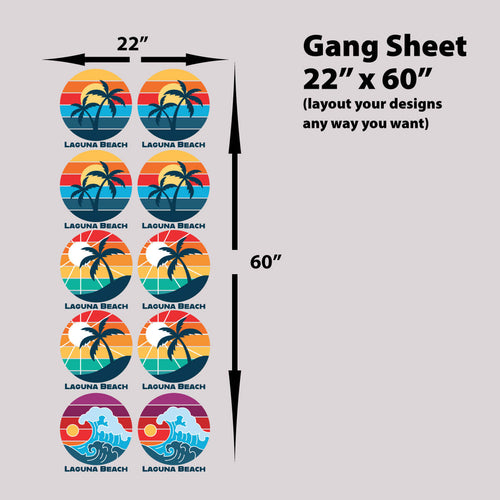
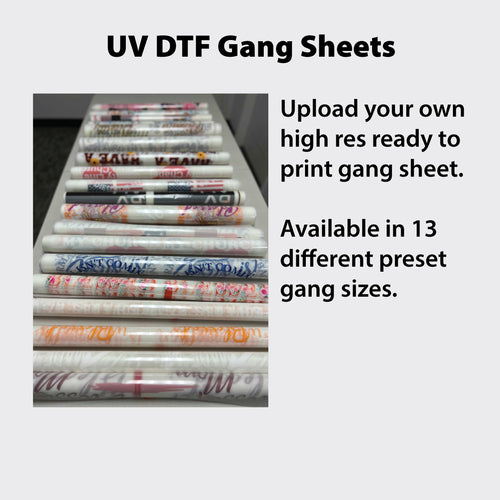
A gang sheet is just a single large transfer sheet packed with multiple designs. Instead of printing one design at a time, you can group logos for a shirt's front, back, and sleeves—or even graphics for completely different jobs—all onto one sheet. This simple concept fundamentally changes the economics of printing.

Maximize Space and Minimize Cost
The biggest win with a gang sheet is how incredibly cost-effective it is. By filling every possible inch of the film, you stop wasting material and slash your cost per design. This approach lets you take on a bunch of diverse, small-quantity orders but treat them with the efficiency and pricing of a massive bulk run.
By grouping various designs onto a single sheet, you transform multiple small, less profitable jobs into one efficient, high-margin print run. This makes professional-quality, full-color printing more accessible and affordable than ever before.
This is a massive leap forward from the old screen print vs vinyl debate, where you were always stuck choosing between bulk savings and small-batch flexibility. Gang sheets give you the best of both worlds.
Streamline Production with an Auto-Builder
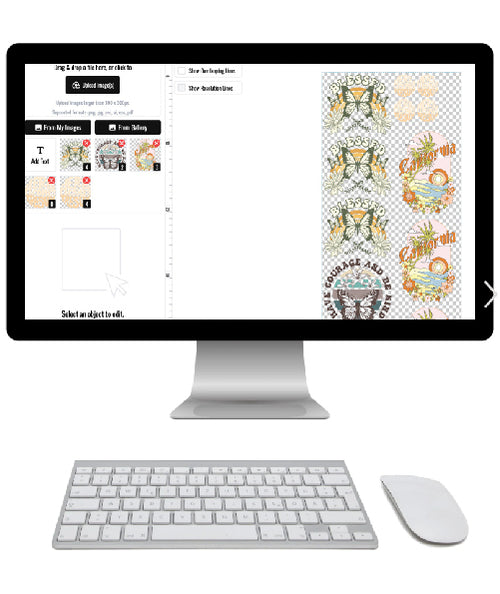
Let's be real: manually arranging designs to fit perfectly on a sheet is like a frustrating game of Tetris. This is where an automated tool becomes essential for keeping your workflow smooth. Our Auto-build gang sheet builder was designed specifically to solve this problem, making the process both foolproof and cost-effective.
You just upload all your art files, and the tool automatically nests them into the most space-efficient layout possible. It makes sure you get the absolute most value out of every square inch you buy.
Here’s how it simplifies your process:
- Upload Multiple Files: Add all the designs you need for different jobs at once.
- Set Quantities: Tell the builder how many copies of each design you need.
- Automatic Arrangement: The builder intelligently organizes everything to fit perfectly on the sheet.
This simple, automated step gets rid of the guesswork and the tedious manual labor. It empowers you to combine jobs effortlessly, driving down costs and speeding up your entire production timeline from order to press.
Common Questions, Answered
Deciding between screen print and vinyl often comes down to a few key questions. Here’s a quick rundown of what you need to know to make the right call for your project.
Which Is Cheaper: Screen Printing or Vinyl?
For just one or a handful of items (think under 24 pieces), heat transfer vinyl, or HTV, is almost always your cheapest bet. That’s because screen printing comes with some hefty setup costs tied to creating the screens for each color.
But once you start scaling up, the tables turn completely. Screen printing becomes way more cost-effective as your order grows. The price-per-shirt drops significantly with every additional print, making it the hands-down winner for any kind of bulk order.
What Lasts Longer: A Screen Print or Vinyl?
A professionally done screen print is the undisputed champion of durability. It often lasts the entire life of the garment without cracking or fading because the ink literally becomes part of the fabric.
That said, high-quality HTV is no slouch. It can easily handle 50-100+ wash cycles when it's applied and cared for correctly. While screen printing has the traditional edge, modern vinyl is a seriously reliable and long-lasting choice.
The biggest factor in longevity for both isn't the method—it's the quality of the execution. A poorly cured screen print will flake off just as fast as cheap vinyl applied with the wrong temperature or pressure.
Is DTF Better Than Vinyl and Screen Printing?
Direct-to-Film (DTF) transfers are the ultimate problem-solvers, offering a powerful middle ground that addresses the biggest headaches of both methods. With DTF, you get the vibrant, full-color detail of vinyl but without any of the mind-numbing weeding.
At the same time, DTF delivers a soft feel and wash durability that goes toe-to-toe with screen printing, but you don't have to deal with the messy, multi-screen setup for every single color. This makes DTF an absolute game-changer for creators who need versatility, professional quality, and efficiency.
For anyone looking to really maximize their workflow, our Auto-build gang sheet builder makes DTF even more of a no-brainer. It lets you pack multiple designs onto a single sheet, slashing your material waste and dropping your cost-per-print. You get the flexibility of on-demand printing with the cost savings of a bulk run, and its ease of use makes the entire process incredibly efficient.
Ready to see what DTF can do for your projects? At Lion DTF Transfers, we make getting professional-grade prints fast, easy, and affordable. Check out what we offer and start your order today.