



You've got a small surf shop near the Virginia Beach Boardwalk, a weekend tournament on the calendar, and 24 shirts needed by Friday. Your usual screen printer is booked, and there isn't enough time to build screens, set up colors, and justify a long production run. That's the kind of order where DTF transfers make practical sense.
For a first-time buyer, the important questions aren't only what DTF means. You also need to choose the right ordering format, prepare artwork correctly, decide between local pickup and shipping, and press the transfer without sacrificing wash performance. In Hampton Roads, those logistics can determine whether a short-run order feels easy or becomes a deadline problem.
What DTF Transfers Are and Why Virginia Beach Buyers Choose Them
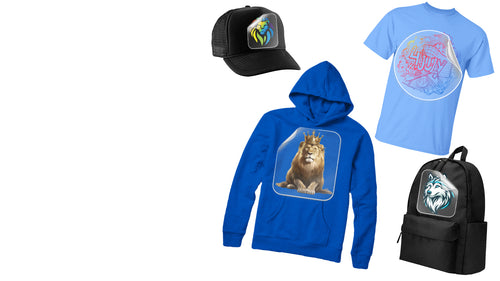
DTF means Direct-to-Film. A printer places a design onto special film using water-based pigment ink, applies adhesive powder, cures the powder, and creates a transfer that can be heat-pressed onto a garment. The finished transfer works across cotton, polyester, blends, and most common apparel fabrics, which gives small operators more flexibility than a decoration method tied to one garment type.
The appeal is strongest for short runs and detailed artwork. DTF doesn't require screen setup for every color, and you won't have to weed small interior details as you would with heat-transfer vinyl. Full-color logos, gradients, photographs, names, and beach-themed artwork can all be prepared as individual transfers or combined on a gang sheet. The result has a soft hand when applied correctly, with a clean surface that suits shirts, hoodies, totes, team gear, and promotional apparel.

Where DTF fits better than other methods
For one-off race shirts, beach event merchandise, or a small restock, DTF can be ordered without committing to a large inventory run. That matters in Virginia Beach, where seasonal events, tourist traffic, local teams, creators, and small businesses may need artwork quickly but not in a quantity that supports traditional screen-print economics.
Screen printing still has a place. It can be efficient for large orders with simple artwork and repeatable colors, but setup and minimums can make it less convenient for small batches. HTV works well for basic lettering and uncomplicated shapes, yet detailed multicolor artwork requires more cutting and weeding. DTG prints directly onto garments and can produce detailed images, but garment compatibility, pretreatment, and production workflow differ from a ready-to-press transfer.
A properly cured DTF transfer can commonly be rated for 50 or more washes, with some guidance reporting 50 to 80 or more washes on cotton and cotton-blend garments when the transfer is pressed correctly and the customer follows cold-water, inside-out, gentle-cycle care instructions. The DTF wash and care guide explains why curing and laundering matter more than a colorful product description.
Virginia Beach's population supports a broad base of apparel buyers. The city reported 453,605 residents in its FY 2024 annual financial report and is described there as the third most populated locality in Virginia behind Fairfax County and Prince William County. The City of Virginia Beach FY 2024 annual report also places the city within the wider Hampton Roads economy, which helps explain the recurring demand for fast, custom apparel.
Once you know what the transfer is, the practical decision becomes simple: choose the ordering path that matches the artwork, quantity, and deadline.
Ordering Options for DTF Transfers in Virginia Beach
Virginia Beach buyers usually choose among custom gang sheets, individual transfers by size, and ready-to-press collections. None is automatically cheaper or faster in every situation. The right option depends on whether you're optimizing artwork space, ordering convenience, or design selection.
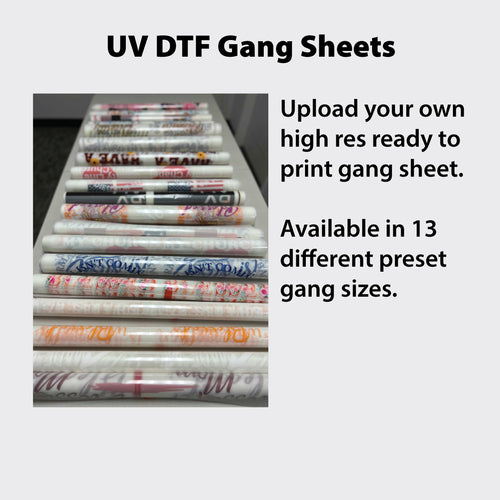
A custom gang sheet is the strongest choice when you have several designs or multiple sizes of one design. You arrange the artwork on one sheet and receive transfers that can be cut apart after printing. A surf shop restocking several graphics, a church youth group preparing event shirts, or a small brand testing a handful of designs can use one layout instead of placing many separate orders.
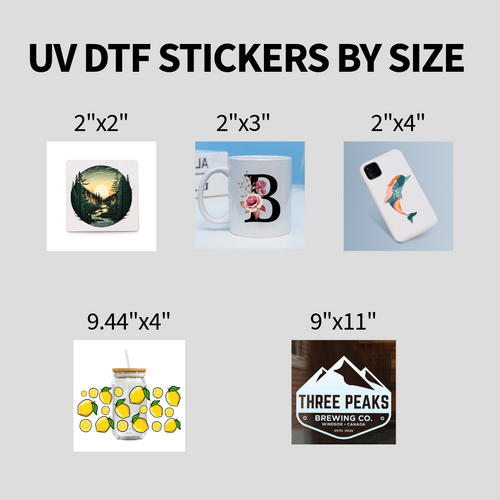
By-size transfers make more sense when the job is narrow. If you need one logo, one name, or a small number of identical placements, selecting a standard transfer size keeps the order straightforward. This path also works for a quick add-on order when you don't have enough artwork to fill a sheet efficiently.
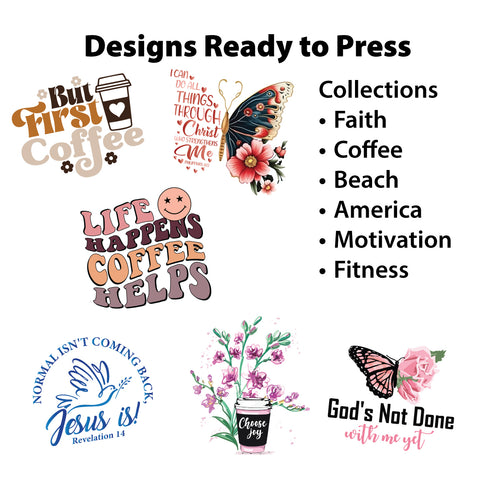
Ready-to-press collections suit buyers who want finished artwork without opening design software. They're useful for bachelorette weekend shirts, seasonal beach gear, simple tote designs, and personal projects where the artwork itself is the starting point. You select a design, choose the quantity, and focus on garment preparation and pressing.
| Ordering Path | Best For | Pricing Model | Typical Virginia Beach Use Case |
|---|---|---|---|
| Custom gang sheet | Multiple designs or varied sizes | Charged by printed sheet area | Surf shop restocks, team apparel, event merchandise |
| By-size transfer | One design or personalization | Charged by selected transfer size and quantity | Small uniform runs, names, logos, add-on orders |
| Ready-to-press collection | Buyers without prepared artwork | Listed price per selected design | Beach shirts, youth groups, weekend events |
File expectations differ by path
Gang sheets generally require clean, separated artwork that can be arranged without unwanted backgrounds. By-size orders need the final design dimensions to be clear, especially when the transfer will be placed on a specific shirt style. Collections usually remove most file-preparation work, but you still need to confirm the selected design fits the garment and intended placement.
Custom gang sheets may have a one-transfer minimum, while ready-to-press collections can be ordered without a minimum. Check the product page before checkout because file requirements, film type, available sizes, and pickup eligibility can vary.
The custom DTF transfer ordering guide is useful when you're deciding whether to upload one design, select a by-size transfer, or build a larger mixed order. If you have enough artwork to share one sheet, the next question is whether automatic layout will reduce waste and manual work.
Using the Auto-Build Gang Sheet Builder to Save Time and Money
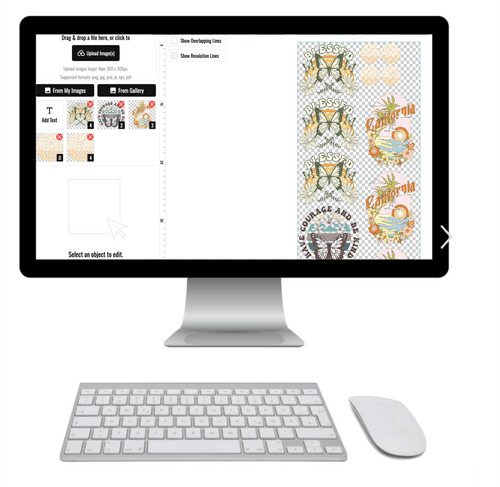
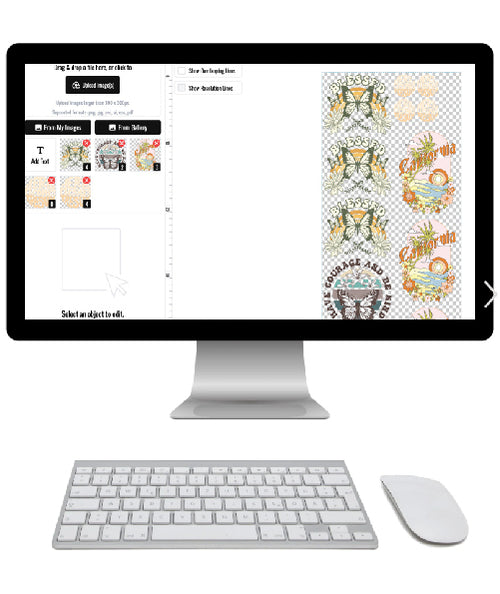
The Auto-build gang sheet builder removes the most frustrating part of a mixed transfer order, manually arranging artwork while trying to avoid wasted film. For a Virginia Beach customer with several logos, names, or event graphics, automatic nesting makes the layout easier to review and helps show coverage before checkout.
Start with clean PNG files. Transparency should already be handled, because a white background or halo can print as part of the design. Upload multiple files at once, then select the sheet size that fits the order.
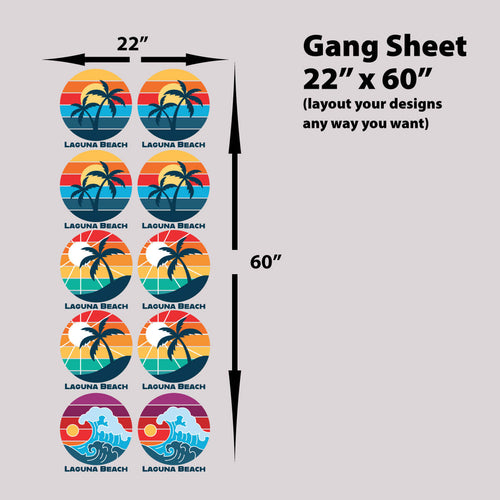
Available sheet choices include 12 by 24 inches, 12 by 36 inches, 22 by 36 inches, 22 by 60 inches, and 24 by 36 inches. Choose based on the actual transfer dimensions you need, not the largest available sheet. A small group order may fit on a narrow sheet, while a mixed retail drop may justify more area.

The builder automatically packs designs into the available space. It handles spacing and rotation, shows coverage as you work, and lets you see the square-inch cost before placing the order. Review the proof at full size. Check that thin lettering remains intact, nothing is clipped, and every design has enough printable margin around it.
A practical builder workflow
- Upload the artwork. Use transparent PNG files with the intended design dimensions.
- Choose the sheet. Match the sheet size to the number and dimensions of your transfers.
- Let auto-nesting arrange the files. Inspect the preview rather than assuming every edge is safe.
- Download or review the proof. Confirm orientation, spacing, and design completeness.
- Select fulfillment. Choose Virginia Beach pickup when the timing and location work, or ship the order when convenience matters more.
A 22 by 60 inch sheet contains 1,320 square inches. At $0.03 per square inch, the film area works out to about $39.60, not $7.20. That correction matters because square-inch pricing is easy to misread when comparing sheet dimensions with individual transfers. Before checkout, compare the actual covered area and the number of usable designs, rather than relying on a low-looking unit price.
The builder also prevents common mistakes, but it can't fix poor source artwork. JPG files may leave white halos, artwork may need mirroring depending on the workflow, and designs placed too close to the printable margin can lose detail. The practical gang sheet builder guide covers the layout decisions that affect usable space.
Pricing, Turnaround, and Pickup vs Shipping in Hampton Roads
A local order has two separate timelines: printing time and fulfillment time. A provider may print within 24 hours, but that doesn't mean a customer can collect the order immediately. Same-day pickup depends on the order cutoff, production status, pickup location, and whether the order has cleared quality control.
The Hampton Roads market is large enough for speed to matter commercially. The Virginia Beach, Chesapeake, and Norfolk labor market had a civilian labor force of about 869.9 thousand and total nonfarm employment of about 823.4 thousand in May 2026, with an unemployment rate of 3.9%, according to the Bureau of Labor Statistics Virginia Beach metropolitan area data. That regional customer base includes small businesses, contractors, teams, event organizers, and creators who may need apparel on a fixed deadline.
How to choose between pickup and shipping
Local pickup usually wins when the deadline is under 48 hours, especially if the order is already printed and you're near the pickup point. It also removes the uncertainty of a carrier handoff. Driving time, parking, and your own schedule still count, so pickup isn't automatically the cheaper option.
Shipping can be more practical when you're outside Virginia Beach, placing a larger order, or ordering early enough that standard transit doesn't threaten the event date. For buyers in the Outer Banks or northeastern North Carolina, overnight shipping may be more sensible than a long drive for a small package. For orders of 50 or more shirts outside the 757, standard shipping can make operational sense when the order is planned ahead and the shipping charge is lower than the labor and travel involved in pickup.
Use the actual sheet area when comparing prices. A 22-inch gang sheet may offer better space utilization for mixed artwork, while a 12 by 12 inch transfer can be easier to price for one design. The winner depends on how much of the sheet becomes usable artwork, not just the advertised rate.
| Order Type | Typical Price | Turnaround | Best When |
|---|---|---|---|
| Individual by-size transfer | Based on selected dimensions | Standard production or expedited option | One design, personalization, or a small add-on |
| Custom gang sheet | Based on printed square inches | 24-hour printing may be available | Multiple designs or mixed-size artwork |
| Local pickup order | Product price plus pickup logistics | Same-day pickup may be available after production | A deadline is under 48 hours and the location is convenient |
| Shipped order | Product price plus selected shipping | Standard, next-day air, or other available option | You're outside the area or prefer delivery |
Don't promise a Friday event order based only on a general turnaround statement. Confirm the cutoff and pickup readiness before buying blanks or scheduling a pressing session.
Preparing Print-Ready Files That Pass the First Time
A transfer order can fail before the printer ever touches the film. The usual causes are low-resolution artwork, a background that wasn't removed, incorrect color handling, missing bleed, and text that changes when the file is opened on another system.
Use this checklist before uploading:
- Resolution: Prepare artwork at 300 DPI minimum so edges and small details have enough source information.
- Background: Export a transparent PNG. A white rectangle or faint halo may become part of the printed transfer.
- Color profile: Use sRGB unless the printer gives you a different profile requirement. Bright neon colors can shift when artwork is prepared in CMYK and converted for a different workflow.
- Bleed: Add 0.125 inches where the artwork requires extra edge coverage.
- Orientation: Mirror the design when the transfer process and film instructions require it.
- Text: Outline or flatten text so missing fonts don't alter the design.
- Inspection: Zoom into thin lines, small lettering, and transparent edges before checkout.

What to do with a low-resolution image
A phone screenshot or social-media download usually isn't a print-ready master. Don't enlarge it and assume the missing detail will return. Ask for the original logo, vector artwork, transparent export, or a higher-resolution file from whoever created the design.
If the only available file is low resolution, request vectorization or redraw support before ordering a full batch. That costs less than discovering after pressing that a business name is soft, a logo edge is jagged, or a white box surrounds the artwork. Confirm the printer's maximum upload size and accepted formats on the ordering page, since those technical limits aren't universal.
Pre-upload check: Open the final file against a checkerboard background, confirm the intended width and height, inspect the edges, and verify that every word is spelled correctly.
Don't leave file preparation until the production slot is already urgent. A clean file gives the printer a clear target and gives you time to catch design problems before a rush reprint or a missed Saturday order.
Pressing DTF Transfers for a Durable, Retail-Grade Finish
Good DTF application starts with garment preparation, not the timer. Lint-roll the shirt, remove surface moisture with a brief pre-press, and avoid fabric softener before application. Moisture trapped in the garment can interfere with adhesion and make a successful press harder to repeat.
For a working starting point, use 320°F for cotton and 300°F for polyester, with medium-firm pressure for 10 to 15 seconds. Those settings are guides, not a substitute for the transfer supplier's film instructions. Heat presses vary, and a platen that displays one temperature may not heat evenly across its surface.

The pressing sequence
- Pre-press the garment. Remove wrinkles and moisture, then let the shirt lie flat.
- Position the transfer. Place the printed side against the garment and confirm the design is centered before closing the press.
- Press with stable pressure. Keep the platen level and use the recommended temperature and time.
- Peel according to the film. Some films require a hot peel, while others need to cool before removal. Peeling at the wrong stage can lift the design.
- Post-press the transfer. Cover the design with parchment or a pressing sheet and apply a second 5 to 10 second press.
The post-press helps finish the adhesive bond and improves the surface consistency. After pressing, let the garment rest for 24 hours before its first wash. The DTF troubleshooting guide identifies insufficient pressure, low temperature, incomplete curing, settled white ink, printhead maintenance, and film compatibility as recurring variables behind production problems.
A home Cricut EasyPress can work for small jobs if you apply even pressure and keep the garment stable. An entry-level clamshell press is easier to repeat on thick hoodies because its pressure and platen contact are more consistent. Avoid pressing across seams, pockets, zippers, or thick hems whenever possible. Those raised areas can create uneven contact and leave parts of the transfer under-pressed.
Wash garments inside out in cold water, use a gentle cycle, skip bleach and fabric softener, and dry on low heat or air-dry. Don't dry-clean DTF apparel.
Local Tips, Common Pitfalls, and Care Instructions
Virginia Beach's coastal conditions affect storage and handling, even before a transfer reaches the press. Keep unused film flat, dry, and protected from excess humidity. Summer moisture can make film feel sticky, while cold coastal storage can leave it brittle. Store transfers away from direct heat and avoid leaving them in a hot vehicle before pressing.
The most common application mistakes are simple and preventable:
- Skipping the lint roll: Fibers and loose debris can interrupt contact between adhesive and fabric.
- Trusting the display temperature: Verify platen heat with an external thermometer when results are inconsistent.
- Using weak pressure: A light press may leave portions of the design poorly bonded.
- Peeling too early: Follow the film's hot-peel or cold-peel requirement.
- Pressing over seams: Move the design to a flat area instead of forcing the platen across a raised edge.
- Skipping the post-press: The second press helps complete the finish and supports wash durability.
Wash care should be printed on your customer instruction card, not left to memory: cold water, garment inside out, no bleach, no fabric softener, and low-heat tumble drying or air drying. Early wash testing can reveal a curing or pressing problem before a full customer order leaves the shop. Run samples using the same garment, transfer, temperature, pressure, and time as production.
Make the local logistics choice deliberately
For an Oceanfront-area pickup, ordering before noon may give you a better chance of same-day readiness when that option is available. Confirm the cutoff and wait for pickup confirmation rather than driving over based on a general promise. Buyers in the Outer Banks or northeastern North Carolina may prefer overnight shipping when travel time would consume the deadline.
The city also has a business requirement worth tracking if you're operating commercially. Virginia Beach business-license renewals must be mailed in the first week of January and paid by March 1. If payment isn't received by that date, penalties and interest may apply, and the business is considered unlicensed, according to the Virginia Beach business taxpayer guidance.
For a mixed apparel order, open the Auto-build gang sheet builder and test your artwork layout first. If you only need a single design, browse a ready-to-press collection instead of forcing a gang sheet that you can't fill efficiently.
Lion DTF Transfers offers custom DTF transfers by size, gang sheets through the Auto-build builder, ready-to-press designs, and pickup or shipping options for Virginia Beach orders. Visit Lion DTF Transfers to upload your artwork, build a sheet, or choose a ready-to-press design that matches your deadline and pressing setup.