


A well-pressed, properly cared-for DTF transfer commonly lasts 50 to 100 wash cycles. That's the benchmark most shops and transfer suppliers use, but it's a best-case outcome that depends on the whole system: transfer quality, press technique, fabric choice, and how the garment gets washed afterward.
If you're asking because you don't want prints that look great on day one and fail after a handful of laundry cycles, that's the right question to ask. DTF can be very durable, but durability isn't automatic. The print has to be made well, pressed correctly, and treated like decorated apparel instead of regular blank stock.
Most confusion around DTF comes from treating lifespan like a fixed number. It isn't. Two shirts with the same artwork can age very differently if one was pressed with uneven heat or thrown into hot commercial laundry every week while the other was applied cleanly and washed with care. That's why the definitive answer to "Do DTF transfers last?" is yes, if you control the variables that truly matter.
The Real Lifespan of a DTF Transfer
The practical answer is straightforward. A properly applied DTF transfer is commonly reported to last 50 to 100 wash cycles, and some shops translate that into about 2 to 5 years of real-world use depending on care, garment choice, and how often the item is worn, according to this DTF durability overview from DTF Transfers Now.

That sounds simple, but customers often hear the number and assume it's guaranteed no matter what they do next. It isn't. In a print shop, durability is closer to a process than a promise. The transfer has to bond correctly. The adhesive has to cure correctly. The shirt has to survive wear, stretching, detergent, heat, and friction.
What that wash number really means
A wash-cycle benchmark is useful because it gives you something concrete. It also tells you what DTF is being judged on in the market: repeated laundering, not just how the print looks right after pressing. If a print still holds color and adhesion through dozens of washes, that's what gives buyers confidence.
Practical rule: If you want the upper end of DTF lifespan, treat the transfer like the final step in a production system, not a sticker you can slap onto fabric.
The shirts that last usually have three things in common:
- A clean application: Correct temperature, pressure, and dwell time matter because the adhesive has to flow and anchor into the fabric surface.
- A compatible garment: Smooth, stable fabrics usually give fewer surprises than heavily textured or unstable ones.
- Reasonable aftercare: Cold water, inside-out washing, and low heat protect the print from avoidable stress.
Best case versus real life
The number people remember is 50 to 100 washes. The number experienced printers remember is the one they don't say out loud enough: it depends.
If a customer is buying fashion tees, casual hoodies, or merch that gets normal home laundering, DTF has a strong track record. If they're buying team gear, work shirts, or pieces that get rough treatment, durability can still be good, but expectations need to match the use case.
That's the framing. DTF lasts when the inputs are right and the handling is disciplined.
What Makes a DTF Print So Durable
DTF holds up because it isn't just ink sitting loosely on a shirt. It's a layered transfer system. The printed film carries the design, the adhesive powder becomes the bonding layer, and the press cycle fuses that system onto the garment.

If you want a materials-level breakdown, this guide on what DTF transfers are made of is a useful reference. The short version is that durability comes from how those layers work together under heat and pressure.
The three parts that do the work
Think of a DTF print like a built assembly rather than a single coating.
- Printed ink layer: This carries the color and detail. A good DTF print stays flexible instead of turning brittle after wear.
- Thermo-adhesive powder: This is the part many new users underestimate. Once cured and pressed, it creates the bond that keeps the print attached.
- Press and cure process: Even a well-made transfer can fail if it never reaches full adhesion on the garment.
The adhesive is the workhorse. Under heat, it softens and flows into the top structure of the fabric. Once it cools and sets, the print becomes much harder to peel away because it isn't just resting on the surface.
Here's a visual walkthrough of the process in action:
Why flexibility matters
A durable print can't just stick well. It also has to move with the shirt. Garments stretch when people wear them, sit in them, pull them over their heads, and wash them repeatedly. If the decorated layer is too rigid, it starts failing at the stress points first.
That's why good DTF feels different from cheap heat-applied decoration. When the transfer is made and pressed correctly, it stays more cooperative with the fabric. That reduces the chances of edge lift, surface cracking, and ugly stress lines across the design.
A strong DTF print behaves like part of the garment during wear, not like a hard patch sitting on top of it.
Why bad application ruins good transfers
Print shops sometimes blame the transfer when the actual problem came from the press. Uneven platen pressure, moisture in the garment, cold spots, rushed peel timing, or a weak finishing press can all cut down lifespan fast.
What works is boring, repeatable production discipline:
- Prepping the garment surface so moisture and wrinkles don't interfere
- Using stable press settings instead of guessing from shirt to shirt
- Finishing with consistency so the entire design gets the same bond
That's why two shops can use similar-looking artwork and get very different results. DTF is durable because the chemistry and mechanics support durability. It only pays off when the operator does their part.
DTF vs Other Methods A Durability Showdown
Durability questions make more sense when you compare DTF to the other methods people usually consider. Most buyers aren't asking whether DTF lasts in a vacuum. They're deciding between DTF, screen printing, DTG, or HTV for a specific garment, order size, and wear pattern.
As DTF matured in the 2020s, its reputation was built around wash-cycle endurance. Multiple sources describe quality prints lasting for years and sometimes even outlasting the garment, which is why buyers now treat it as a serious option rather than a novelty.
Where DTF fits in the real world
Screen printing still has a strong place, especially on straightforward bulk jobs. If you're printing lots of the same design on the same garment, it's hard to ignore. But DTF changed the conversation because it gives shops a durable full-color option without the same setup burden.
DTG can look excellent on the right garment and artwork, especially when softness matters. But for many shops, DTF wins when they need stronger fabric versatility and a more dependable production path across mixed orders.
HTV is useful for names, numbers, simple spot graphics, and specialty finishes. It's just not the method most shops reach for when they want detailed full-color output with broad garment compatibility.
Print Method Durability Comparison
| Method | Durability (Wash/Stretch) | Feel on Fabric | Color Vibrancy | Best For |
|---|---|---|---|---|
| DTF | Strong when applied and cared for correctly; flexible enough for everyday wear | Soft to moderate film feel depending on coverage | Strong color and detail across many designs | Full-color transfers, mixed garment types, short runs, on-demand work |
| Screen Printing | Very dependable on established production setups | Often the most integrated feel on suitable jobs | Excellent for bold graphics and spot colors | Bulk apparel orders and repeat programs |
| DTG | Can look great but tends to be more garment-dependent | Often soft on the right shirt | Good detail, especially on suitable cotton garments | Fashion tees, print-on-demand, artwork that benefits from direct print feel |
| HTV | Varies by vinyl type and application quality | More noticeable layer on fabric | Good for simple graphics, less ideal for complex full-color art | Names, numbers, simple logos, specialty finishes |
What shops actually choose for durability
If the job is a large run of simple graphics on standard tees, screen printing still makes sense. If the job is full-color, smaller quantity, frequent reorder, or mixed fabrics, DTF usually gives a better balance of speed, detail, and durability.
A few practical examples:
- Brand merch drops: DTF works well because artwork changes often and order quantities can be unpredictable.
- School and team apparel: DTF is attractive when the shop needs multiple names, designs, or garment types without rebuilding the whole production setup.
- Promotional wear: Buyers want prints that survive repeat use, not just event day.
The best method isn't the one with the strongest reputation in general. It's the one that stays intact on the specific garment, in the specific quantity, under the specific wash conditions that customer will actually use.
That's where DTF earns its place. It isn't the answer to every order, but it covers a wide range of real shop needs without forcing a trade between detail and toughness.
How to Maximize Your DTF Transfer Lifespan
Most DTF failures blamed on “bad transfers” begin after the press. The garment gets washed too soon, dried too hot, or treated with harsh chemicals, and the print pays for it. If you want the transfer to last, aftercare has to be part of the job.
Experts recommend waiting about 24 hours after pressing before the first wash so the adhesive can fully cure and lock in more completely, according to this DTF application guidance video. If you're dialing in your production side first, these heat press settings for DTF are also worth checking before garments ever reach the customer.

What to do after pressing
The simplest care habits make the biggest difference.
- Wait before washing: Give the adhesive time to finish setting. Washing too soon is one of the easiest ways to shorten print life.
- Turn the garment inside out: This reduces direct abrasion against other garments, zippers, and the drum.
- Use cold water: Lower wash temperatures put less thermal stress on the adhesive and printed layer.
- Choose mild detergent: Aggressive chemicals wear on decorated areas faster.
- Dry with low heat or air dry: Dryer heat is rough on heat-applied decoration, even when the print looked fine coming off the press.
What shortens lifespan fast
Some habits are hard on DTF immediately.
- Bleach and fabric softener: Both can interfere with how the print holds up over time.
- High heat drying: This accelerates stress on the bond and can push edges to fail sooner.
- Ironing directly on the print: Direct heat on the face of the transfer is asking for trouble.
- Rough scrubbing or harsh cleaning methods: Decorated apparel should be cleaned, not attacked.
If you sell decorated garments, print the care instructions on the invoice, packing slip, or hang tag. Customers usually don't damage prints on purpose. They damage them because nobody told them what matters.
The shop habit that saves reprints
Give customers a short care card. Keep it plain. Don't write a lecture. A simple checklist is enough:
- Wait 24 hours before first wash
- Wash inside out in cold water
- Use mild detergent
- Dry low or hang dry
- Don't iron over the print
That small step prevents a lot of avoidable complaints. It also moves the transfer closer to the lifespan people expect when they buy DTF in the first place.
Troubleshooting Common DTF Failure Modes
When DTF fails, it usually fails in visible patterns. Edges lift. The design cracks across stress points. Colors dull earlier than expected. Those symptoms tell you a lot if you know what to look for.

One big reality check matters here. Broad benchmarks are useful, but hard-use garments can fall short of those numbers. Frequent high-heat commercial laundering on workwear, uniforms, and athletic gear can reduce real-world life substantially, as discussed in this look at DTF durability under harsher use conditions. If cracking is the symptom you're seeing, this article on whether DTF transfers crack gives additional context on common causes.
Peeling edges
Edge lift usually points to an application problem first.
Common causes include:
- Insufficient pressure
- Cold spots on the press
- Garment moisture during pressing
- Incomplete final bonding
If only part of the design lifts, check your heat consistency across the platen. If the whole design feels weak, revisit pressure and garment prep. Shops often chase the wrong fix by increasing temperature alone when the actual problem was uneven contact.
Cracking through the design
Cracking usually comes from stiffness, stress, or poor bonding. Sometimes the print was overhandled by the garment. Sometimes the transfer wasn't flexible enough from the start. Sometimes the shirt is being stretched beyond what the decoration can comfortably take.
Look at where the cracks appear.
- Across the chest on fitted garments: often stretch-related
- Randomly across the whole design: often bonding or material quality
- After aggressive dryer use: often heat stress accumulating over time
Premature fading or dulling
Fading doesn't always mean the ink was bad. It can also mean the garment is living a hard life.
Hard-use apparel should be judged by its laundering environment, not by the same expectations you'd set for casual weekend shirts.
High heat, strong detergents, repeated heavy washing, and abrasive handling all wear on the print surface. Outdoor use can also make colors look older faster. When customers say a print “didn't last,” the first thing to ask is how they used it.
The fix is usually not one magic change. It's tightening the whole chain: better pressing discipline, better garment matching, and clearer care instructions for the end user.
Start with Quality The Lion DTF Guarantee
The easiest way to lose durability is to start with a poor transfer. No wash instruction can rescue weak adhesive, inconsistent print quality, or sloppy production prep. If the transfer isn't built well in the first place, every later step becomes damage control.
That's why experienced shops look at durability as a stack of decisions. The artwork has to be prepared cleanly. The transfer has to be printed consistently. The powder and cure have to be right. The pressing has to be repeatable. Then the customer has to care for the garment like decorated apparel.
Why transfer quality comes first
A lot of people focus on pressing because that's the visible step. Fair enough. But pressing can only activate what's already there. If the transfer has uneven adhesive coverage, poor film handling, or unstable print quality, the press won't magically turn it into a long-term product.
Good production partners reduce that risk by giving you transfers that are ready to press consistently. That matters even more when you're fulfilling repeat customer orders or trying to match results across multiple batches.
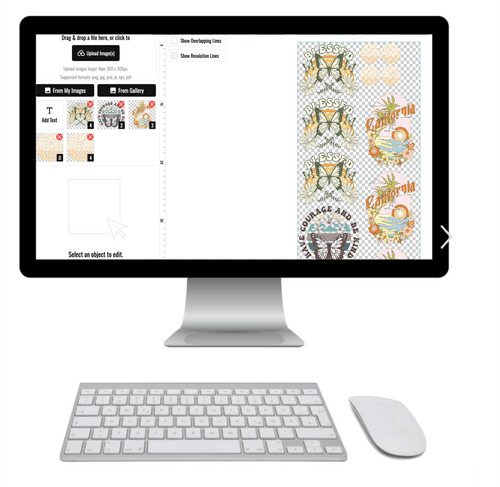
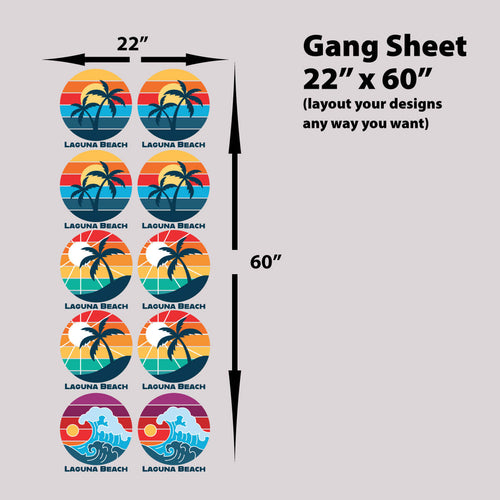
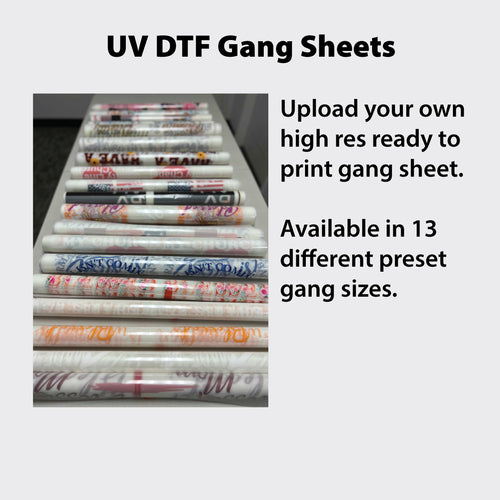
For shops and makers trying to control costs at the same time, a gang sheet workflow helps because it groups artwork efficiently instead of wasting printable space. The Auto-build gang sheet builder is useful for that. It simplifies layout and makes it easier to order transfers in a cost-effective format without manually arranging every design.
Matching the product to the job
Not every garment deserves the same promise. Casual fashion shirts, event merch, spirit wear, and promotional pieces often live easier lives than job-site apparel or heavily laundered team uniforms. A good shop says that out loud.
Use a simple decision filter:
- Casual apparel: DTF is usually a strong fit when the shirt will get normal home laundering.
- Mixed fabric orders: DTF is practical when you need one decoration method across several garment types.
- Hard-use uniforms: DTF can still work, but the buyer needs honest expectations about care and wash environment.
- Small and repeat orders: Ready-to-press transfers help keep output more consistent from run to run.
One mention is enough: Lion DTF Transfers offers custom transfers and gang sheet ordering, including an Auto-build gang sheet builder, which fits shops and small brands that want a simpler way to order press-ready DTF without laying out every sheet manually.
What actually builds confidence
Customers don't gain confidence from broad claims. They gain confidence when the printer can explain why one shirt lasted and another one failed. That's the core value of understanding DTF durability as a controllable system.
If you choose solid transfers, apply them carefully, and give the buyer realistic care instructions, DTF becomes a dependable decoration method instead of a gamble. That's the right way to answer the question, "Do DTF transfers last?" Yes, they do. But the result comes from discipline, not luck.
If you need press-ready custom transfers, gang sheets, or a faster way to organize multiple designs on one sheet, Lion DTF Transfers is worth a look. You can upload artwork, build gang sheets, and use the Auto-build gang sheet builder to save time and reduce waste while keeping your production workflow simple.